
Last updated November 22, 2026
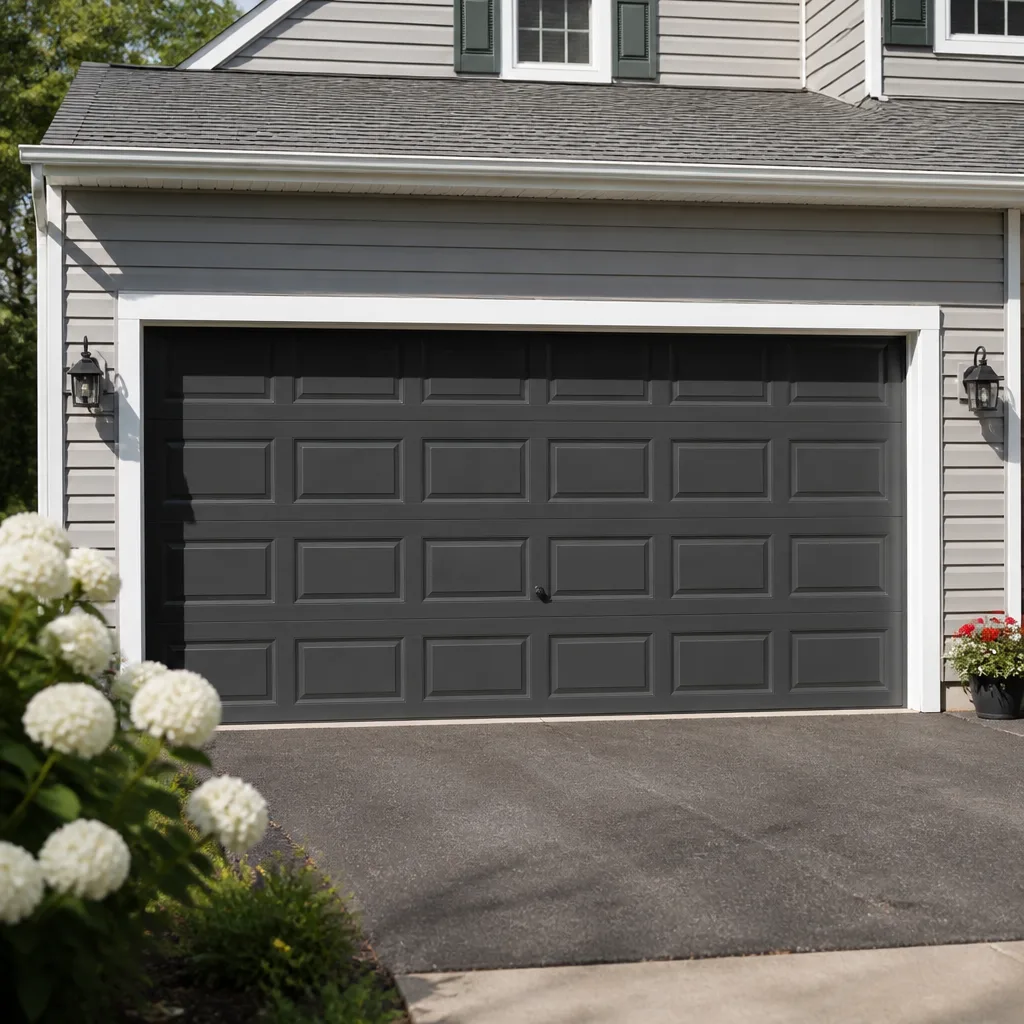 Raised-panel steel
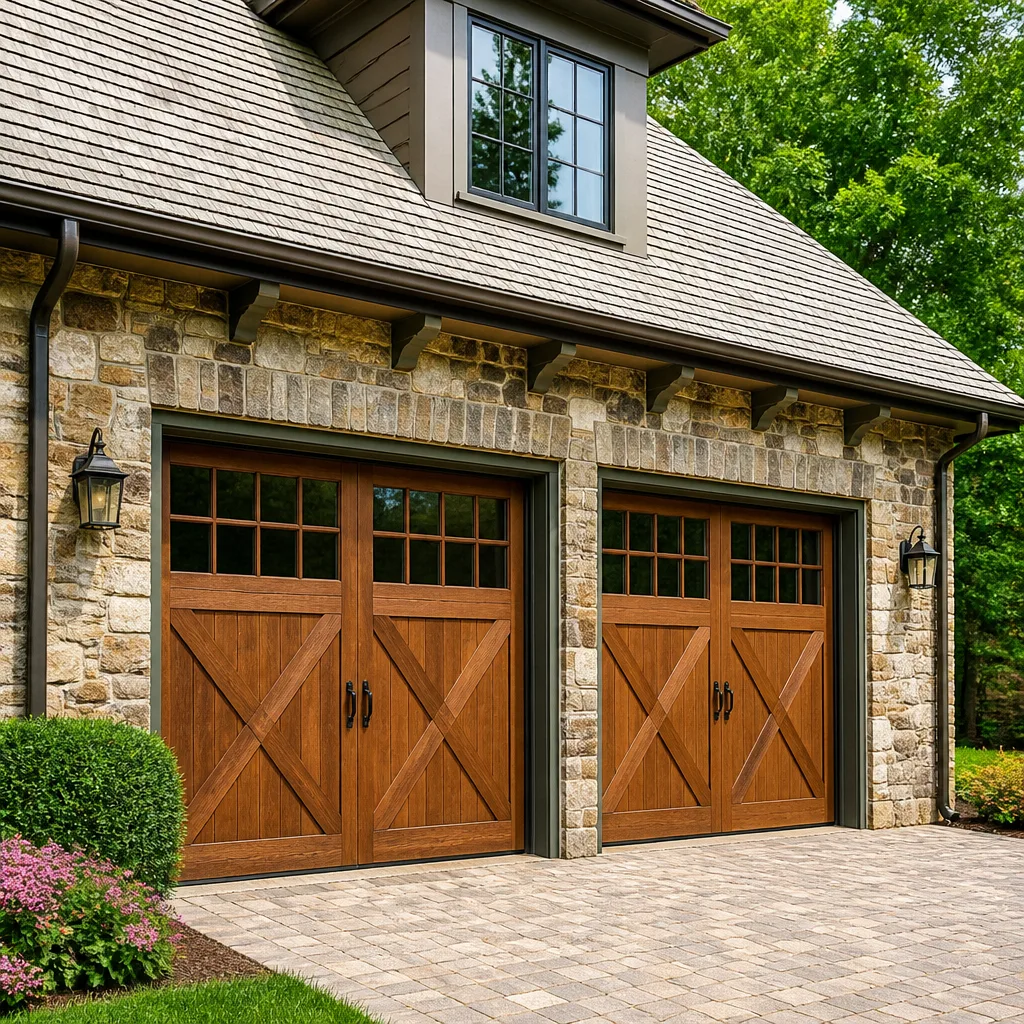 Carriage house
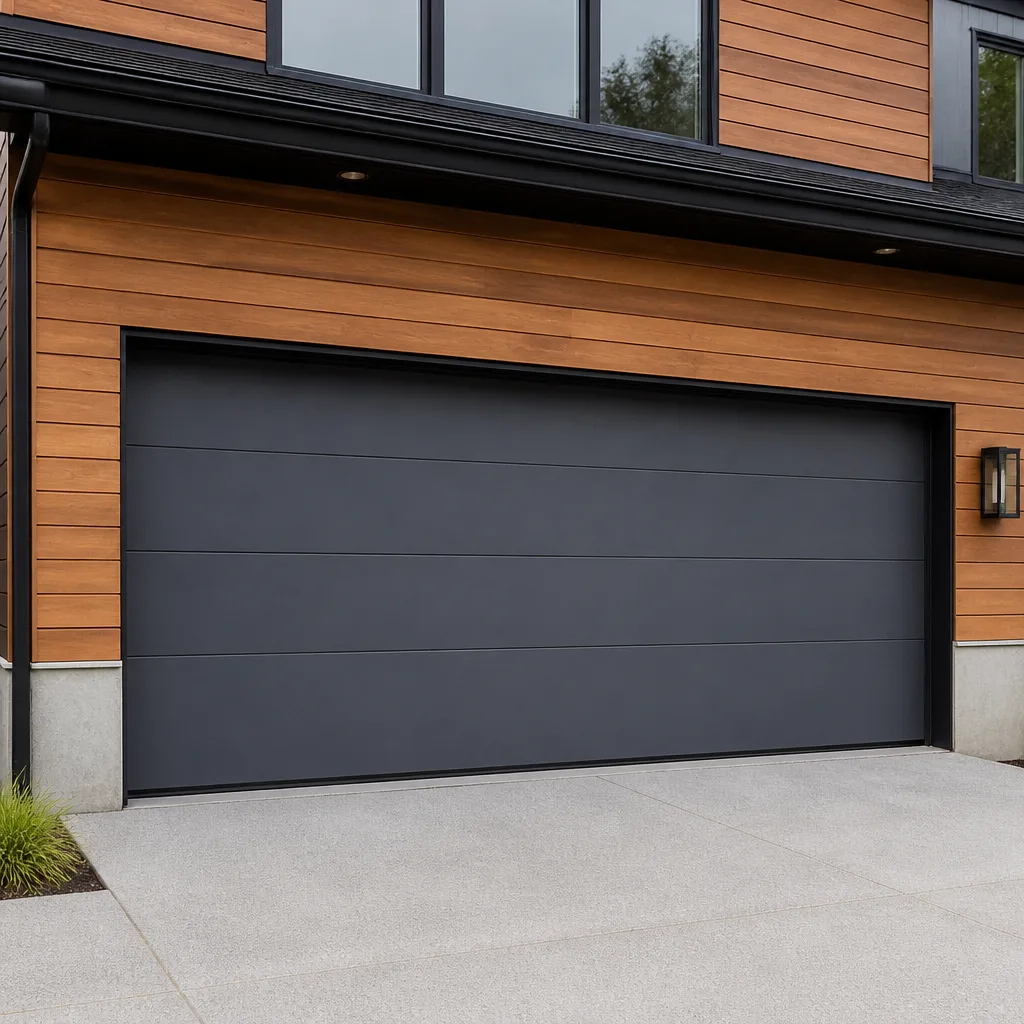 Modern flush
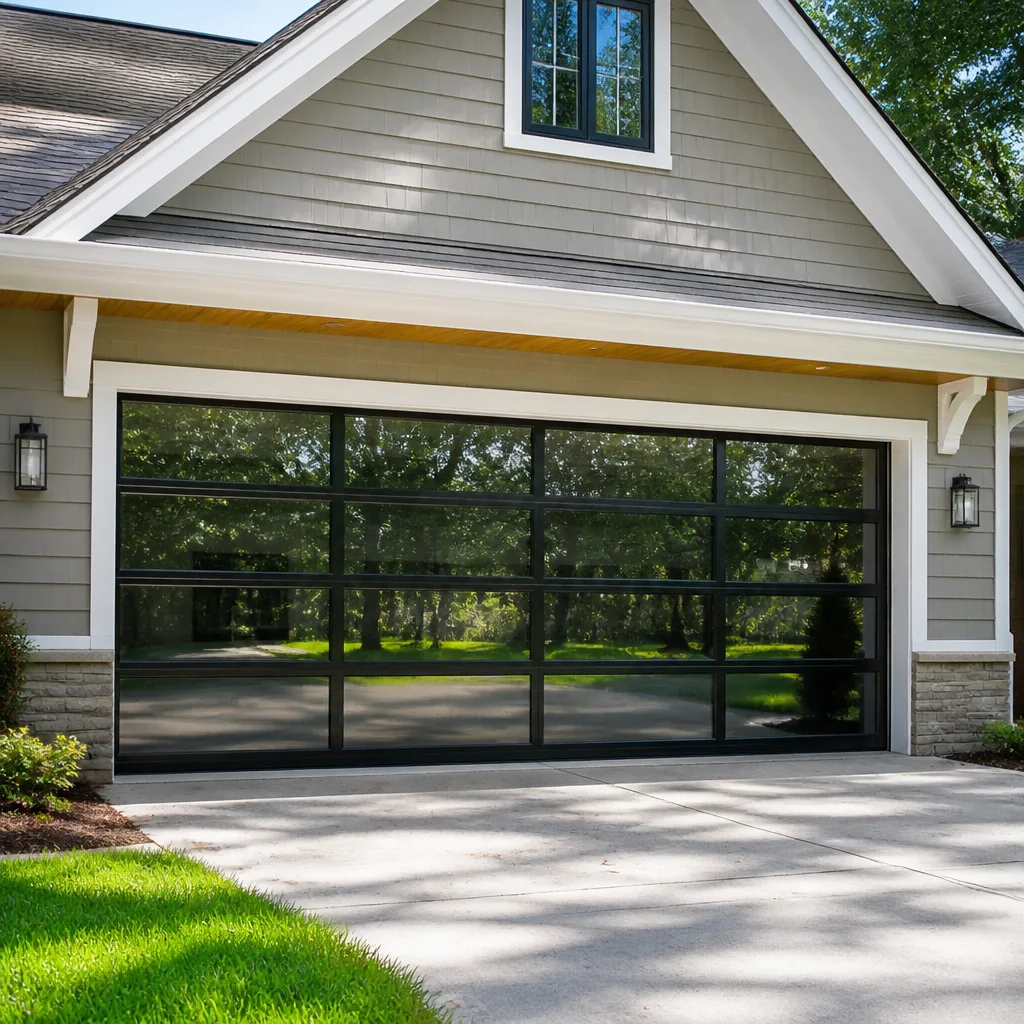 Full-view glass
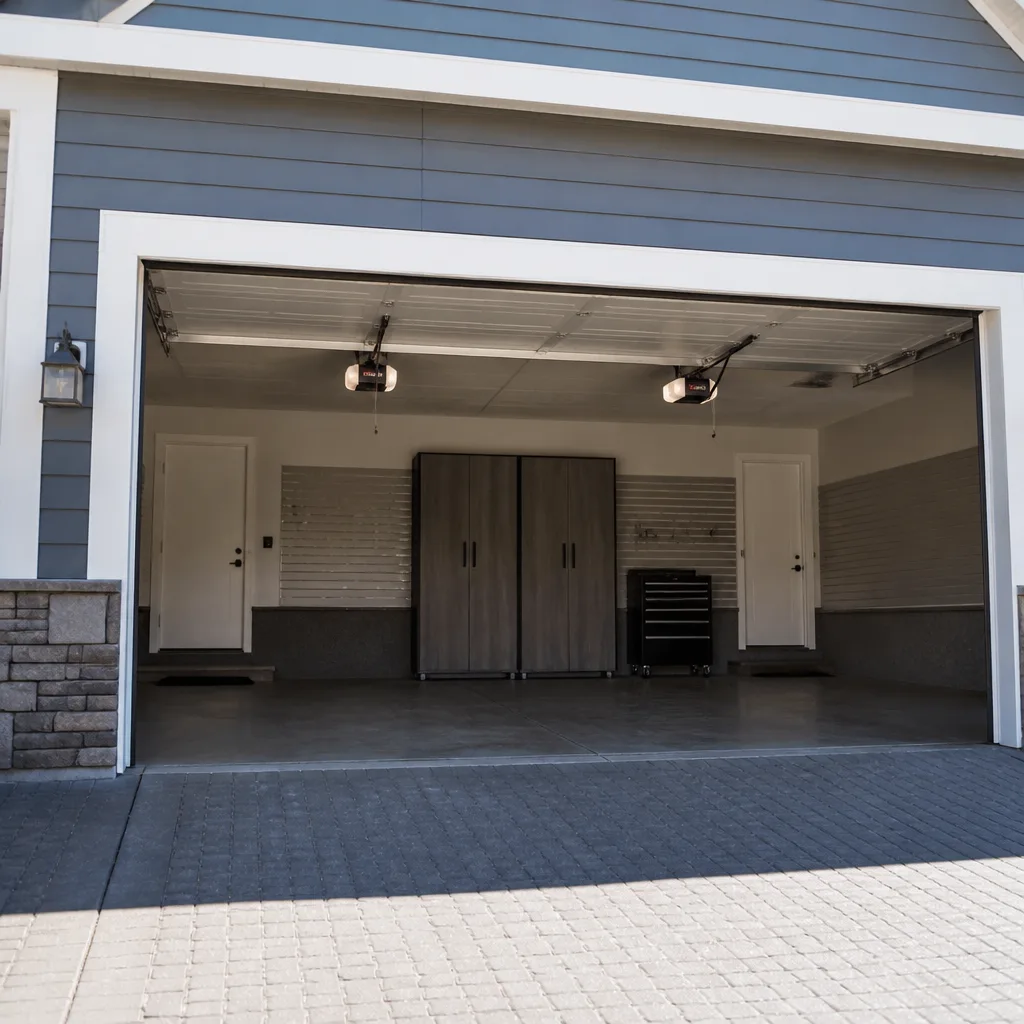 LiftMaster openers
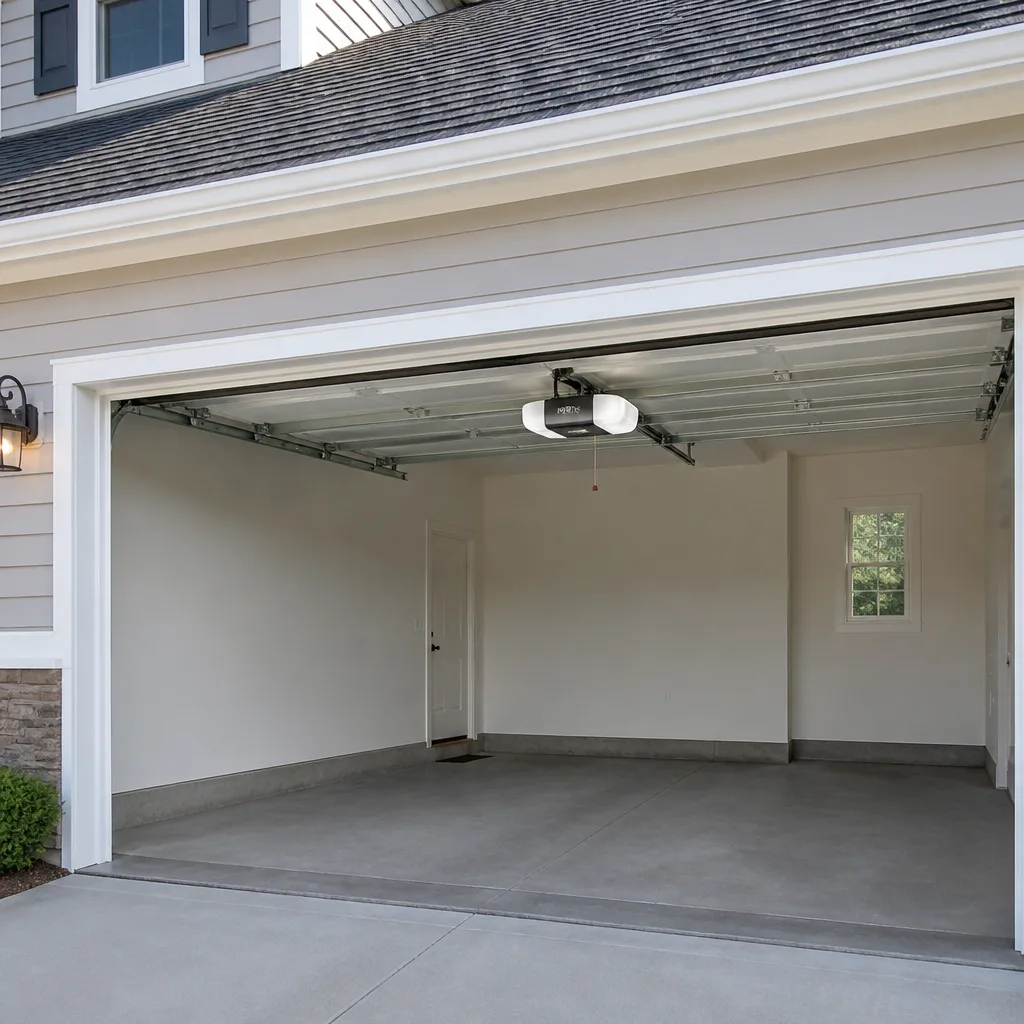 Chamberlain openers
Full 25-point door and opener safety check with every visit - springs, cables, rollers, tracks, and your LiftMaster or Chamberlain opener included
You get a price before we start. It does not change when the pro arrives.
Get your free estimateDIY vs Professional Garage Door: The Newark Homeowner’s Decision Guide
Most DIY-versus-pro debates frame the question as a skill test: are you handy enough? That’s the wrong lens for a garage door. The real dividing line is injury risk. A torsion spring under load stores enough energy to break a wrist or worse, and that single fact settles part of this debate no matter how capable you are with tools. But it doesn’t settle all of it. Plenty of garage door problems around Newark are genuinely fixable by a careful homeowner with basic tools and an hour to spare. Our goal here is to sort the jobs into categories you can actually act on: safe to do yourself, doable but risky, and hands-off. You’ll leave knowing which repair you’re facing, which tools you’ll need in Newark, and when a quote you’ve received should get a second look.
Quick Answer
You can safely handle cosmetic and light-adjustment jobs yourself: lubricating moving parts, cleaning and resealing weatherstripping, replacing remote batteries, and clearing obstructions from the safety sensors and tracks. You should never DIY torsion spring replacement, cable replacement, or any work on the door’s high-tension hardware – the stored energy makes these jobs genuinely dangerous, and a trained professional should handle them. Everything in the middle (sectional panel repair, roller or hinge replacement, minor bracket tightening) is judgment-dependent: risky enough that a mistake can turn a small job into an expensive one, safe enough that a confident, prepared homeowner can often handle it.
Styles & brands we work with
- Raised-panel steel
- Carriage house
- Modern flush
- Full-view glass
- LiftMaster openers
- Chamberlain openers
Table of Contents
- How to Diagnose the Problem Before You Decide
- Safe DIY Jobs Newark Homeowners Can Handle
- DIY With Risk: Where to Be Honest About Your Limits
- Never DIY: The Jobs That Change the Answer
- Tools and Part Sources for Newark Homeowners
- Delaware Liability When a DIY Repair Goes Wrong
- When to Get a Second Opinion on a Quote
- How Newark Weather and Housing Shape the Job
How to Diagnose the Problem Before You Decide
Misdiagnosis is what turns a five-minute DIY job into a callback. In our experience, the most common scene is a homeowner attempting to fix a symptom (a door that won’t close) by adjusting the wrong component, which damages the opener’s limit settings or strips a gear. Before touching anything, take five minutes to observe exactly what the door does and where the failure is happening.
Work through this sequence. It’s the same order a technician uses:
- Does the opener run but the door doesn’t move? Listen for the motor. If you hear it running but see no motion, you may have a snapped spring, a disconnected trolley, or a broken drive gear. A snapped spring is a professional job; a disconnected trolley can often be reattached.
- Does the door move unevenly, bind, or jerk? Uneven movement usually means a worn roller, a bent track, or a loose hinge. All three are inspectable from the ground.
- Does the door reverse immediately? A reversing door usually has an obstruction in the sensor path or a misaligned photo-eye. That’s almost always a DIY fix.
- Is the door noisy but functional? Noise is usually a lubrication or roller problem, not a spring failure. Confirm before assuming the worst.
- Is the door itself physically damaged? Dents, cracks, or bent panels change the job from adjustment to panel replacement, which shifts the risk category.
Write down what you observe. When you eventually call, this information shortens the diagnostic step, and it also helps you avoid paying for a professional visit when a five-minute adjustment is all that’s needed. In Newark, where many homes have attached garages opening into kitchens or utility rooms, a door that won’t close also has a security dimension that makes getting the diagnosis right the first time worth the patience.
Safe DIY Jobs Newark Homeowners Can Handle
These are the jobs that you can do with basic tools, common sense, and no serious injury risk. If you’re comfortable with a screwdriver and a can of lubricant, you can likely handle most of this list.
- Lubricating hinges, rollers, and the torsion bar bearing plate (not the spring itself). A silicone-based lubricant on the hinge pivots and roller stems quiets most noise complaints. Never spray lubricant on the torsion spring coils – it attracts grit.
- Cleaning and resealing weatherstripping. Bottom seals crack and shrink over time, especially after a Delaware winter with repeated freeze-thaw cycles. A new bottom seal slides into the retainer and takes minutes.
- Replacing remote and keypad batteries. The single most common “my opener is broken” call we get is a dead remote battery.
- Clearing obstructions from the photo-eye sensors. Spiderwebs, leaves, and the occasional stray tennis ball block the beam and cause the door to reverse. Wipe the lenses and realign them by eye.
- Tightening loose hinges and roller brackets. A socket wrench and five minutes can fix a rattling door.
- Adjusting the opener’s force and travel limits per the manufacturer’s manual. This is a normal homeowner task, and the manual for your LiftMaster, Chamberlain, or Craftsman unit has step-by-step instructions.
None of these jobs involves stored spring energy or high-tension cable. They’re the routine maintenance that keeps a door running smoothly, and taking them on is a legitimate way to avoid a service call. If you’re ever unsure which component is failing, the safer move is the diagnostic sequence above, not a gamble.
DIY With Risk: Where to Be Honest About Your Limits
The middle tier is where judgment matters most. These jobs aren’t inherently deadly, but a mistake can bend a track, damage the door panel, burn out the opener, or create a condition that makes the door unsafe to operate. A confident homeowner with the right tools often handles them fine. A homeowner guessing through them can spend more fixing the damage than a professional repair would have cost.
- Replacing rollers. The rollers themselves are removable with pliers, but the door must be raised to a safe working position and blocked. If you drop the door while it’s disconnected from the opener, injury is possible.
- Replacing hinges. Most hinges are straightforward; the end hinges that carry the cable are not, because the cable is under tension.
- Resealing or replacing a single damaged panel. Panel fitment varies by brand – an Amarr panel doesn’t mount the same way as a Wayne Dalton panel – and a mismatched panel can bind against the track.
- Straightening a mildly bent vertical track. Small bends can sometimes be corrected; anything more than a slight kink weakens the track and can cause the door to jump.
- Replacing a bottom seal with a non-standard retainer. The retainer profile varies by brand; a universal seal on the wrong retainer leaves gaps.
Our rule of thumb: if the job requires you to disconnect the door from the opener, raise it fully, and work underneath or beside a loaded component, you’ve crossed into territory where a helper, a second opinion, or a professional call is the smarter move. We’ve seen plenty of Newark homeowners save the cost of a service call on a roller swap and then spend twice that replacing a bent track. It’s a fair trade only when you’re sure.
Never DIY: The Jobs That Change the Answer
These are the jobs where the answer is not “call a pro if you’re not comfortable.” The answer is “call a pro, period.”
- Torsion spring replacement. A torsion spring stores enough mechanical energy to break a wrist, an arm, or worse if it releases unexpectedly. No amount of handiness changes that. If you hear a loud snap from the garage and the door won’t lift, assume the spring is broken and call. Our garage door spring repair service exists for exactly this scenario – it’s a core specialty, not an afterthought.
- Extension spring replacement. Same principle, different geometry. Extension springs stretch along the horizontal tracks and can whip free if they fail under load.
- Cable replacement. The lift cables are under the same tension as the springs; a slipped cable can slice through a hand.
- Bottom bracket and cable drum work. Both components are loaded whenever the door is down. Never loosen them.
- Replacing a torsion tube or center bearing plate. These hold the entire spring system. A mistake here can cause the whole assembly to fail.
- Any work on a door whose spring has already snapped. The door is now dead weight, often several hundred pounds. Do not attempt to raise it manually and do not try to “help” it up a few inches. Call.
If your door has failed this way, garage door repair is the right next step. A trained technician comes out, confirms the failure, and gets you back up and running with the spring replaced correctly and the door rebalanced. We answer 24/7, with fast dispatch from 7am to 7pm, Sunday through Friday. If a spring snaps on a Saturday, a call gets you booked into the next opening.
Tools and Part Sources for Newark Homeowners
If you’re going to attempt the safe and risky DIY jobs, acquire the right tools first. A garage door isn’t a furniture project – the wrong tool on a loaded component is a hazard, and the wrong part on a mismatched door is a callback.
For the safe and risky DIY jobs, you’ll typically need:
- A socket wrench set (standard sizes fit most residential hinges and brackets)
- A set of screwdrivers, including a #2 Phillips and a flathead
- A step ladder tall enough to reach the opener housing
- A silicone-based spray lubricant (not WD-40 for the actual pivot points; WD-40 is fine for loosening rusted bolts)
- Two C-clamps or locking pliers to hold a door in place while you work on hinges
- Work gloves and safety glasses
For parts, Newark homeowners have several reasonable sources. The big-box home improvement stores stock universal rollers, bottom seals, photo-eye sensor kits, and remote batteries. For brand-specific parts, you’ll do better with the manufacturer directly or a local garage door parts supplier – especially for LiftMaster, Chamberlain, and Genie opener components, where universal replacements often don’t play well with the original control board.
If the door is a Clopay, Amarr, or Wayne Dalton model, verify the panel or roller profile against the model number on the door before ordering. Brand compatibility is where most DIY panel jobs go sideways; what fits one door often won’t fit another. We work on eight of the most widely installed residential brands – LiftMaster, Chamberlain, Genie, Clopay, Amarr, Wayne Dalton, Craftsman, and Raynor – so if you’re stuck identifying a part, that’s a reasonable question to bring to a professional.
Delaware Liability When a DIY Repair Goes Wrong
This is the part most DIY guides skip, and it’s worth five minutes of your attention before you pick up a wrench. If your own DIY repair fails and causes property damage or injury, the consequences land on you in ways a professional repair doesn’t.
A few points to keep in mind for a Newark property:
- Your homeowner’s insurance may or may not cover a DIY-caused loss. Policies vary, and insurers increasingly look at whether a licensed professional was involved for structural or mechanical failures. If your policy excludes faulty workmanship or improper installation, a DIY failure that causes water intrusion or a damaged door could end up uncovered.
- If someone else is injured, liability follows the property. A door that drops on a guest, a delivery driver, or a family member after a DIY repair raises liability questions that a professionally installed and documented repair would not. Delaware premises liability doesn’t excuse a homeowner for a known-hazardous condition they created.
- Resale and disclosure. Delaware requires sellers to disclose known material defects. A DIY repair that fails after closing can turn into a dispute, and an undocumented repair is harder to defend than a documented professional one.
- Manufacturer warranty exposure. Many door and opener warranties exclude failures caused by improper installation or unauthorized repair. A DIY spring or cable job can void coverage that would have applied to a professional repair.
None of this is meant to scare you off the safe DIY list. It’s meant to be honest about the jobs where a professional repair, with a written estimate and a trained technician doing the work, is the more defensible choice if something goes wrong down the line. If a door has already been damaged by a DIY attempt, our garage door opener repair and door repair services can assess what’s recoverable and what needs replacing.
When to Get a Second Opinion on a Quote
Sometimes the DIY-versus-pro question isn’t about your skill at all. It’s about whether the quote you received matches the actual job. Contractors vary, and a quote that recommends full door replacement for a problem on the safe DIY list is worth a second look.
Consider a second opinion when:
- The recommended fix is on the safe DIY list. If a contractor tells you the door needs a full replacement for a reverse-on-close sensor issue or a single noisy hinge, ask why. A sensor realignment or hinge replacement doesn’t require a new door.
- The quote doesn’t separate parts from labor. A written estimate should show the part cost and the labor, or a single per-job price with a clear scope. A verbal range with no itemization is hard to compare.
- The diagnosis doesn’t match what you observed. If you described a door that reverses immediately and the quote focuses on spring replacement, the diagnostic sequence wasn’t followed.
- The scope grows once the technician arrives. A written estimate that changes without your approval mid-job is a red flag. Our standard is that the price is quoted and agreed before any work starts; if a second issue surfaces, that gets priced separately and approved before we touch it.
- You’re being pushed toward an upgrade you didn’t ask for. A functioning door with one failed component should get a repair quote, not a replacement quote. If you want a replacement, that’s a different conversation, and it’s fair to shop it on its own terms.
- The brand mentioned doesn’t match your door. If your door is a Raynor and the quote reads like a Clopay job, ask about compatibility. Different brands have different spring sizes, panel profiles, and hinge configurations.
A second opinion is free from us. Call (888) 561-7809 and describe what the door is doing. We answer 24/7, and if the issue is urgent, fast dispatch from 7am to 7pm, Sunday through Friday, gets a trained technician to your door the same day in most cases. If the quote you received was fair, we’ll tell you that too.
How Newark Weather and Housing Shape the Job
The generic garage door advice you find online doesn’t fully translate to Newark. Delaware’s climate brings repeated freeze-thaw cycles through the winter, humid summers, and the occasional heavy storm, and each of those stresses the door differently.
- Freeze-thaw cycles fatigue springs and seals. Repeated expansion and contraction is hard on the coil steel in springs and the rubber in bottom seals. A stretched seal that leaks at the bottom is a common Newark issue after a hard winter, and a spring that’s been through several seasons is more likely to fail.
- Summer humidity stresses wooden and composite doors. Wooden doors and some composite panels absorb moisture and swell over the summer, which can bind against the track. If your door only sticks in July and August, the fix is often a track adjustment, not a new door.
- Summer storms bring debris to sensor paths. Wind-blown leaves and grit collect around photo-eyes. If your door stops closing after a summer storm, check the sensors before assuming anything else.
- Attached garages dominate Newark housing stock. Many Newark homes open a garage directly into the kitchen or a utility room. A door that won’t close has a security dimension in that layout, which is why getting it fixed correctly the first time matters more here than in a detached-garage setup.
- Older doors and openers are worth a close look. If your door is a Craftsman or a Genie unit from an older install, parts may still be available but often not in universal sizes. That’s where brand-specific knowledge pays off – see Newark Garage Door Repair Pros for the range we cover.
None of these factors change the safety answer for springs and cables. They do change which DIY jobs are worth attempting for a Newark homeowner and which are better handed off. A seal replacement on a humid summer’s day is a kitchen-table job; a spring replacement after a hard winter freeze is a call.
Common Mistakes to Avoid
- Assuming a noisy door means a broken spring. Noise is usually a lubrication or roller issue. Check the operating condition first; if the door still lifts and holds in the raised position, the spring is probably intact.
- Working under a raised door that hasn’t been locked into place. A door raised to shoulder height and left to rest on the opener’s trolley can drop if the trolley releases. Always use C-clamps or locking pliers on the track, not the opener, to hold a door in place.
- Replacing one spring when both should go. A matched pair of spring sets usually wears at the same rate. Replacing one and leaving the other often means a second failure soon after. Ask for a matched pair on a two-spring door.
- Spraying lubricant on the torsion spring coils. It attracts grit and degrades the coil. Lubricate the hinge pivots and roller stems instead.
- Adjusting the opener’s force setting to compensate for a binding door. A binding door needs to be fixed at the door, not at the opener. Raising the force setting is how opener gears and limit switches get damaged.
- Ordering brand-agnostic parts for a brand-specific door. An Amarr panel won’t drop into a Raynor track, and a universal roller often doesn’t fit a Wayne Dalton hinge. Confirm the door’s model number before ordering anything.
- Ignoring the door for years and then attempting a DIY overhaul in a single afternoon. A neglected door needs the tension checked before anything else, and that’s the one job that shouldn’t be a DIY project. Confirm the spring condition first.
See the difference
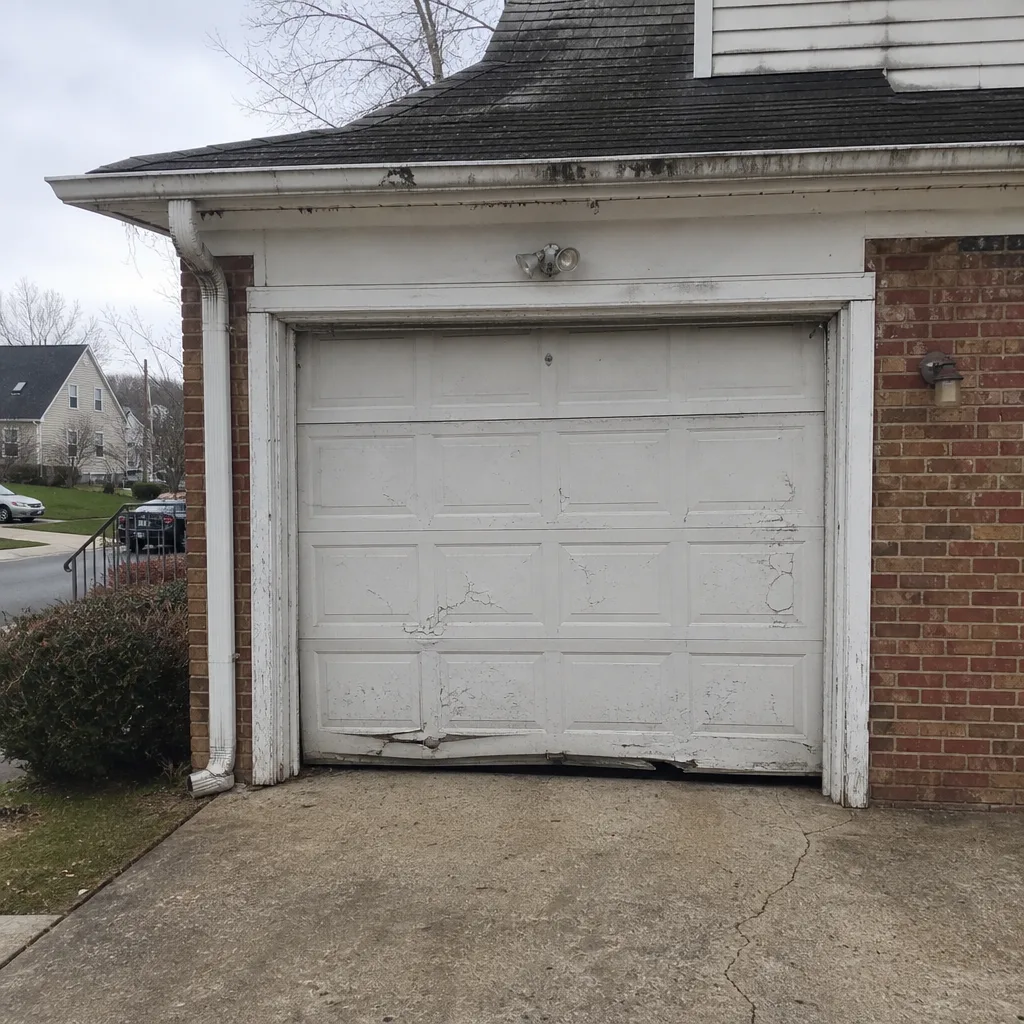 Before
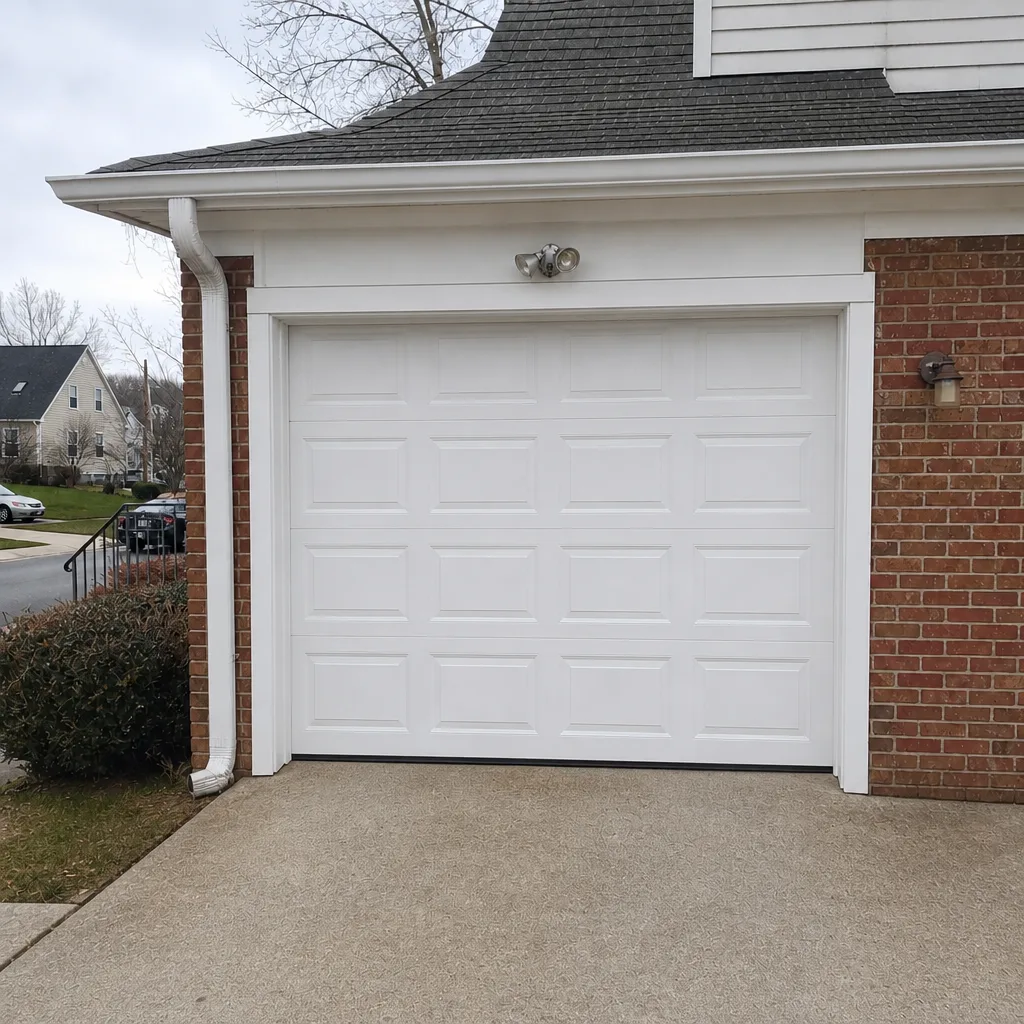 After
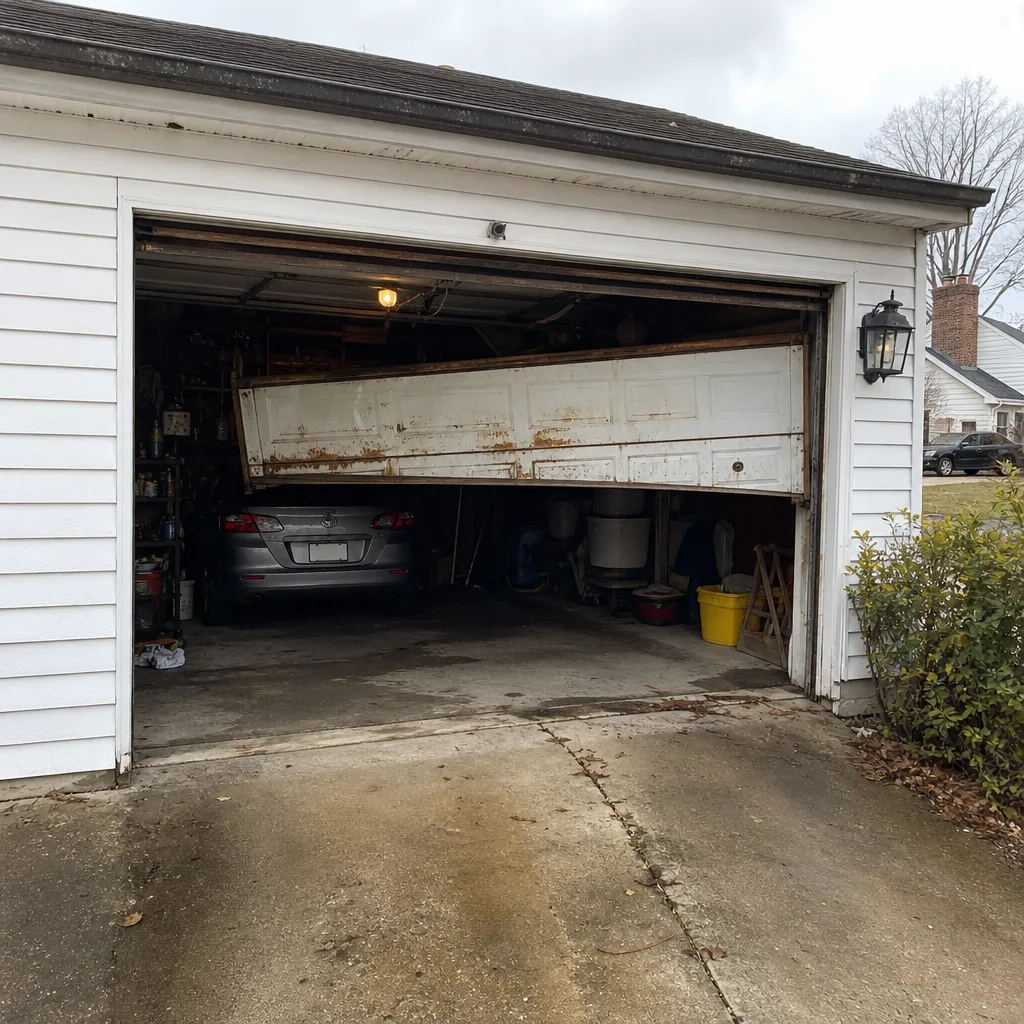 Before
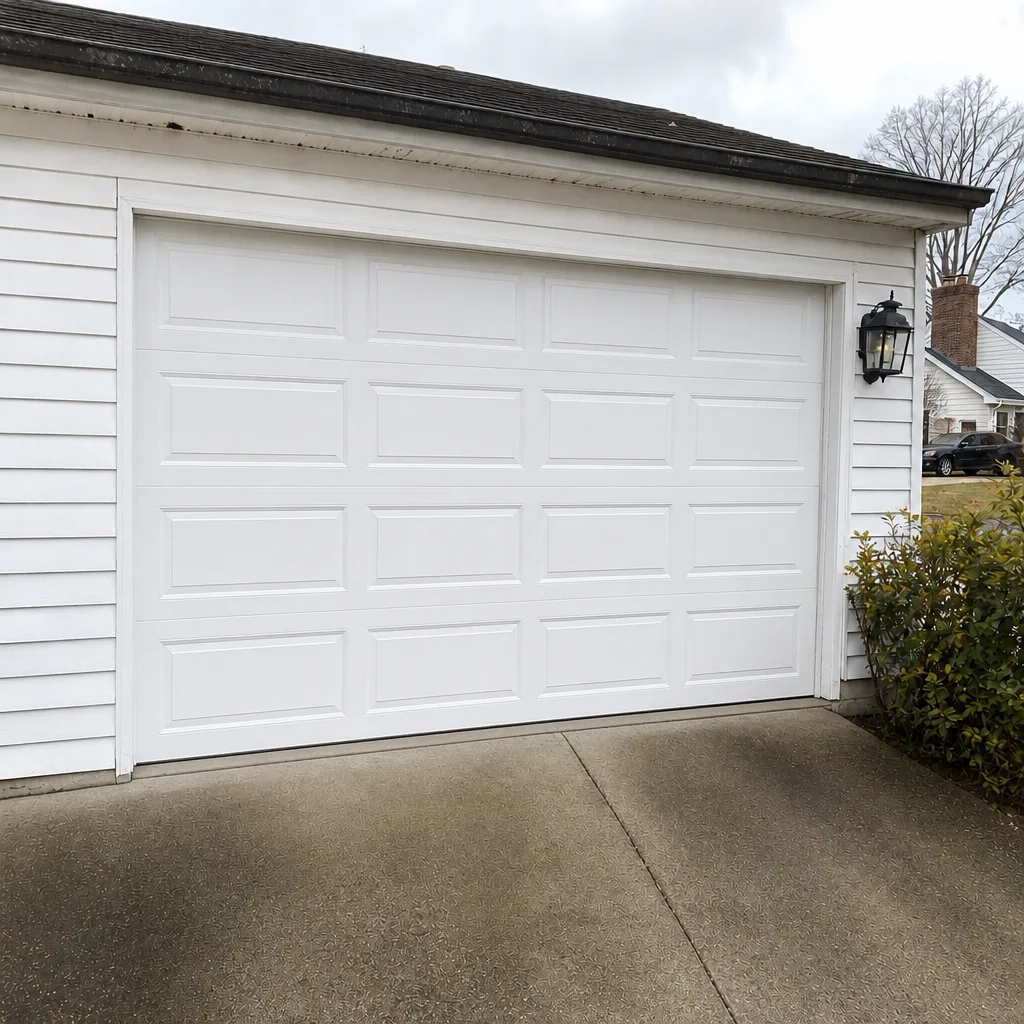 After
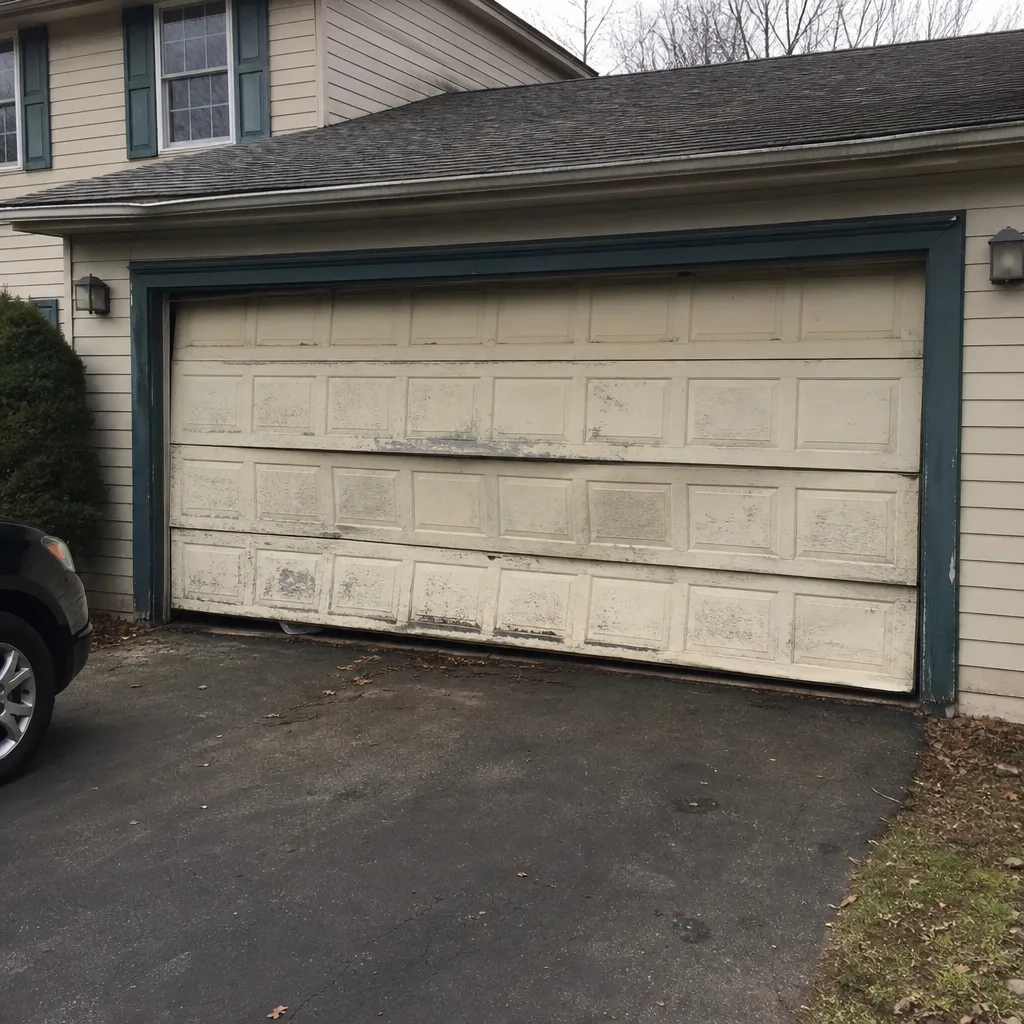 Before
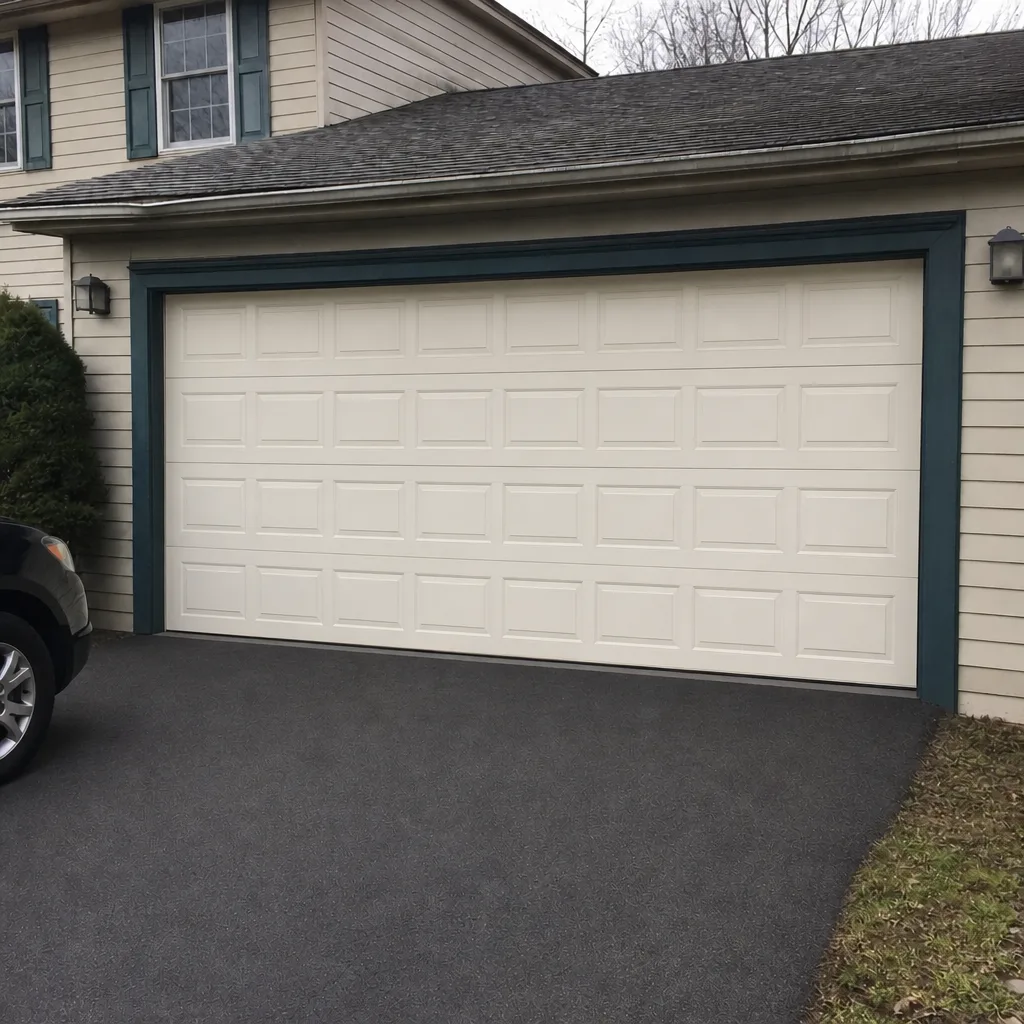 After
When to Call a Professional
Call a professional if the failure involves a spring, cable, bottom bracket, torsion tube, or center bearing plate. Call if the door won’t lift at all or if it’s left the tracks. Call if a reversing or binding issue keeps returning after you’ve tried the safe DIY fixes. Call if the door is noisy in a way that’s new and getting worse. Call if a quote you’ve received seems out of proportion to the symptom (get a second opinion). And call if you’re simply not sure what’s wrong – a free estimate is often cheaper than a DIY guess that goes wrong.
Newark Garage Door Repair Pros offers free estimates in Newark – call (888) 561-7809. We answer 24/7, with fast dispatch from 7am to 7pm, Sunday through Friday. Our technicians have up to 10 years of experience and work on eight of the most widely installed residential brands. The written estimate is agreed before any work starts, so there’s no surprise invoice at the end.
Frequently Asked Questions
No. A torsion spring stores enough energy to cause serious injury if it releases unexpectedly, and no amount of handiness changes that. It’s the one job we’d tell any Newark homeowner to hand off, regardless of how capable they are with tools. Call (888) 561-7809 for a free estimate on spring replacement; the written price is agreed before any work starts.
The safe DIY list covers lubricating hinges and roller stems, cleaning and resealing weatherstripping, replacing remote and keypad batteries, clearing the photo-eye sensors, tightening loose hinges, and adjusting the opener’s force and travel limits per the manufacturer’s manual. None of those involve loaded spring or cable energy, and all are worth attempting before calling.
Coverage varies, and many policies exclude faulty workmanship or improper installation, so a DIY-caused loss may not be covered. For a Newark property, a failed DIY repair that damages the door or causes water intrusion can also lead to disputes at resale because Delaware requires disclosure of known defects. If the job involves springs or cables, the professional route is the more defensible one.
Not usually. A door that reverses immediately on contact is almost always a photo-eye sensor or travel limit issue, both of which are safe DIY fixes. Clean the sensor lenses, check for obstructions, and confirm the sensors are aligned. If the issue keeps returning after that, call for a free estimate and a trained technician can confirm whether the door or the opener is the cause.
Pricing is per job by written estimate, so the specific number depends on the failure and the part. What we can promise is that the price is quoted and agreed before any work starts, and that estimates are free. Call (888) 561-7809 and describe what the door is doing – we can often narrow down the range over the phone and confirm it at the written estimate.
We work on eight of the most widely installed residential brands: LiftMaster, Chamberlain, Genie, Clopay, Amarr, Wayne Dalton, Craftsman, and Raynor. If your door or opener is one of those, the parts and settings are familiar, which shortens diagnostic time. Call (888) 561-7809 to confirm before booking; estimates are free.
The Bottom Line
The DIY-versus-pro decision for garage door work isn’t about whether you’re handy. It’s about which tasks involve a real injury risk that no amount of skill eliminates. Springs, cables, bottom brackets, and torsion tubes are always a professional job – full stop. Lubrication, weatherstripping, remote batteries, sensor cleaning, and hinge tightening are safe for most Newark homeowners and worth doing yourself. The middle tier – rollers, hinges, panels, tracks – is judgment-dependent and safer with a second opinion. When a quote seems out of proportion to the symptom, get a second look. One call covers it, and the written estimate sets the price before any work starts.
If the diagnosis points to a spring, a cable, or anything beyond the safe DIY list, call (888) 561-7809. We answer 24/7, with fast dispatch from 7am to 7pm, Sunday through Friday. Newark Garage Door Repair Pros provides free estimates and carries the full range of services – repair, spring repair, opener repair, and full installation – so you’re not coordinating a second contractor for the next issue that comes up.
Written by the team at Newark Garage Door Repair Pros.