
Last updated November 22, 2026
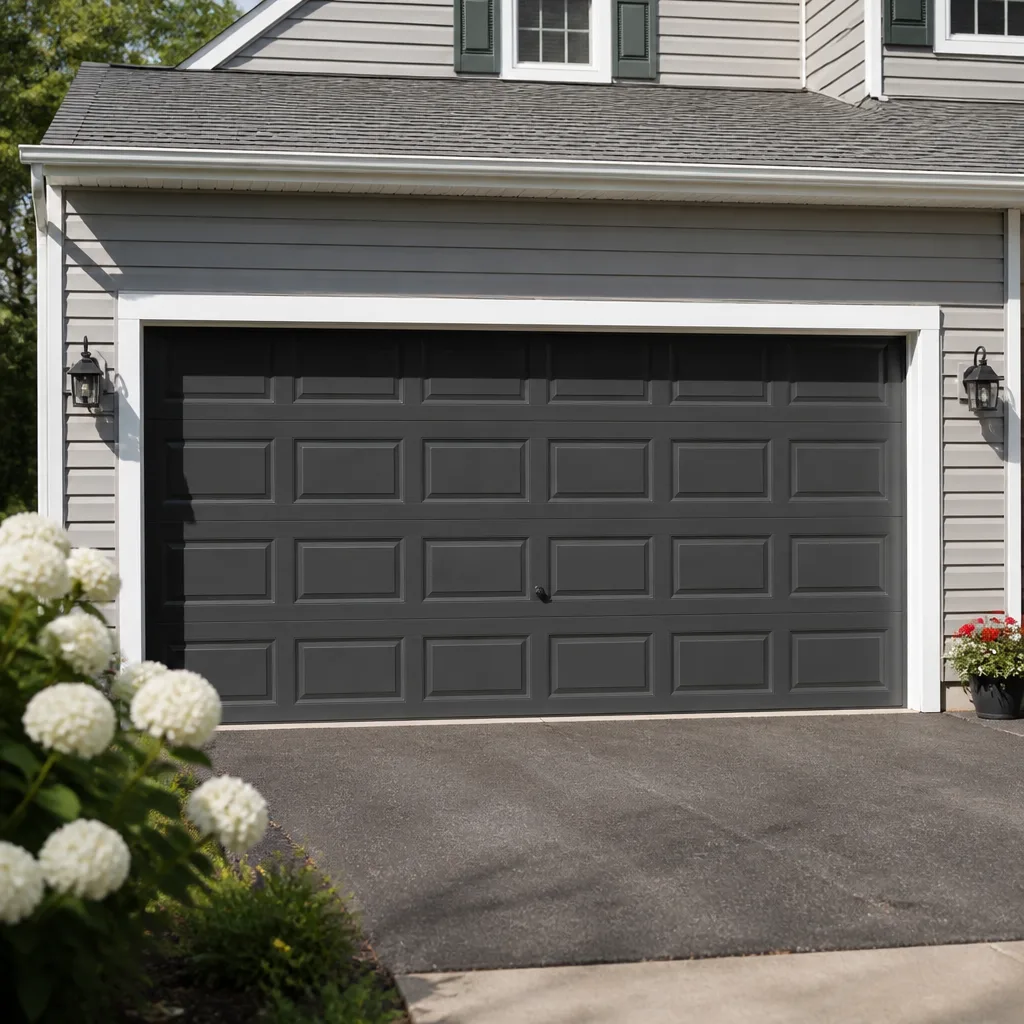 Raised-panel steel
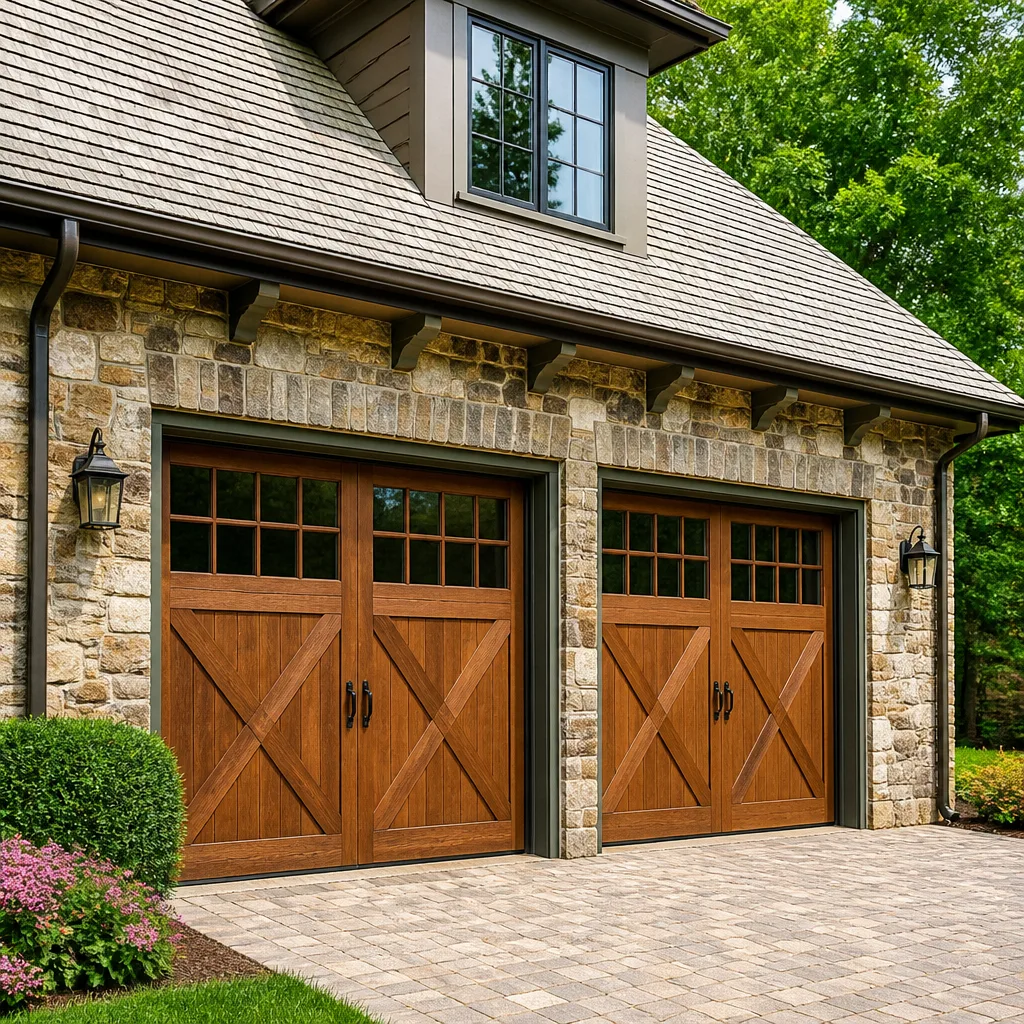 Carriage house
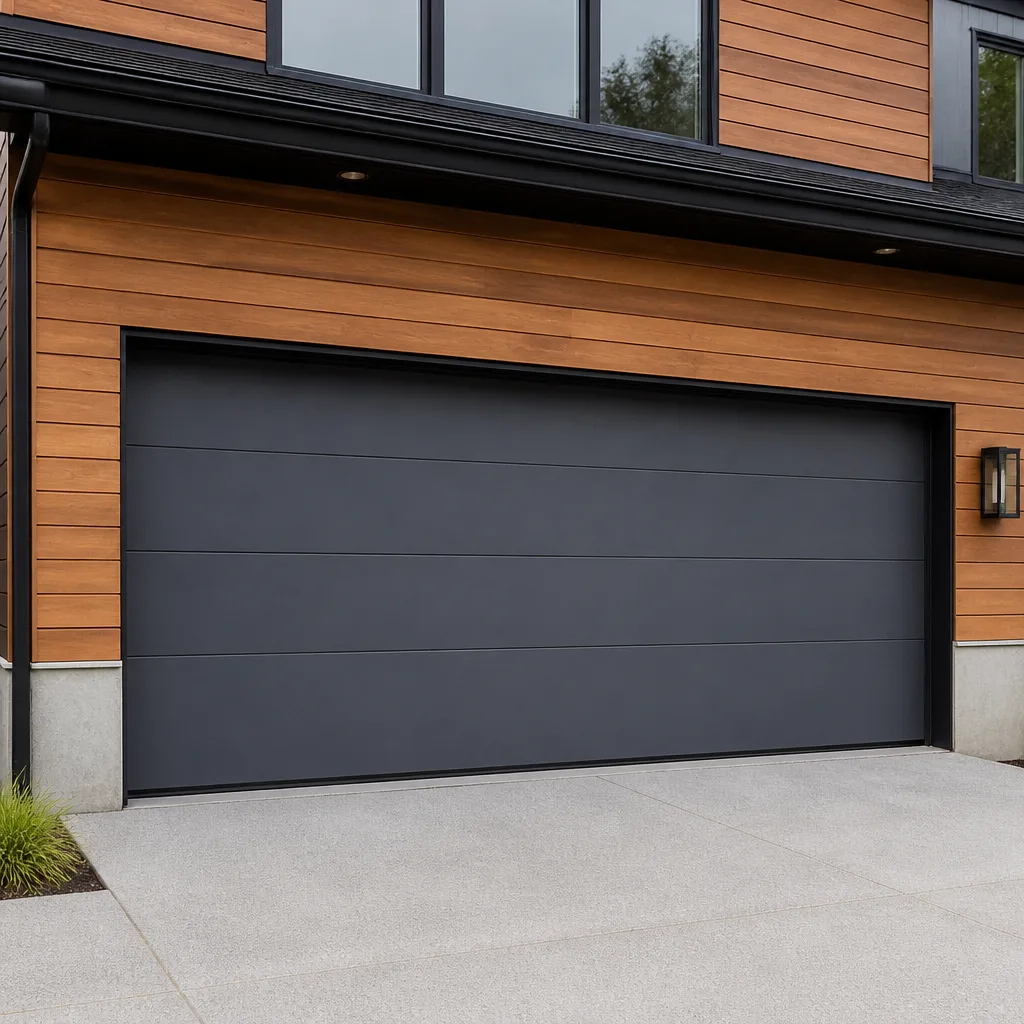 Modern flush
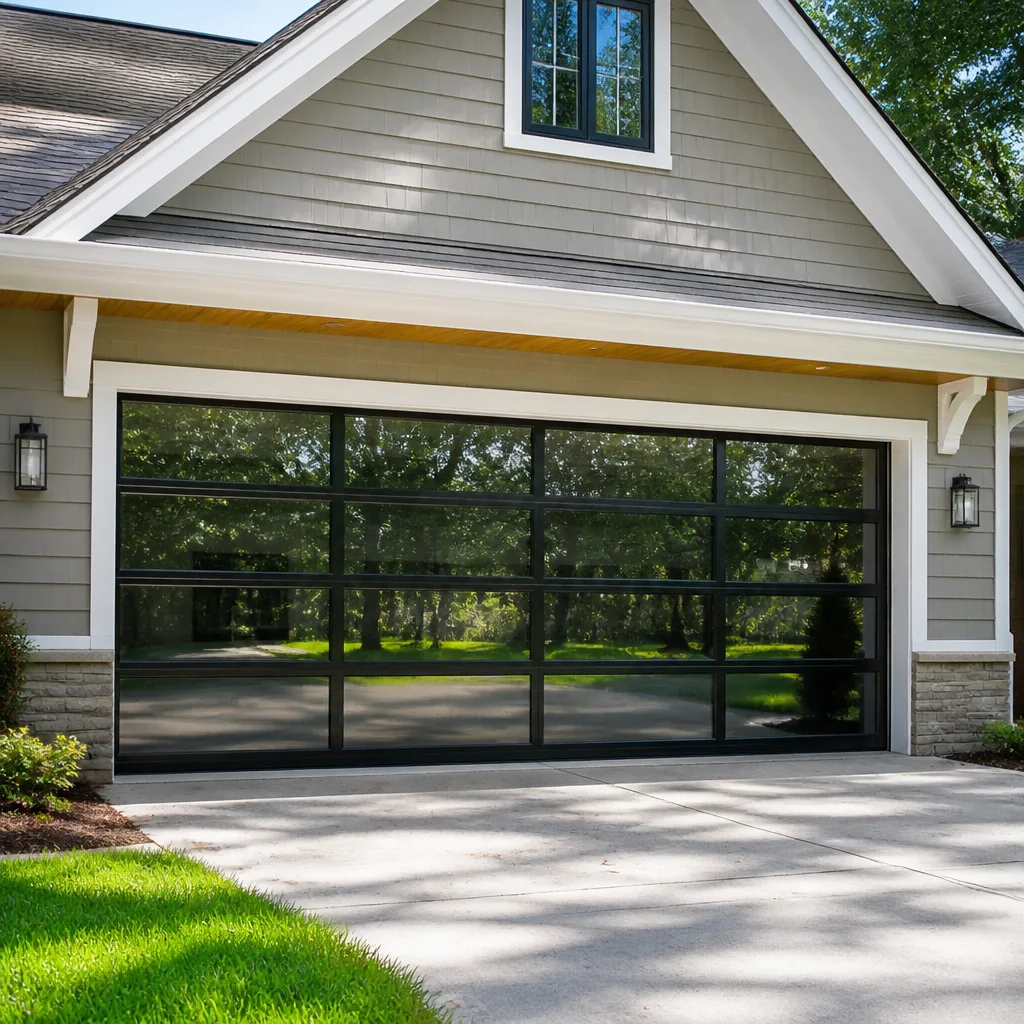 Full-view glass
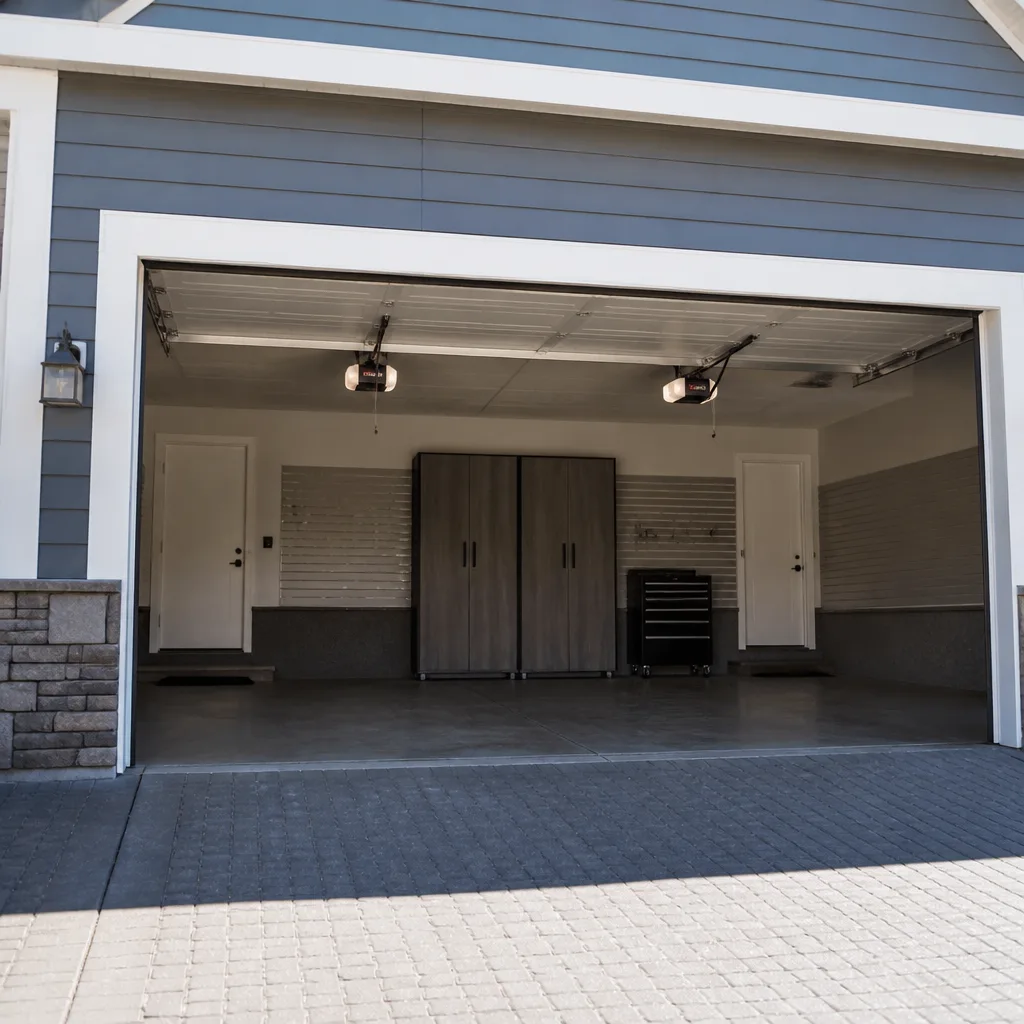 LiftMaster openers
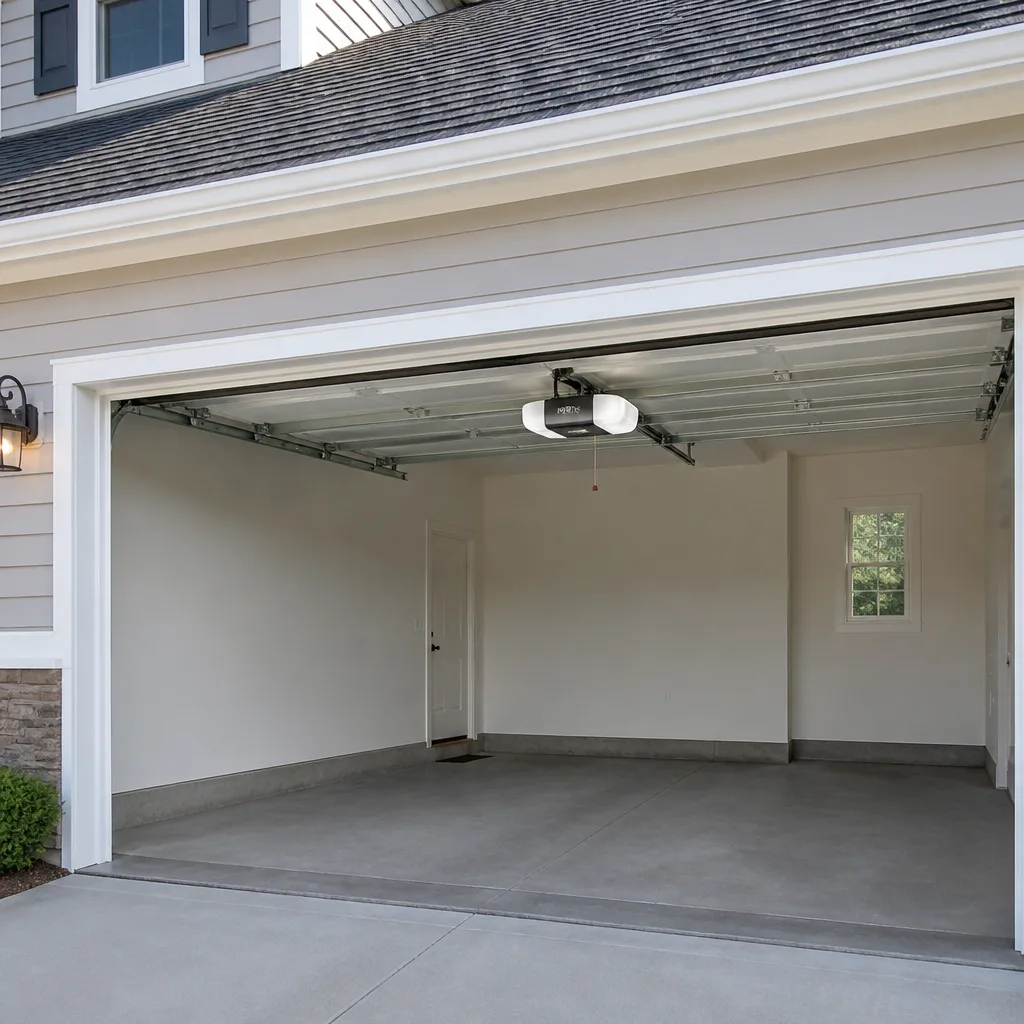 Chamberlain openers
Full 25-point door and opener safety check with every visit - springs, cables, rollers, tracks, and your LiftMaster or Chamberlain opener included
You get a price before we start. It does not change when the pro arrives.
Get your free estimateGarage Door Cost Breakdown: The Newark Homeowner’s Reference for 2026
Most homeowners assume the bill is driven by parts. In our experience across Newark, it usually isn’t. Steel and labor carry most of the movement in a 2026 garage door invoice, while the components that fail most often – springs, cables, rollers, seals – stay relatively modest line items. That gap between what people fear and what actually costs money is where estimates get padded. This reference walks through typical Newark-area price ranges for the five most common repairs, full door replacement by material and insulation, which add-ons earn their keep in a Delaware climate, how to read an estimate line by line, and the math on repairing a ten-year-old door versus replacing it. Read it before you sign anything.
Quick Answer
Garage door repair in Newark, DE typically runs from about $95 for a simple tune-up or weatherstripping job up to $650 or more for a panel replacement or heavy opener work, with spring and cable repairs falling in the $180-$450 range depending on what’s replaced. A full new door installation generally lands between $900 and $3,500 depending on material, insulation and size, with installation labor making up a meaningful share of that. Every number here is an estimate; the written quote you receive after the door is measured is the price you pay, agreed before any work starts.
Styles & brands we work with
- Raised-panel steel
- Carriage house
- Modern flush
- Full-view glass
- LiftMaster openers
- Chamberlain openers
Table of Contents
- Why Newark Garage Door Prices Moved in 2026
- Typical Costs for the Five Most Common Repairs
- What a New Door Costs in Newark, by Material and Insulation
- Which Add-Ons Are Worth It in a Newark Climate
- How to Read a Garage Door Estimate Line by Line
- Repair a 10-Year-Old Door or Replace It? The Break-Even Math
- Brand Matters: What Compatibility Does to Your Bill
- Common Mistakes to Avoid
- Frequently Asked Questions
Why Newark Garage Door Prices Moved in 2026
The parts you actually call about – springs, cables, hinges, rollers, seals – are not where the biggest cost swings come from. The two lines that have shifted most are steel and labor. Steel pricing affects full door replacement far more than a repair, which is why a new door quote in Newark today reads differently than one from a few years ago while a spring swap has stayed comparatively stable.
There’s a second pressure that gets less attention: the smart opener add-on market. WiFi modules, battery backups, app integration and camera-equipped openers are heavily marketed and often pushed into quotes where the homeowner never asked for them. They’re real products with real value in some homes, but they’re also the easiest place for an estimate to grow without the underlying problem being addressed. A door that won’t open because a spring snapped does not need a new smart opener. It needs a spring.
What that means for you in Newark: separate the invoice into three buckets before you compare quotes.
- The failure itself – what actually broke and must be replaced to restore safe operation.
- Wear items found along the way – rollers, cables, seals that are genuinely near end of life.
- Upgrades – insulation, opener features, decorative hardware. Optional, and worth weighing on their own merits.
A quote that keeps those three separate is easier to trust than a lump sum. If a contractor won’t break it down, ask them to. Any reputable shop will.
Typical Costs for the Five Most Common Repairs
These are the jobs we handle most in Newark, with estimated price ranges homeowners should expect in the local market. Treat them as a planning tool, not a firm quote – door size, brand and access all move the final number.
| Repair | Estimated Range | What’s Usually Included |
|---|---|---|
| Spring replacement (one torsion spring) | $180-$340 | One spring, labor, tension reset, safety check |
| Matched spring pair | $340-$650 | Two springs replaced together, labor, balance check |
| Cable replacement | $150-$300 | Cable, drum inspection, re-tension, safety inspection |
| Panel replacement (single section) | $250-$650 | Panel, color match, labor, hinge and roller refit |
| Opener repair or replacement | $150-$600+ | Diagnostic, part or unit, remounting, calibration |
| Weatherstripping / bottom seal | $95-$250 | New seal, threshold adjustment, track check |
Two things to note about that table. First, springs are quoted per spring. A matched pair is normally replaced together because springs of the same age fail close together, so the pair costs roughly double. Second, opener work is a wide range because repairing a Chamberlain or Genie unit is very different from replacing it, and the brand affects both parts availability and diagnostic time.
For spring and cable work specifically, our garage door spring repair service exists because these are the two failure points most likely to cause serious injury. We’ll cover the safety side below. For door-wide issues that aren’t springs or cables, our general garage door repair covers panels, tracks, hinges, rollers and alignment.
Why spring and cable quotes vary so much
Springs are rated by cycle life, and a higher-cycle spring costs more up front but lasts longer. Two quotes for the “same” spring can differ because the springs themselves are different grades. Ask what cycle rating the quote uses. Cables vary less, but the drum and bracket condition matters – a worn drum that isn’t addressed will chew a new cable quickly.
What a New Door Costs in Newark, by Material and Insulation
Full replacement is a different purchase from repair, and the number is driven by three things: material, insulation rating, and installation labor. Installation labor in Newark is a meaningful share of the total because a proper install involves removing the old door, verifying the opening is square, setting new track, balancing the door, and calibrating the opener to it.
| Door Type | Estimated Range (installed) | Notes |
|---|---|---|
| Single-car steel, uninsulated | $900-$1,600 | Basic, lighter, noisier |
| Single-car steel, insulated | $1,300-$2,200 | Quieter, better temperature control |
| Double-car steel, insulated | $1,800-$3,200 | Most common family-home choice |
| Wood or wood-composite | $2,500-$4,500+ | Finish and maintenance matter long term |
| Premium insulated (Clopay, Amarr ranges) | $2,800-$5,500+ | Higher R-value, tighter sealing |
Those ranges are estimates, not fixed prices. The written quote after measurement sets the final number, and it should be agreed before any work starts.
Installation labor in Newark
Labor for a full replacement typically accounts for 30-40% of the installed price. It covers tear-out of the old door, disposal, new track and hardware, spring installation, and opener recalibration. On doors that have been in the same opening for many years, expect additional time for frame repair or track alignment if the opening has shifted.
Note that replacement is measured, ordered and scheduled work – not a same-day call. That’s true of any reputable garage door installation in Newark. If a contractor promises same-day installation on a new door, that’s a red flag, not a feature.
Which Add-Ons Are Worth It in a Newark Climate vs. Which Pad the Bill
Newark sits in a mid-Atlantic climate with real humidity swings, a genuine heating season, and a cooling season that stresses door seals. That profile tells you which upgrades earn their cost.
Worth considering
- Insulation. An insulated door helps if the garage is attached and shares a wall or ceiling with living space. It reduces heat transfer, dampens noise, and stiffens the panel against wind flex. For detached garages used for storage, the value drops sharply.
- Bottom seal upgrade. A quality bottom seal keeps out water, leaves, and the small wildlife that finds its way into Newark garages. It also reduces airflow into an attached home, which matters when the garage faces prevailing weather.
- Proper spring cycle rating. Not marketed as an upgrade, but effectively is one. Higher-cycle springs cost more and fail less often.
Usually margin builders
- WiFi or app modules on a door you barely automate. Useful for some households, pure add-on for most.
- Battery backup if the opener already has one or the door has a manual release. Verify what you actually own before paying for a duplicate.
- Decorative hardware on a standard steel door. Cosmetic, and priced accordingly.
None of these are bad. The question is whether they solve a problem you have or a sales target the contractor doesn’t want to miss.
How to Read a Garage Door Estimate Line by Line
An estimate should read like a checklist, not a paragraph. Here’s how to work through one before you approve it.
- Find the failure. The first line should name what broke and why the fix is what it is. If it says “repair door” without specifics, ask.
- Separate parts from labor. Both should be itemized. A single lump line hides markups.
- Check parts against brand. Spring, roller and opener parts differ across Clopay, Amarr, Chamberlain and Genie equipment. A quote should reference the actual equipment on your door.
- Look for duplicate charges. Diagnostic fee plus “inspection” plus “safety check” can be the same charge listed three ways.
- Confirm spring quantity. One spring or two? The price per spring should be clear.
- Note what’s optional. Upgrades should be marked as optional and priced separately from the repair.
- Check the total against the ranges above. If it’s dramatically higher, ask why in writing.
Inflated parts markups are the most common line-item problem we see. A spring listed at three or four times typical parts cost is a markup, not a higher-grade part, unless the quote names the cycle rating and justifies it. When you call around Newark for a second opinion, you’re not being difficult – you’re doing what a careful homeowner should.
Repair a 10-Year-Old Door or Replace It? The Break-Even Math
A door around ten years old is usually at the decision point. It’s working, but components are wearing. Here’s how to think about the break-even without getting lost in a spreadsheet.
The simple calculation
- Total upcoming repair cost. Add spring, cable, roller and any panel work likely in the next 2-3 years. On a ten-year-old door, plan for at least one spring and one cable event.
- Estimated replacement cost. Use the ranges above, plus labor and disposal.
- Remaining usable life. A well-maintained steel door typically gives many more years past the ten-year mark. A damaged, water-intruded, or structurally compromised door often doesn’t.
- Compare. If the next 2-3 years of repair bills approach roughly half the cost of replacement, and the door is showing panel damage or seal failure throughout, replacement starts to make sense. If the door is structurally sound and only one system has failed, repair usually wins.
A ten-year-old door with a snapped spring and worn rollers is a repair job. A ten-year-old door with a snapped spring, a delaminated bottom panel, water intrusion at the threshold, and rust along the hinges is a replacement conversation. The difference is whether you’re paying once or paying repeatedly.
What we hear most often in Newark is homeowners being pushed toward replacement over a single spring failure. That’s rarely the right call. Repair first unless the door itself is failing, not just a component of it.
Brand Matters: What Compatibility Does to Your Bill
The brand on your door and opener has a direct effect on cost. Parts availability, diagnostic time, and whether a technician knows the equipment without guessing all show up in the number you pay. This is where a shop with broad experience saves you money – not through a lower hourly rate, but through fewer trips, fewer wrong parts, and faster diagnosis.
We work across eight of the most widely installed residential garage door brands: LiftMaster, Chamberlain, Genie, Clopay, Amarr, Wayne Dalton, Craftsman, and Raynor. That breadth matters most on openers. A Chamberlain or Genie unit that won’t close may be a photo-eye issue, a travel-limit problem, or a logic-board fault, and knowing the difference on the first visit is what keeps the bill down. It also matters on doors – a Clopay or Amarr panel is a specific size and profile, and matching it correctly avoids the frustration of a near-match.
For a direct line on opener problems, our garage door opener repair handles the common residential brands in one visit when parts allow.
Common Mistakes to Avoid
- Paying for a diagnostic that isn’t credited. Ask up front whether the diagnostic fee is included in the repair price or charged separately. Reputable shops say so plainly before they arrive.
- Replacing one spring when both are the same age. Springs fail on a similar timeline. Replacing one and being back in months for the other is a false economy.
- Approving a quote without part numbers or cycle ratings. Especially on springs – the rating determines lifespan, and a vague quote gives you no way to tell a good spring from a cheap one.
- Upgrading the door when the opener is the problem. A door that won’t open correctly because of opener logic or travel-limit issues is an opener repair, not a new door.
- Choosing the cheapest quote without a written scope. A low number with no detail isn’t a price, it’s an opening bid. Insist on the written scope and confirm it’s agreed before work starts.
- Assuming a new opener needs a new door. In most Newark homes, the door and the opener are independent systems. Replace what’s actually failing.
- Skipping the bottom seal to save money. A failing bottom seal lets water under the door, which accelerates rust along the bottom panel and eventually forces a much more expensive repair.
See the difference
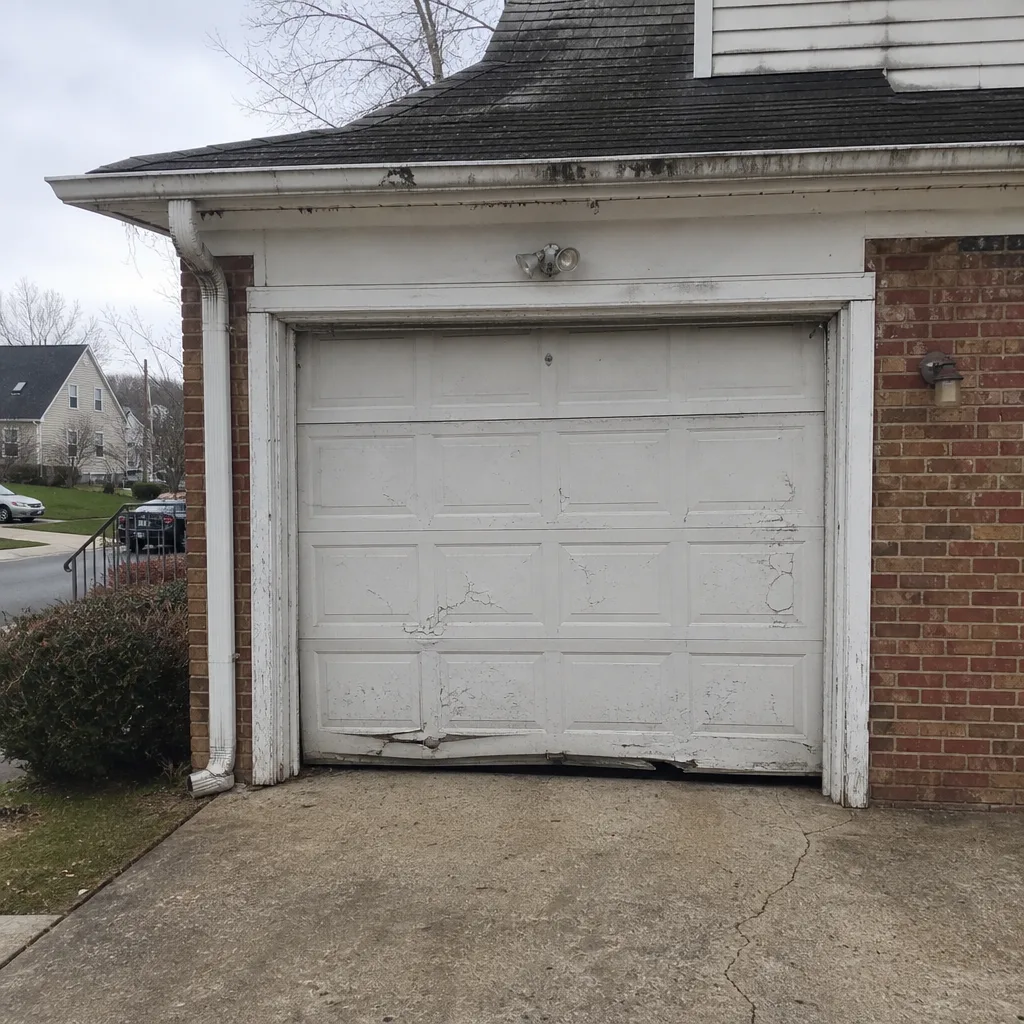 Before
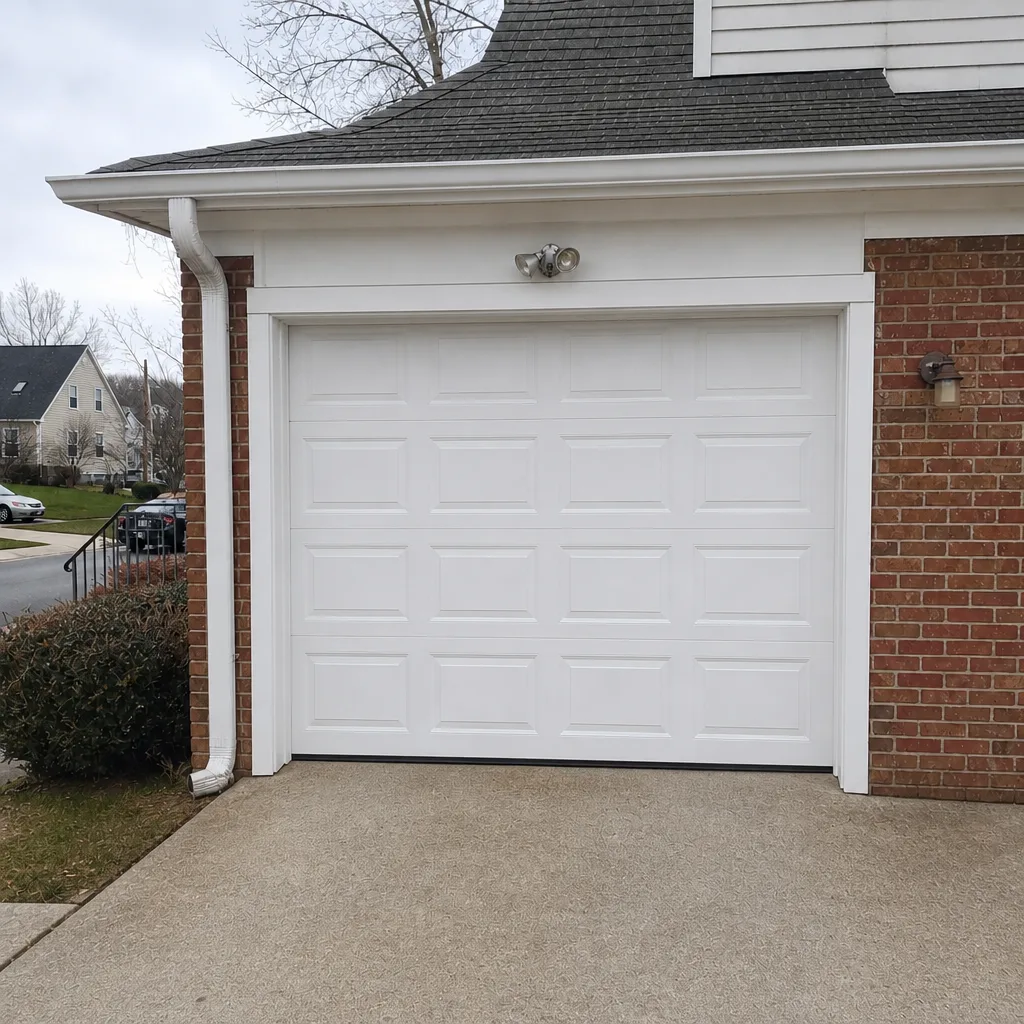 After
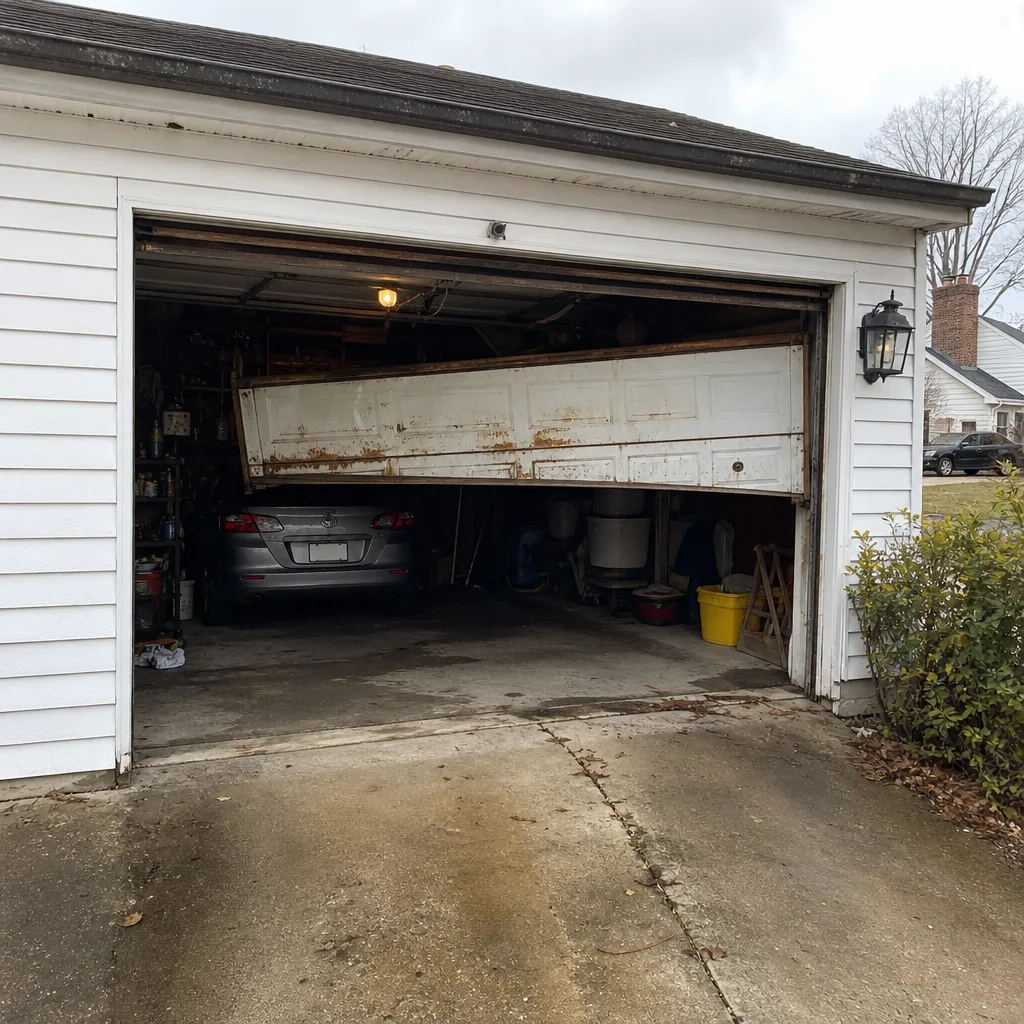 Before
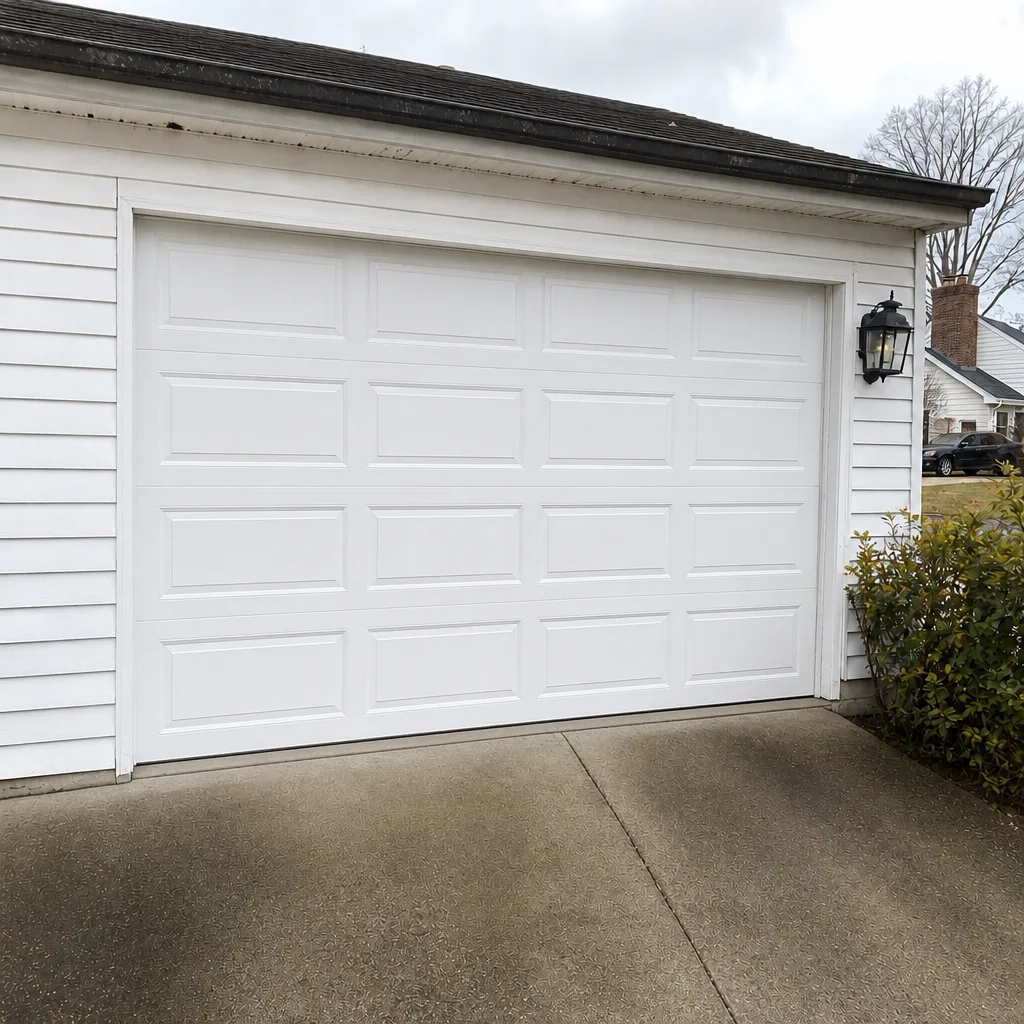 After
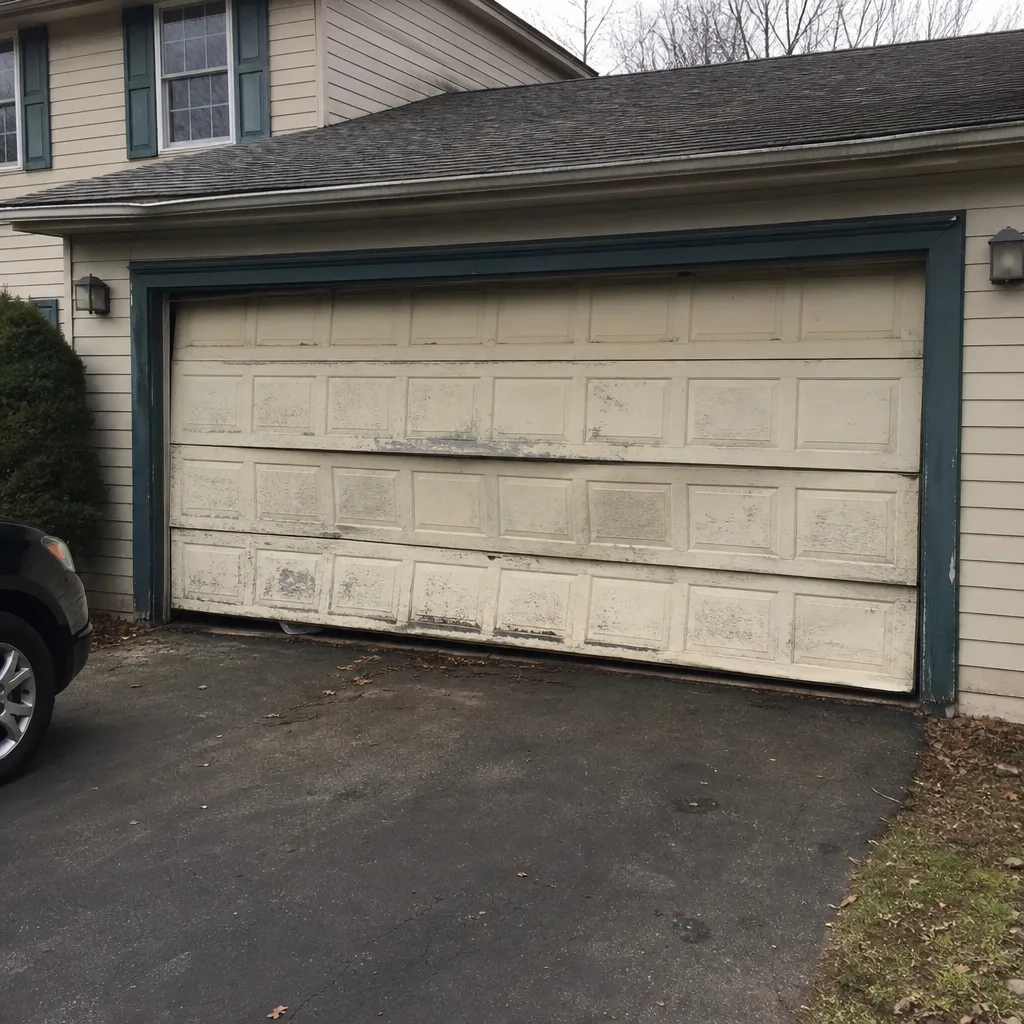 Before
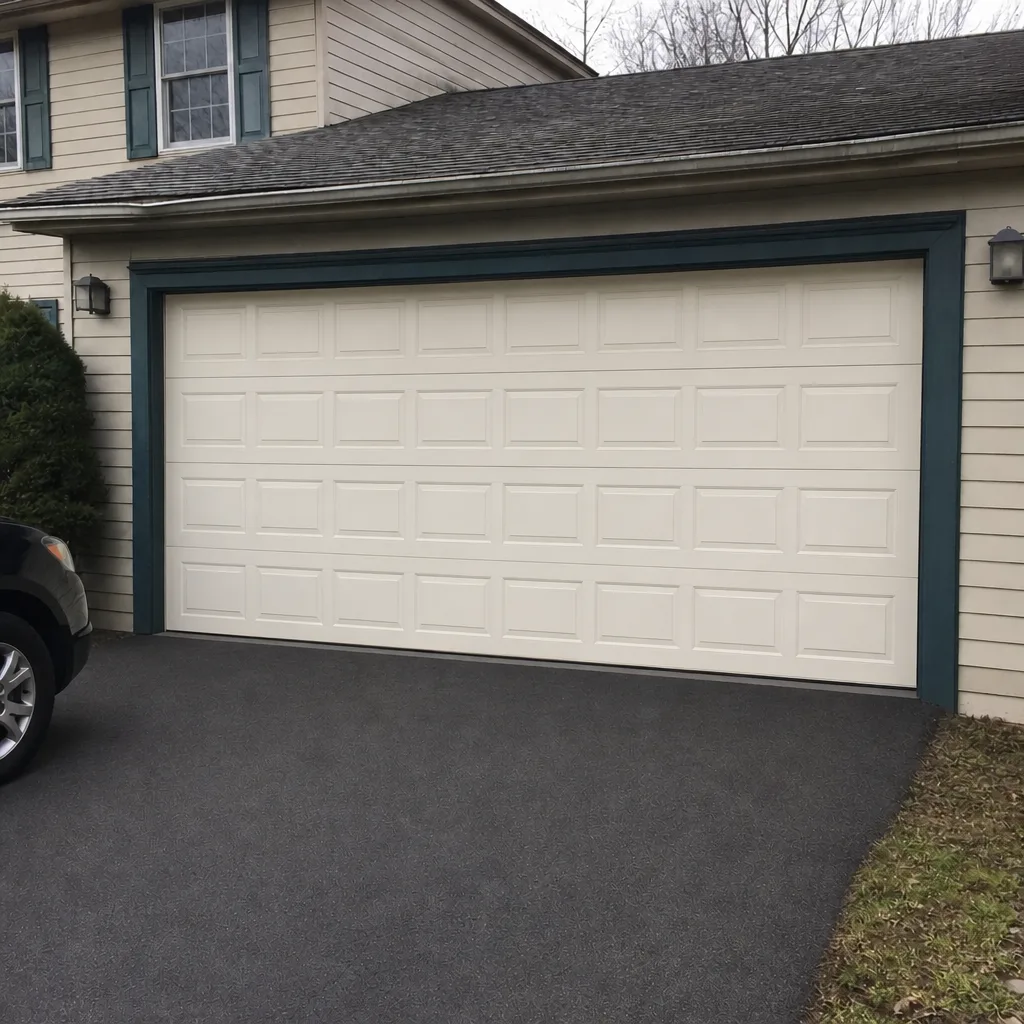 After
When to Call a Professional
Some garage door problems are inconvenient. Some are dangerous. Springs and cables under tension are in the second category. If you see a broken spring, hear a sharp bang from the garage, notice a door that hangs crooked, or see a frayed cable, stop operating the door and call a trained technician. Attempting spring or cable work yourself on a door that’s under tension isn’t a project to try – it’s a job that hurts people when it goes wrong. Opener issues, panel damage, weatherstripping and normal wear are less urgent but still worth a professional eye if the door won’t open, close, or reverse properly. For any of these, our team at Newark Garage Door Repair Pros offers a free estimate in Newark and can get you back up and running. Call (888) 561-7809. We answer 24/7. Fast dispatch from 7am to 7pm, Sunday through Friday.
For a failure that happens at a bad moment, our emergency garage door service is a core part of what we do, not an add-on. You can read more about how our team works through the site.
Frequently Asked Questions
Replacing one torsion spring in Newark typically runs $180-$340, and a matched pair usually costs about twice that at $340-$650 because both springs are normally replaced together. The written estimate sets the final price and is agreed before work starts. Call (888) 561-7809 for an exact quote – estimates are free.
Yes, in most cases. Our phone line answers 24/7, and we dispatch Sunday through Friday from 7am to 7pm. A call outside dispatch hours is booked into the next opening. Call (888) 561-7809 to check availability for today and lock in a free estimate.
No. The written estimate you approve is the price you pay for the scope listed. If we find additional wear or a hidden problem during the job, we stop and quote the additional work separately before touching it. Nothing is added without your agreement. Call (888) 561-7809 to schedule a free estimate.
Yes. The local professionals we connect you with are licensed and insured as their state requires, and spring and cable work is handled with the safety precautions those jobs demand. If you’d like to confirm credentials for your property, ask when you book. Call (888) 561-7809 for a free estimate.
Usually, yes, if the garage is attached to the house and shares a wall or ceiling with living space. Insulation reduces heat transfer into the home and quiets the door in operation. For a detached or unheated garage, the benefit is small and the extra cost is harder to justify. A free measure will confirm what your opening can take – call (888) 561-7809.
We work across eight of the most widely installed residential garage door brands: LiftMaster, Chamberlain, Genie, Clopay, Amarr, Wayne Dalton, Craftsman, and Raynor. If your door or opener carries one of those names, you won’t be told to call someone else. Call (888) 561-7809 to book a free estimate.
The Bottom Line
The garage door invoice in Newark in 2026 is being shaped more by labor and steel than by the parts that fail most often, and the smart-opener add-on market is quietly inflating a lot of quotes. Read every estimate as three buckets – the failure, the wear items, and the upgrades – and make the contractor separate them. Springs are quoted per spring, a matched pair costs about twice one, and a written quote agreed before work starts is what protects you. Insulation and a good bottom seal earn their cost in a Delaware climate. Decorative hardware usually doesn’t. If you’re weighing repair against replacement on a ten-year-old door, repair the failure unless the door itself is failing. And if you need a real number for your door, call us – we’ll measure it and write it down.
For a free estimate anywhere in Newark, call Newark Garage Door Repair Pros at (888) 561-7809. We answer 24/7. Fast dispatch from 7am to 7pm, Sunday through Friday.
Written by the team at Newark Garage Door Repair Pros.