
Last updated November 22, 2026
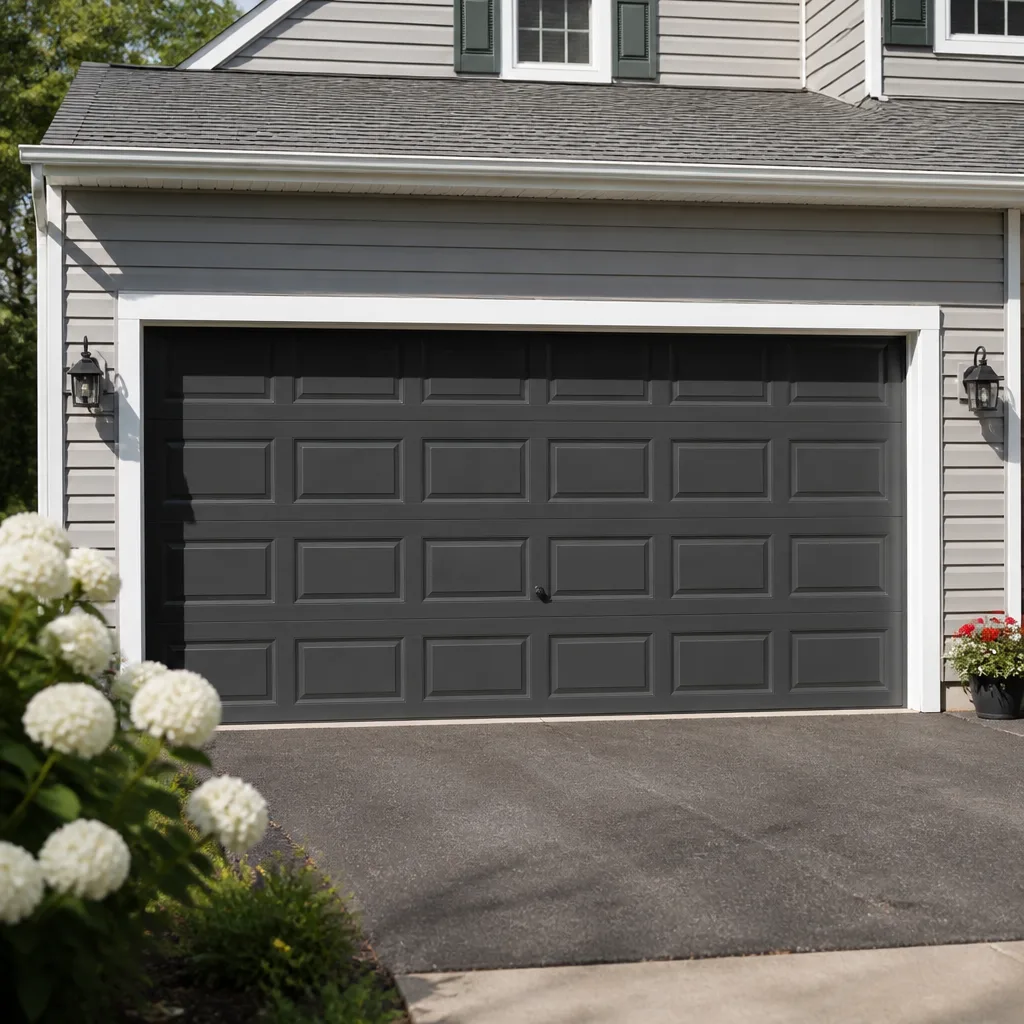 Raised-panel steel
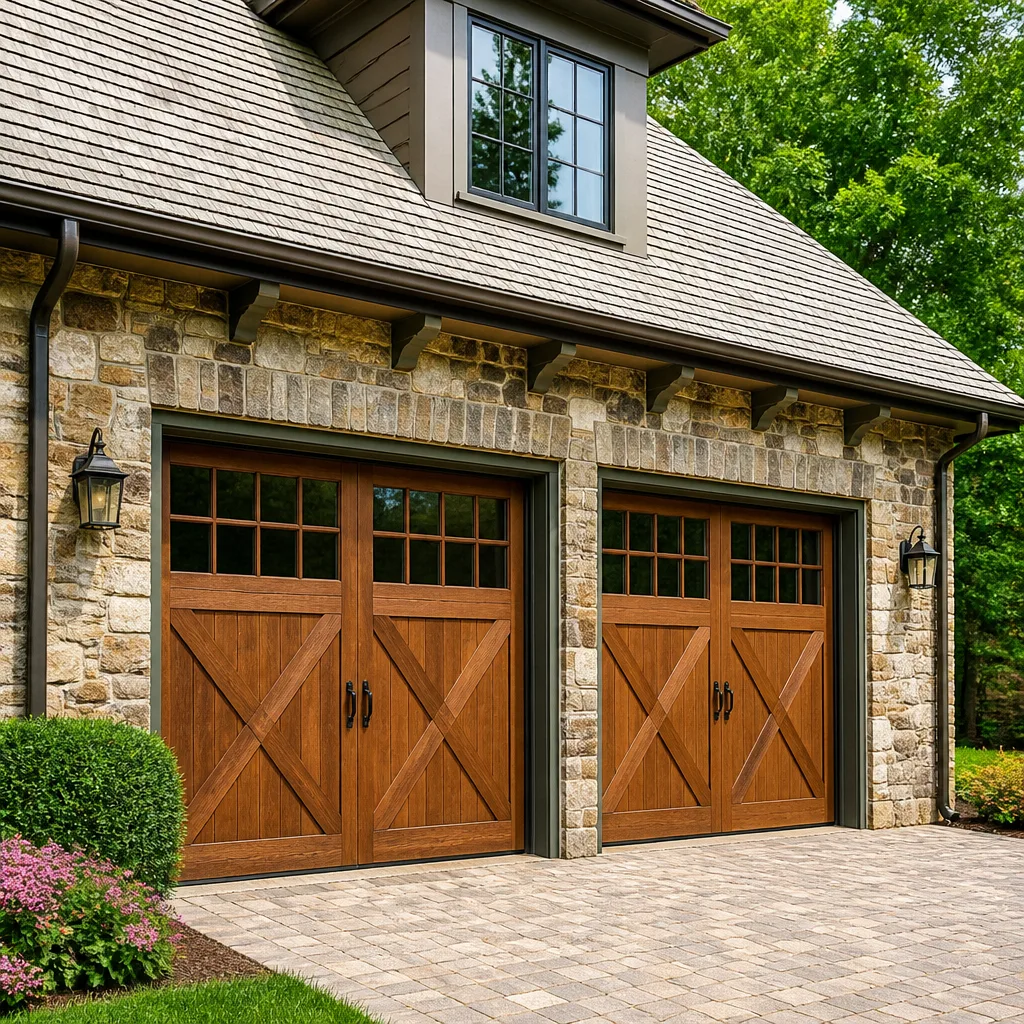 Carriage house
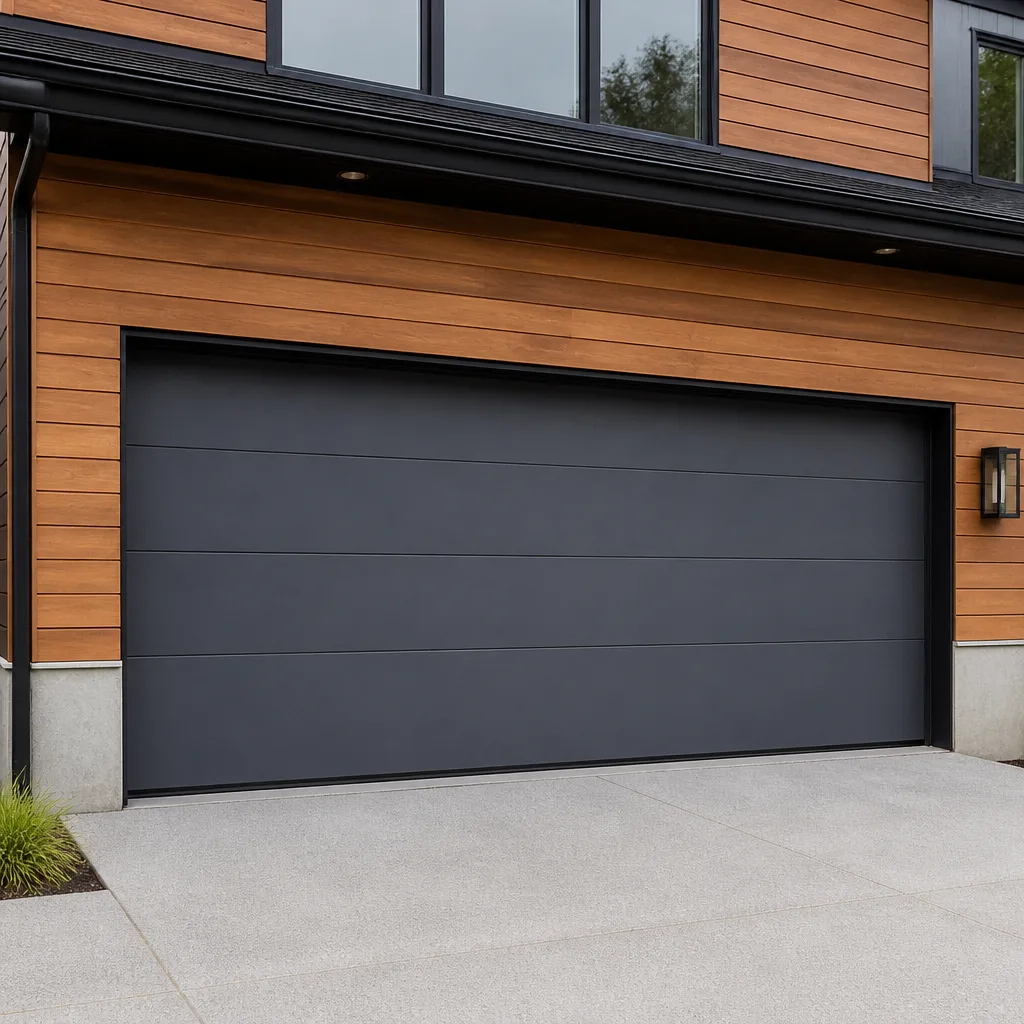 Modern flush
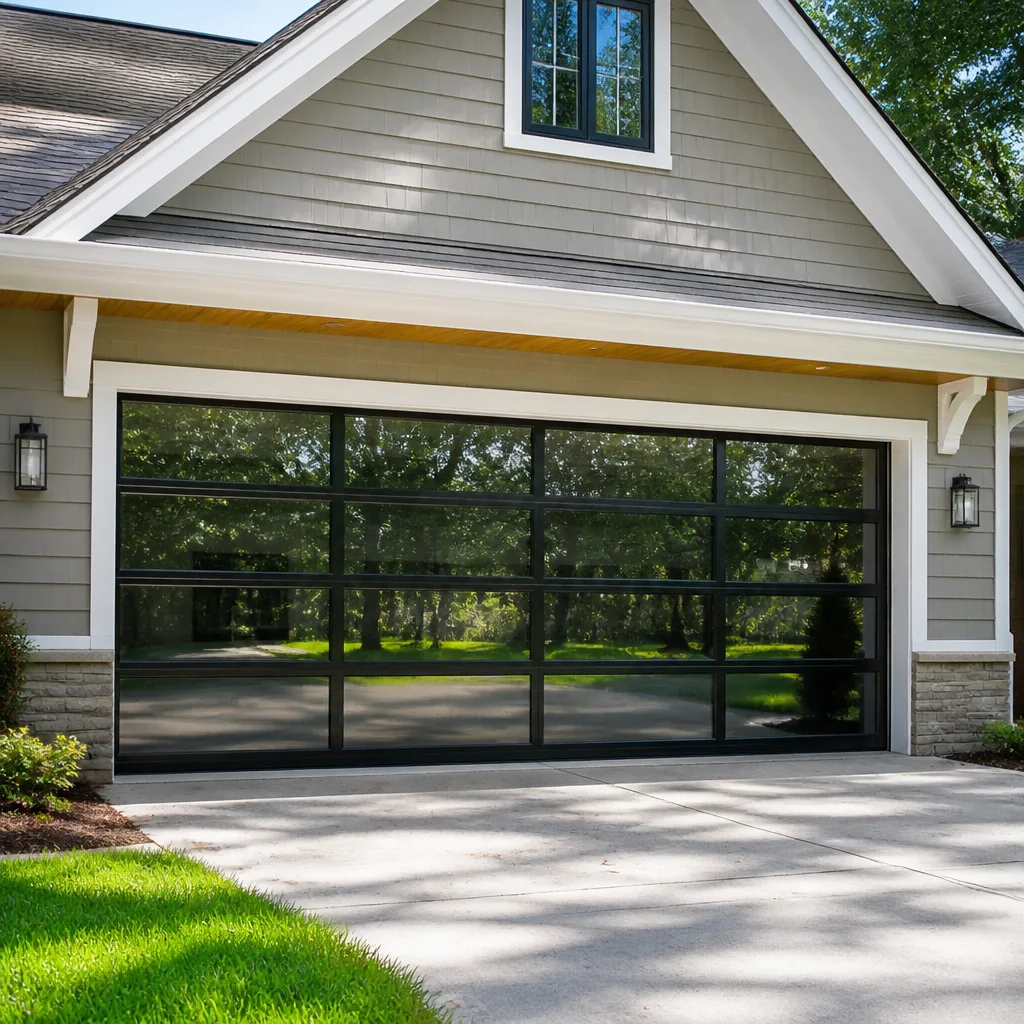 Full-view glass
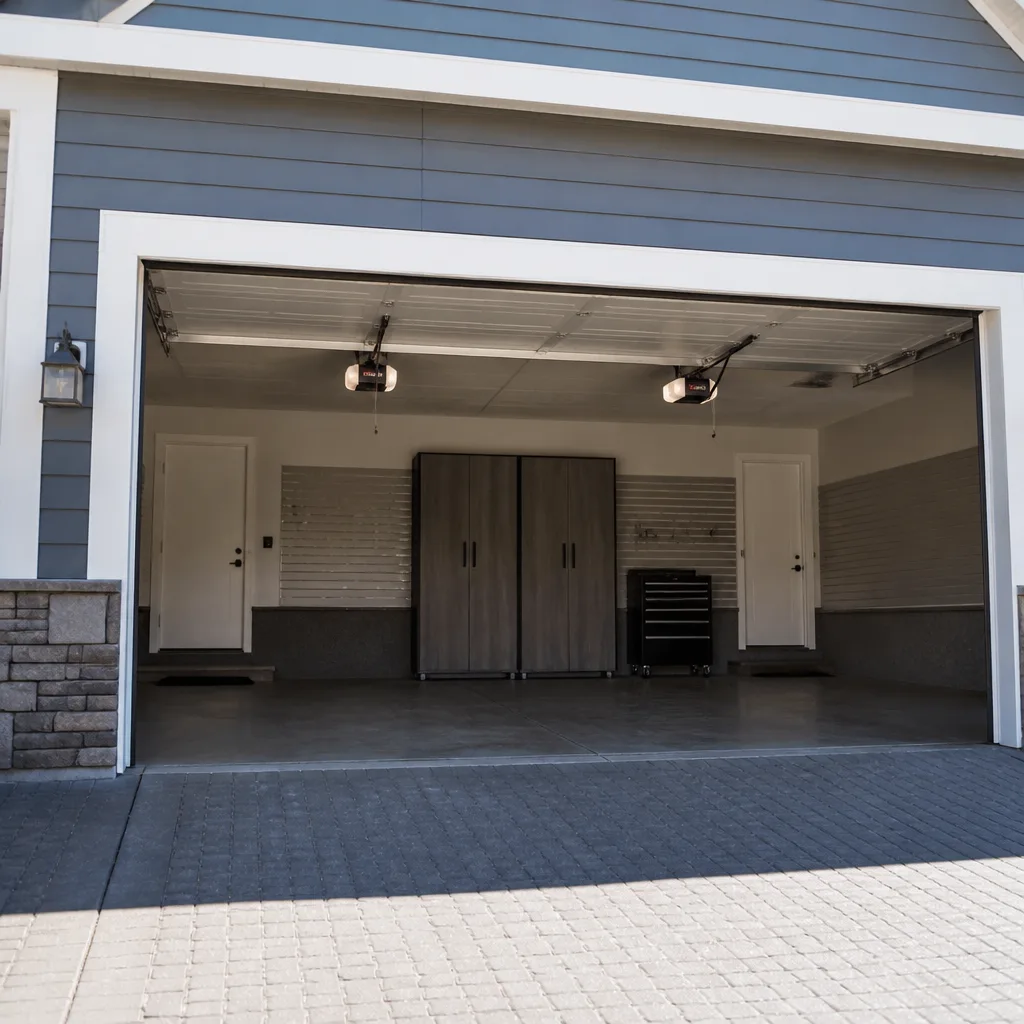 LiftMaster openers
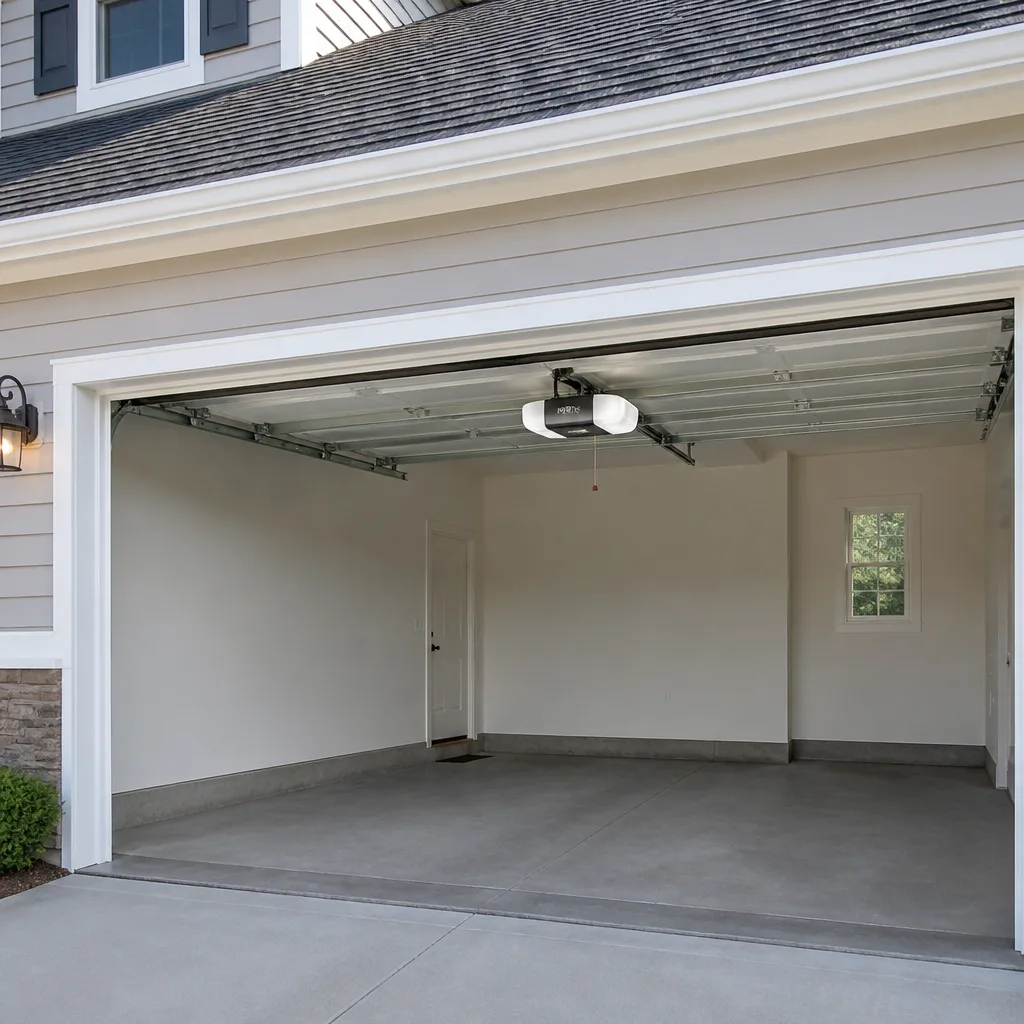 Chamberlain openers
Full 25-point door and opener safety check with every visit - springs, cables, rollers, tracks, and your LiftMaster or Chamberlain opener included
You get a price before we start. It does not change when the pro arrives.
Get your free estimateGarage Door Warning Signs: A Newark Homeowner’s Reference Guide
Most garage doors don’t fail out of nowhere. A torsion spring almost never snaps without warning. It telegraphs the break over weeks through sounds, speed changes, and balance shifts that homeowners are rarely taught to read. The same is true of worn cables, tired rollers, and aging openers: each one gives you a window to act before a small fix turns into a door stuck halfway down. This guide walks through the seven signals that mean “schedule service this week,” not “wait until it stops working.” We’ll cover how to test your door in Newark in about a minute, what each sound actually points to, and how to document what you see so a technician can triage by phone before arriving.
Quick Answer
A garage door that’s struggling, not just slow, is the one to watch. The clearest warning signs are a door that reverses on its own, a grinding or popping noise during travel, a visibly frayed or slack cable, uneven gaps at the bottom, and a spring that’s stretched, rusty, or silent when the door moves. Any one of these means it’s time for a professional look, because the parts involved carry serious tension and aren’t safe to inspect up close.
Styles & brands we work with
- Raised-panel steel
- Carriage house
- Modern flush
- Full-view glass
- LiftMaster openers
- Chamberlain openers
Table of Contents
- Is your door slow or struggling? A 60-second test
- What grinding, popping, and scraping noises tell you
- Reading cable and spring wear from the garage floor
- Why your opener reverses for no reason
- Balance, alignment, and the door that drifts
- How to photograph warning signs for a phone triage
- What warning signs look like on Newark’s most common brands
- How Newark weather and daily use shape wear
Is your door slow or struggling? A 60-second test
A slow door is normal. A struggling door is telling you something is about to give. The distinction matters because one is routine wear and the other is the last stage before a failure, and you can usually tell the difference without tools.
Here’s the test. Standing safely to the side, watch the door through a full open-and-close cycle. Then ask these questions:
- Does the door move at an even pace, or does it lurch, pause, or speed up partway through?
- Does the top edge stay level as it rises, or does one side lift before the other?
- Does it shudder or shake on the way down?
- Do you hear a strain in the opener motor, like it’s working harder at one point in the travel?
- Does the door feel heavy if you lift it by hand with the opener disconnected, or does it rise smoothly and stay put halfway up?
If you answered “yes” to lurching, uneven lift, shuddering, or motor strain, your door is struggling. The most common culprits are a weakening spring that can no longer carry the door’s weight, or worn rollers and hinges dragging on the track. A door that lifts smoothly by hand and holds its position at the halfway point is balanced; one that drops or rises on its own is not. Either way, a struggling door is a call-this-week situation, not a wait-and-see. In Newark, where many homes run the door several times a day for daily comings and goings, that cycle count adds up and gravity takes the wear out of the springs first.
What grinding, popping, and scraping noises tell you
The noise your door makes is the most reliable early warning you’ll get, and each type of sound points to a different part. Learning to tell them apart saves you from guessing, and it helps a technician know what to bring.
Grinding
Grinding is usually dry or worn rollers and hinges, or metal dragging against metal in the track. It tends to build gradually and gets worse the longer it’s ignored. On the dominant opener brands people have in Newark, like LiftMaster and Chamberlain, a grinding that seems to come from overhead rather than the door itself can mean the opener’s gear and rail need attention rather than the door hardware. Lubrication and worn-part replacement are typically what a technician looks at first.
Popping
A sharp pop or bang during travel is the sound to take most seriously. It often means a torsion spring is slipping or a cable has jumped its drum. A single loud pop that leaves the door heavy and unmoving is the classic broken-spring moment. If you hear it, stop operating the door and call for garage door spring repair rather than running the opener again. A spring under tension stores enough force to injure someone who tries to touch it, so this is one to leave to a trained professional.
Scraping
Scraping usually means the door is rubbing the frame or the track, often because a panel has shifted or a roller has come loose. It can also signal a bent track. Mild scraping is an adjustment; heavy scraping that bends the door as it moves is a stop-and-call situation.
Reading cable and spring wear from the garage floor
You can learn a lot about your cables and springs without touching anything. Stand on the garage floor and look up. That’s the whole method, and it’s the safe one.
Cable signs to look for
- Frayed strands or a fuzzy look along the cable. A healthy cable is a clean, even line.
- A slack or sagging cable, especially on one side. Cables should sit taut against the drum.
- A cable that’s come off the drum or is wrapped unevenly.
- Rust streaks or wear marks near the drum ends.
If any of those are visible, the door is at real risk of dropping. Stop using it and get a professional out. Don’t try to rewind or re-seat a cable yourself; the tension on those parts can release suddenly.
Spring signs to look for
- A visible gap in a torsion spring, which means it’s broken.
- A spring that looks stretched, sagging, or out of shape compared to when it was new.
- Heavy rust, which shortens spring life.
- A door that’s suddenly much heavier to lift, or one the opener can barely raise.
Springs are the most common point of garage door failure and also the most dangerous. The way to check them is with your eyes, from a distance, never by hand. A technician can confirm spring condition quickly, and replacing a worn spring before it breaks is almost always the cheaper and safer route. In our experience, a spring that’s visibly stretched is a spring on borrowed time; the break is usually a matter of weeks, not months. That’s why we treat spring work as a specialty rather than an afterthought: it’s a precision job, and it deserves a careful set of hands. It’s also one reason to get a written price before any work starts, so you know exactly what’s being replaced and what it costs.
Why your opener reverses for no reason
An opener that reverses on its own almost always has a safety-sensor problem until proven otherwise. The safety sensors, the small eyes mounted near the floor on each side of the door, exist to stop the door from closing on a person or pet. When they’re misaligned, dirty, or blocked, the opener reads “obstruction” and reverses the door mid-close. That behavior is the system doing its job, not a defect.
Here’s the order a technician typically works through:
- Check that the sensor eyes are aligned with each other and the small indicator light on each is steady, not flickering.
- Wipe the sensor lenses clean of dust and cobwebs. Newark garages gather plenty of both.
- Look for anything in the door’s path that’s tripping the sensors, including a sagging bottom seal or a shifted track.
- Confirm the opener’s close-limit setting, which tells the door how far to travel.
- Check the force setting, which tells the opener how hard to push before reversing.
If the sensors are clean and aligned and the door still reverses, the cause can be a failing logic board, a mis-set limit, or a worn spring making the door harder to close than the opener expects. On the widely installed opener brands, diagnosis is quicker when the technician already knows the platform. That’s part of why our teams work with LiftMaster, Chamberlain, Genie, and Craftsman openers directly rather than treating every opener the same. If you’re stuck mid-cycle, our garage door opener repair can sort out whether it’s a sensor, a setting, or the opener itself.
One warning: don’t disable or bypass the safety sensors to force the door to close. They’re there for a reason, and a workaround can lead to a much worse outcome.
Balance, alignment, and the door that drifts
A door that closes unevenly, leaves a gap at one corner, or drifts open on its own has a balance or alignment problem, and those problems strain the opener and the springs every time you use it. A well-balanced door should stay put at any point in its travel when you let go of it with the opener disconnected. If it drifts, something is out of adjustment.
Signs to check for from the ground:
- A gap at the bottom on one side when the door is fully closed.
- Panels that look tilted or out of line with each other.
- A door that catches or hesitates on one side as it rises.
- Weatherstripping that’s crushed, torn, or pulling away.
- A track that’s visibly bent or out of plumb.
Balance issues often trace back to worn springs, loose hinges, or a track that’s been nudged out of alignment. On Newark’s older housing stock, we sometimes see tracks that have shifted over many seasons of use, and a door that once closed flush now leaves a small gap on one side. Fixing balance early extends the life of the opener and keeps the springs from carrying more load than they were designed for. General garage door repair covers these adjustments, and it’s usually a quick visit once the technician knows what to look at. If you’re not sure whether the fix is a small adjustment or a larger one, the right first step is a free estimate rather than a guess.
How to photograph warning signs for a phone triage
A few good photos can save a lot of back-and-forth and help a technician arrive prepared. Here’s what to capture, in order:
- A full straight-on shot of the closed door, so the technician can see the overall alignment and any gaps.
- A close-up of each spring, from a safe distance on the floor. Don’t reach up to touch anything.
- A close-up of each cable at the drum end, showing any fraying, slack, or uneven wrapping.
- A photo of the opener, including the brand and model label, usually on the back or side of the motor housing.
- A shot of the safety sensor eyes on each side, with the indicator lights visible if they’re on.
- A short video, just ten or fifteen seconds, of the door through a full open-and-close cycle. This one is worth more than any still photo, because the technician can hear and see the lurching, shuddering, or speed changes in real time.
Send those along with the door’s age and a one-line description of what’s happening. The technician can triage most problems before the visit, which means the right parts come along and the job is faster. When you call, mention the door brand if you know it. Our teams work with many of the most common residential brands, including Clopay and Amarr doors, and knowing which door you have helps us match parts correctly.
A short video of the door in motion is the single most useful thing you can send. It tells us whether the issue is the door, the opener, or both, and it helps us decide whether you need a routine visit or an emergency call.
What warning signs look like on Newark’s most common brands
Different doors and openers have their own habits, and knowing the brand helps a technician read the warning signs faster. Here’s what we watch for on the platforms we see most in Newark:
- LiftMaster and Chamberlain openers: repeated reversing, blinking sensor lights, or a door that stops partway through travel. These usually point to sensor alignment or close-limit settings before any deeper fault.
- Genie openers: a straining motor or a door that’s slow to start can mean the opener is fighting a worn spring or a binding door, not that the opener is failing.
- Clopay and Amarr doors: panel balance and bottom-seal condition are worth watching, since a door that’s drifted out of balance puts extra strain on the opener and springs.
- Craftsman openers: the same kind of sensor and limit issues turn up here, and they respond well to a careful diagnostic.
This matters because a generalist who doesn’t know the brand spends time guessing. A technician who recognizes the platform can move straight to the likely cause, which shortens the visit and gets you back up and running sooner. If you’re not sure which brand you have, the photo of the opener label is enough for us to identify it before we arrive. If your door is beyond repair and you’re weighing a replacement, our garage door installation walks through what a new door involves.
How Newark weather and daily use shape wear
Newark’s seasons do real work on a garage door. Summer heat and humidity can swell and warp wood components and soften seals, while cold snaps stiffen moving parts and make worn springs more likely to fail. The door goes through a broad swing of temperatures each year, and each swing stresses the hardware a little more.
What that means for you:
- Listen a bit harder for new sounds in the first cold weeks of the season, when stiff parts make wear more noticeable.
- Check the bottom seal each season for cracking or tearing, since a failing seal lets in drafts and water.
- Watch for doors that shudder more in one season than another. That seasonal change often points to a temperature-sensitive part like a worn roller or a settling track.
- Expect springs to do the most work in the middle of a cold snap, which is when a worn spring is most likely to let go.
Most of the wear is normal, and the point of this guide is to catch it before it becomes an emergency. If your door stops working altogether, our Newark Garage Door Repair Pros can help you book emergency service or a same-day repair. We answer 24/7. Fast dispatch from 7am to 7pm.
Common Mistakes to Avoid
- Waiting until the door stops entirely. A struggling door is easy to fix and a broken spring often isn’t. Act on the warning signs rather than the failure.
- Trying to fix a spring or cable yourself. These parts store a lot of energy. Even with the door closed, the tension can release suddenly. This is a job for a trained professional.
- Bypassing the safety sensors. It’s tempting when the door won’t close, but the sensors exist to protect people and pets, and a workaround is a bad trade.
- Ignoring a door that reverses in winter. A door that reverses only in cold weather is often a binding door or a mis-set force, and it gets worse as the season goes on.
- Assuming the opener is the problem. A slow or hesitant door is often a spring, not the opener, and replacing the opener won’t fix the door if the door is what’s struggling.
- Coasting on an old spring until it breaks. If your spring is visibly stretched or rusty, replace it before it fails. It’s cheaper and safer than an emergency call.
- Not knowing your door brand. A quick look at the opener label saves time and gets the right parts on the first visit, especially if your door is a LiftMaster, Chamberlain, or Genie.
See the difference
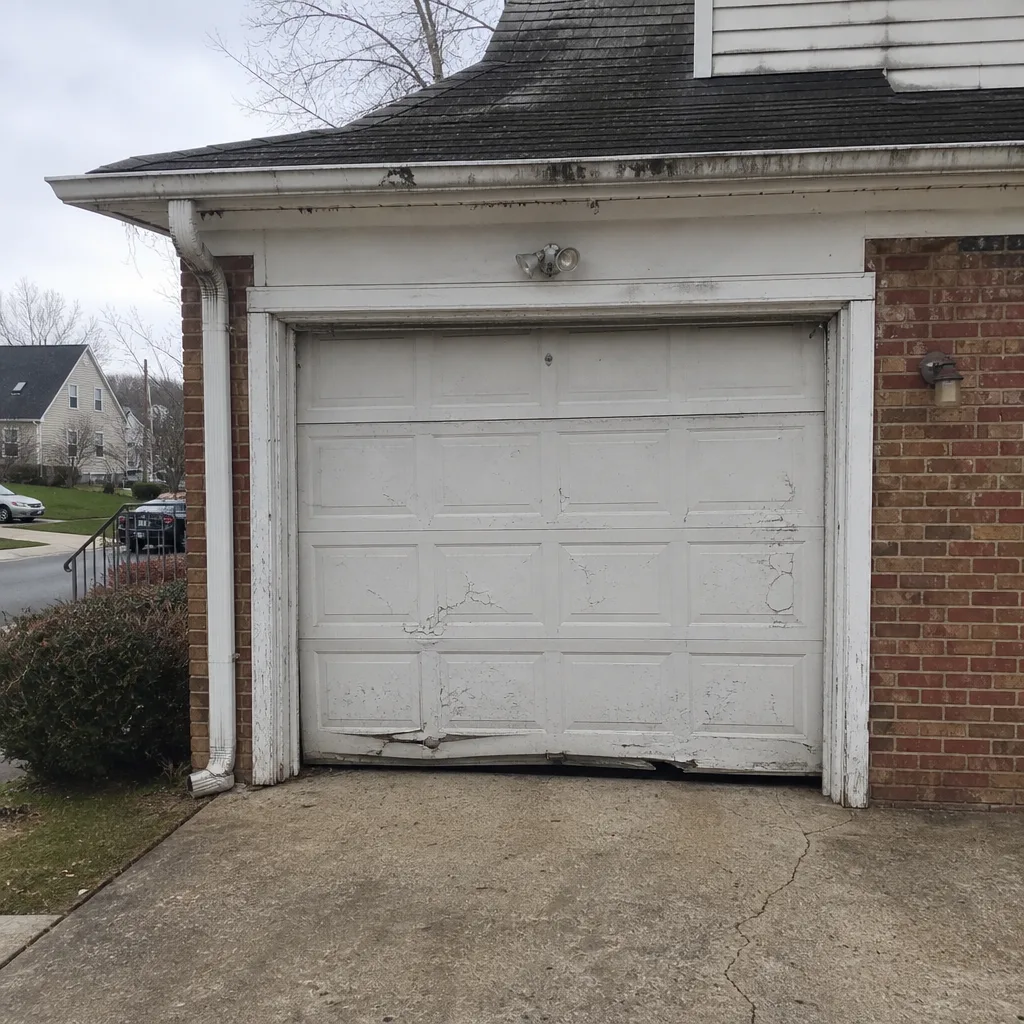 Before
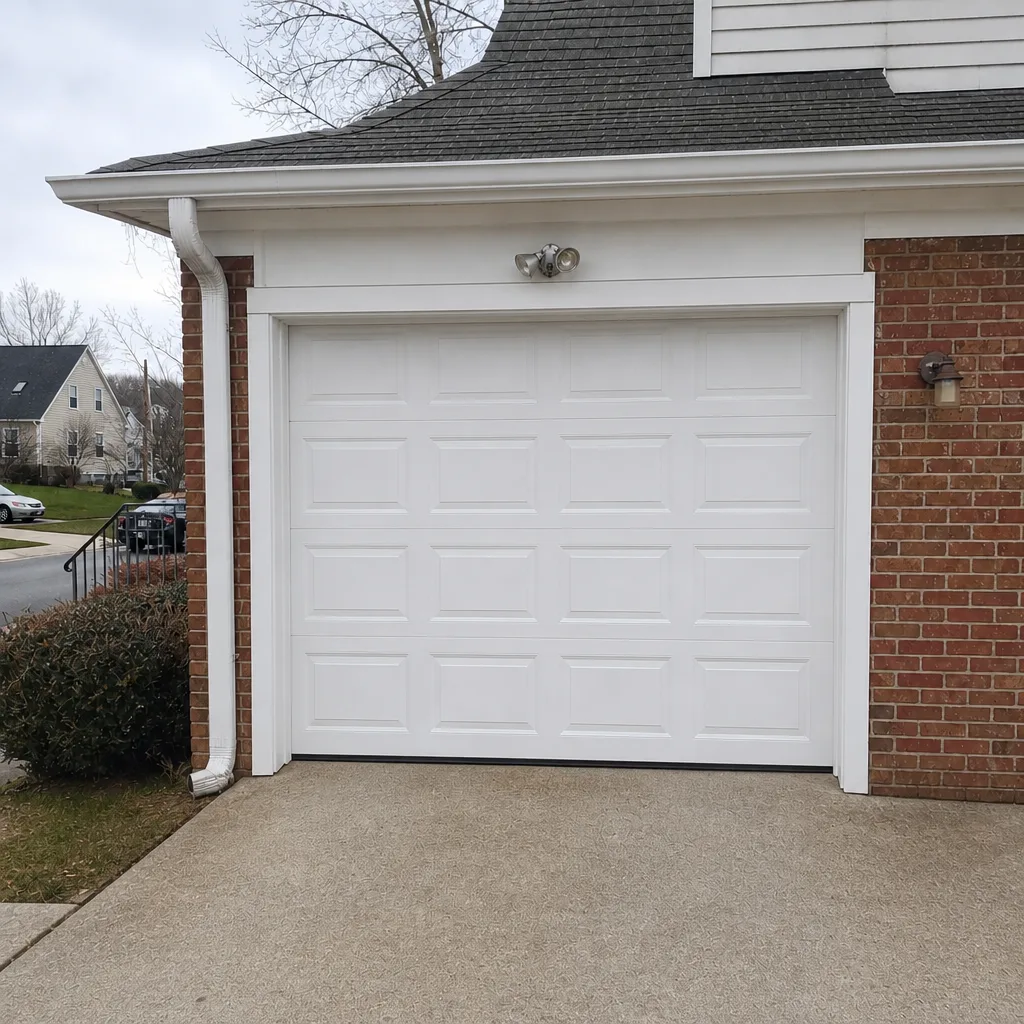 After
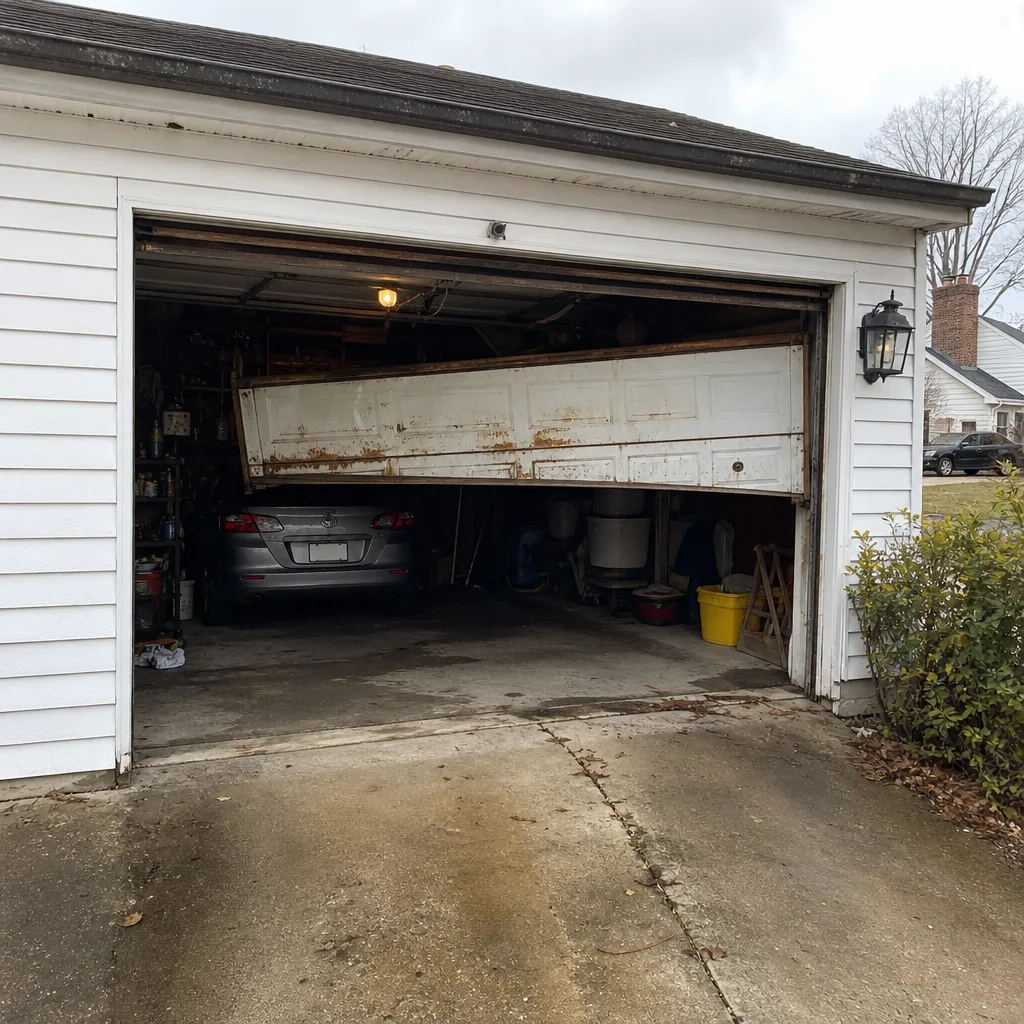 Before
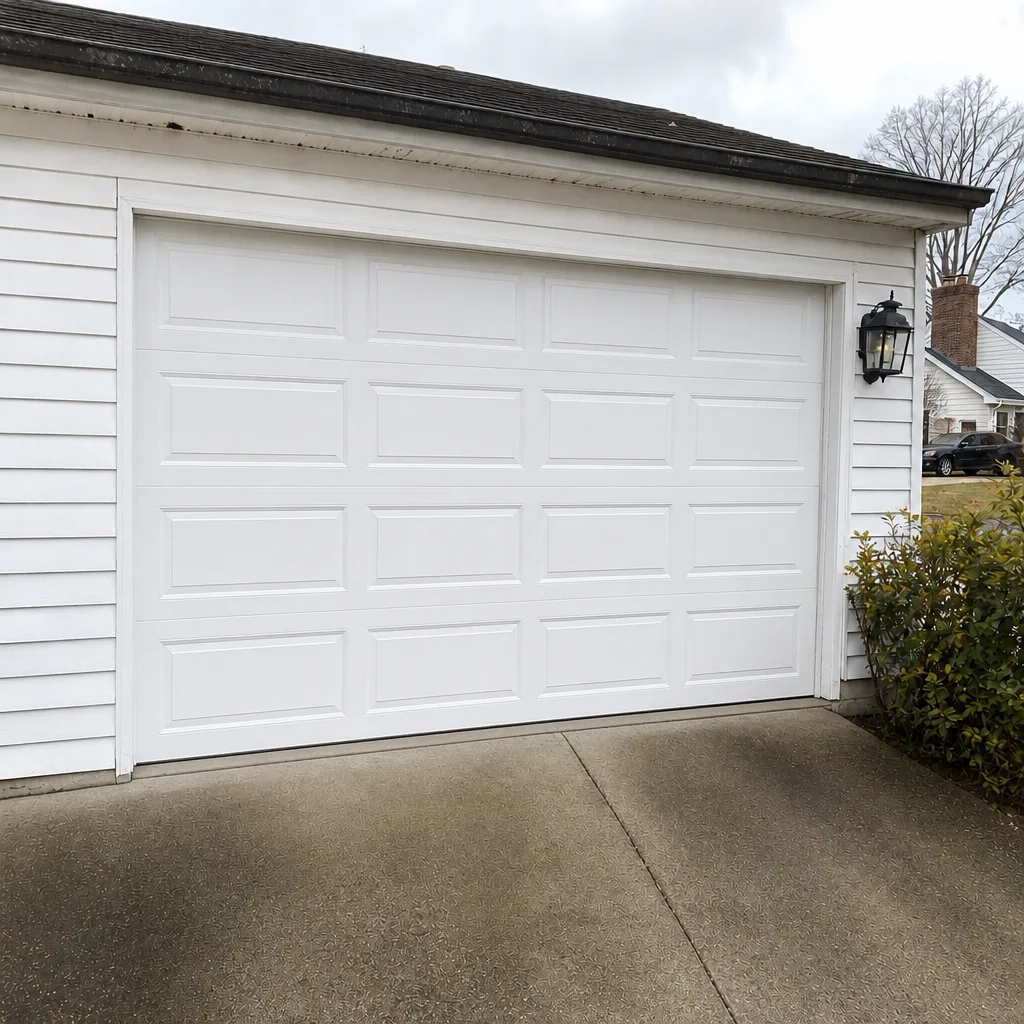 After
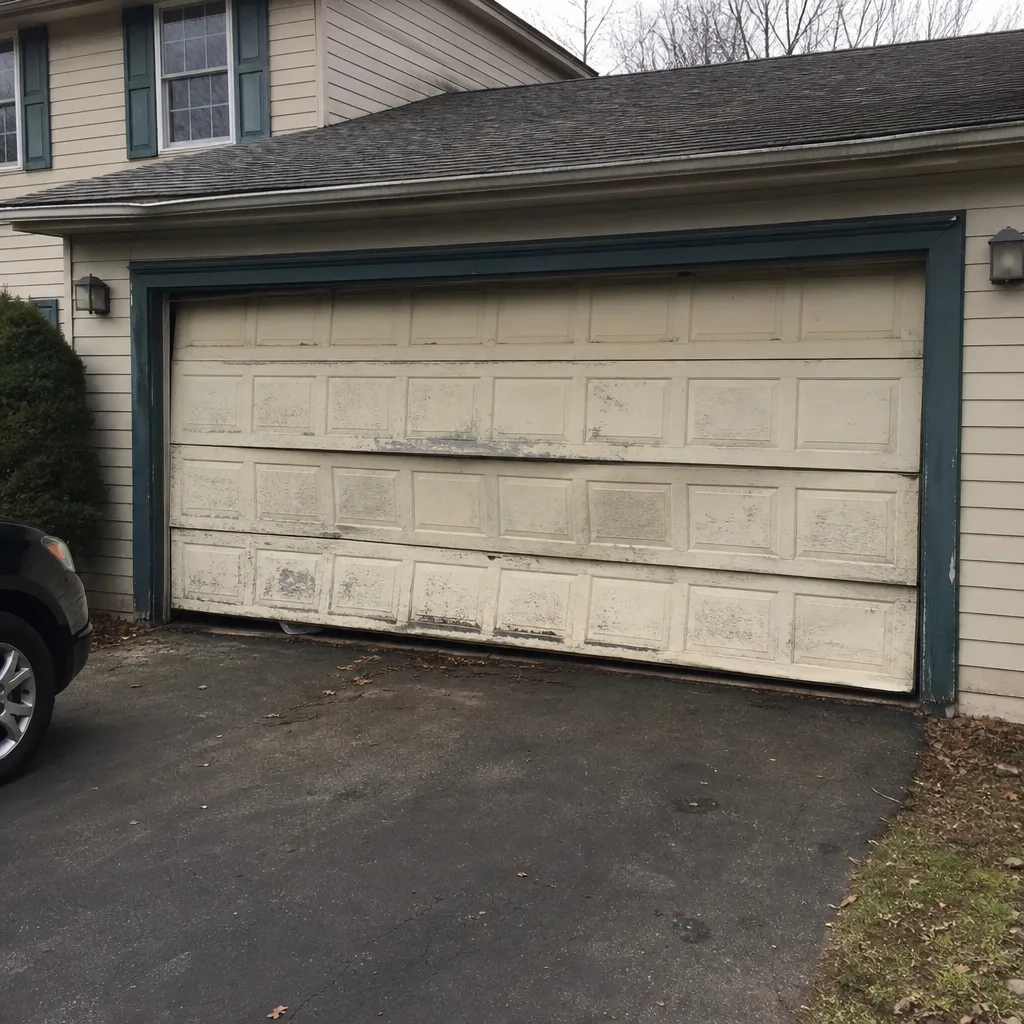 Before
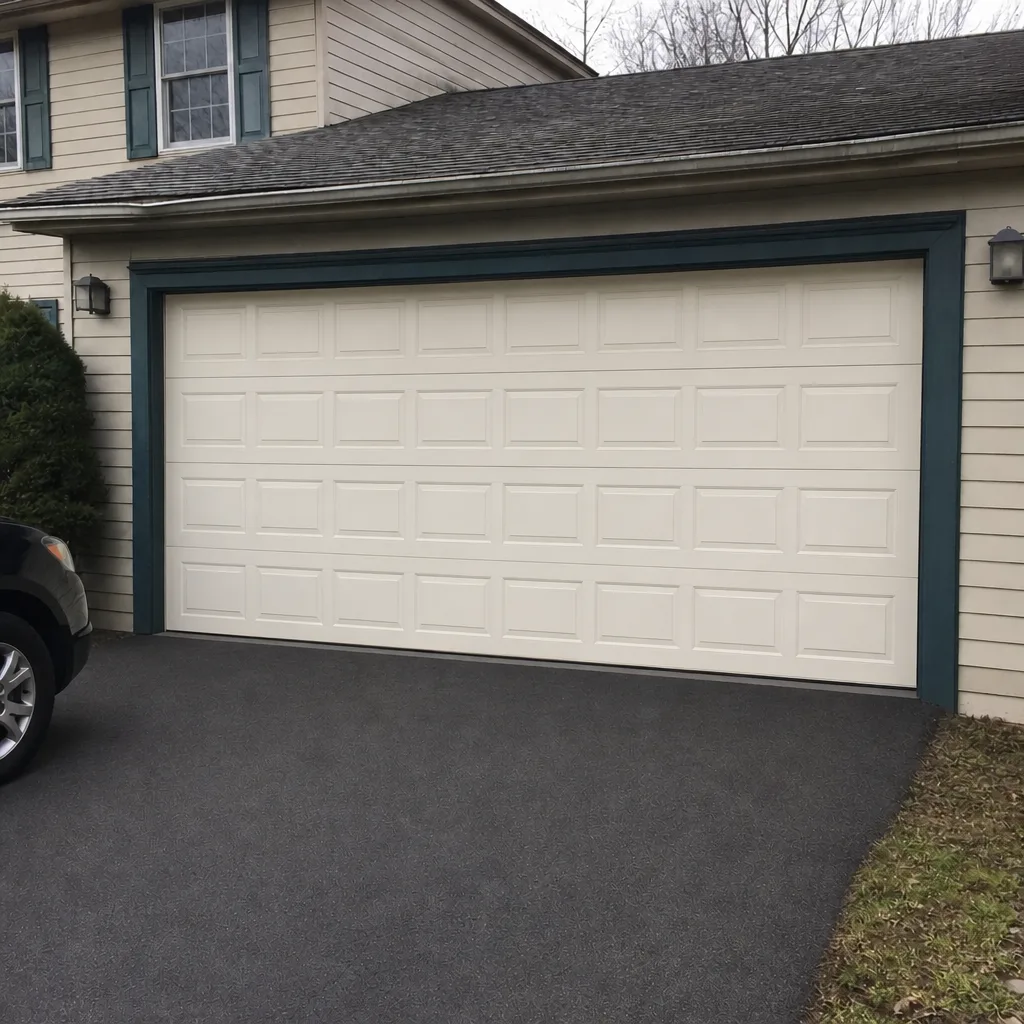 After
When to Call a Professional
Call a professional if the door reverses on its own, makes a popping or banging sound, has a visibly frayed or slack cable, sits unevenly or leaves a gap, or feels much heavier than it used to. If the door is stuck open, won’t close, or has stopped working entirely, that’s an emergency call. Spring and cable work carries real tension and should always go to a trained professional, and most of what you can check safely is looking, not touching. Newark Garage Door Repair Pros offers free estimates in Newark. Call (888) 561-7809. We answer 24/7. Fast dispatch from 7am to 7pm, Sunday through Friday.
Frequently Asked Questions
The most common warning signs in Newark are a door that reverses on its own, a grinding, popping, or scraping noise, a visibly frayed or slack cable, a door that lifts unevenly or leaves a gap, and a spring that’s stretched, rusty, or broken. Any one of these means it’s time to schedule service before the door fails.
You can look, but don’t touch. Springs are under serious tension and can injure you if they release suddenly. Photograph a stretched or rusty spring from the floor and call a professional, and don’t operate the door if a spring looks broken. Our garage door spring repair guide covers what a safe inspection looks like.
An opener that reverses on its own is usually reading an obstruction from misaligned or dirty safety sensors, not failing. Clean and align the sensor eyes, check for anything in the door’s path, and if the door still reverses, the cause may be a mis-set close-limit or a worn spring. Call (888) 561-7809 for a free estimate.
A slow door is normal; a struggling door lurches, shudders, lifts unevenly, or strains the opener. Watch a full open-and-close cycle and listen for changes in speed or motor strain. If the door won’t hold its position halfway up, the balance is off and it’s time to call.
A worn spring and a broken spring often end up in the same repair, and either way it’s a job for a professional. The written estimate sets the price, and having the work done before the spring breaks usually saves you an emergency call. Call (888) 561-7809 for an exact price; estimates are free.
We answer 24/7, and fast dispatch runs 7am-7pm, Sunday through Friday. Same-day repair is often possible for urgent problems like a broken spring or a door stuck open. If you call outside dispatch hours, we’ll book you into the next opening, Sunday through Friday, 7am to 7pm. Call (888) 561-7809.
The Bottom Line
Garage door failures usually give you a window to act. The struggling door, the popping sound, the frayed cable, and the door that reverses on its own are all early warnings that let you fix a small problem before it becomes an emergency. Watch your door through a full cycle, look at the cables and springs from the floor, and photograph what you see so a technician can triage by phone. When something looks wrong, call a professional rather than reaching up to test a spring or cable. For a free estimate in Newark, call (888) 561-7809. We answer 24/7. Fast dispatch from 7am to 7pm, Sunday through Friday. One call covers it, and we’ll get you back up and running without a sales pitch on a door you don’t need.
Written by the team at Newark Garage Door Repair Pros.