
Last updated November 22, 2026
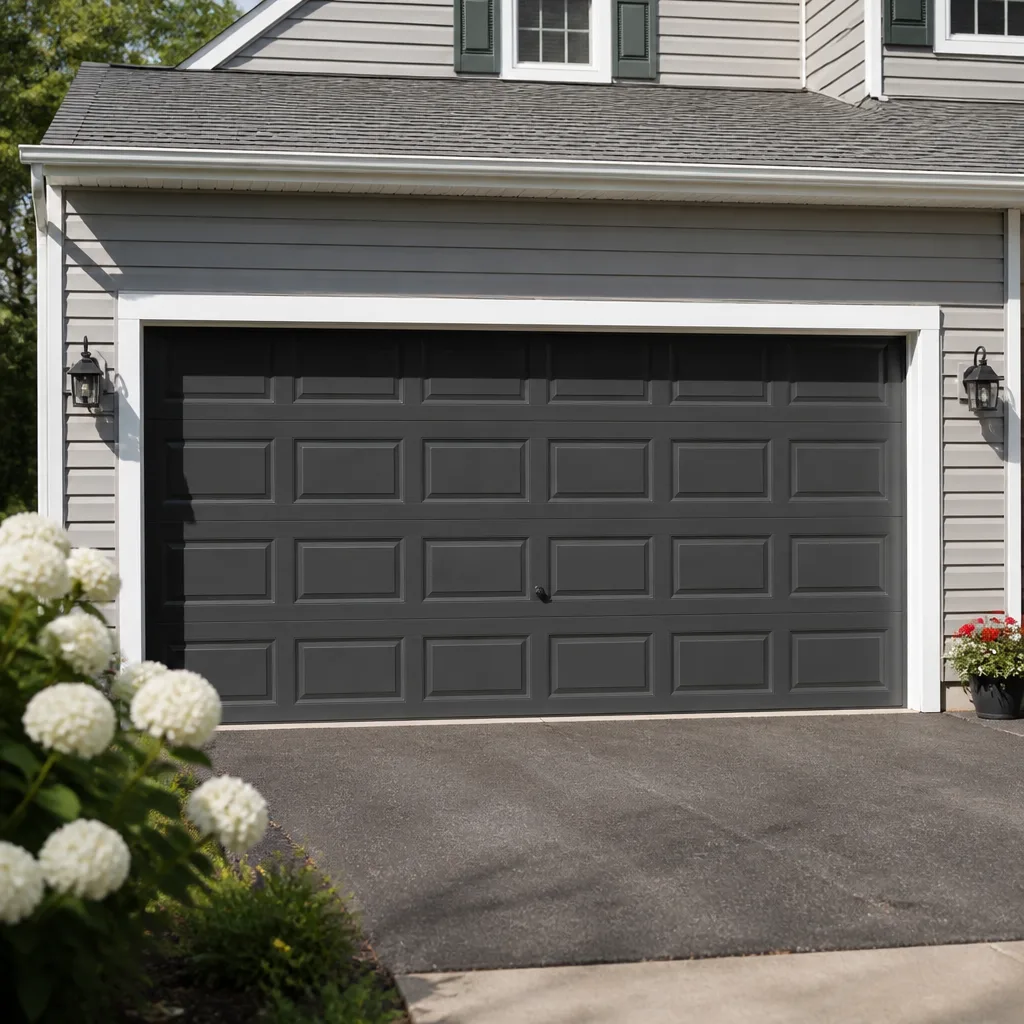 Raised-panel steel
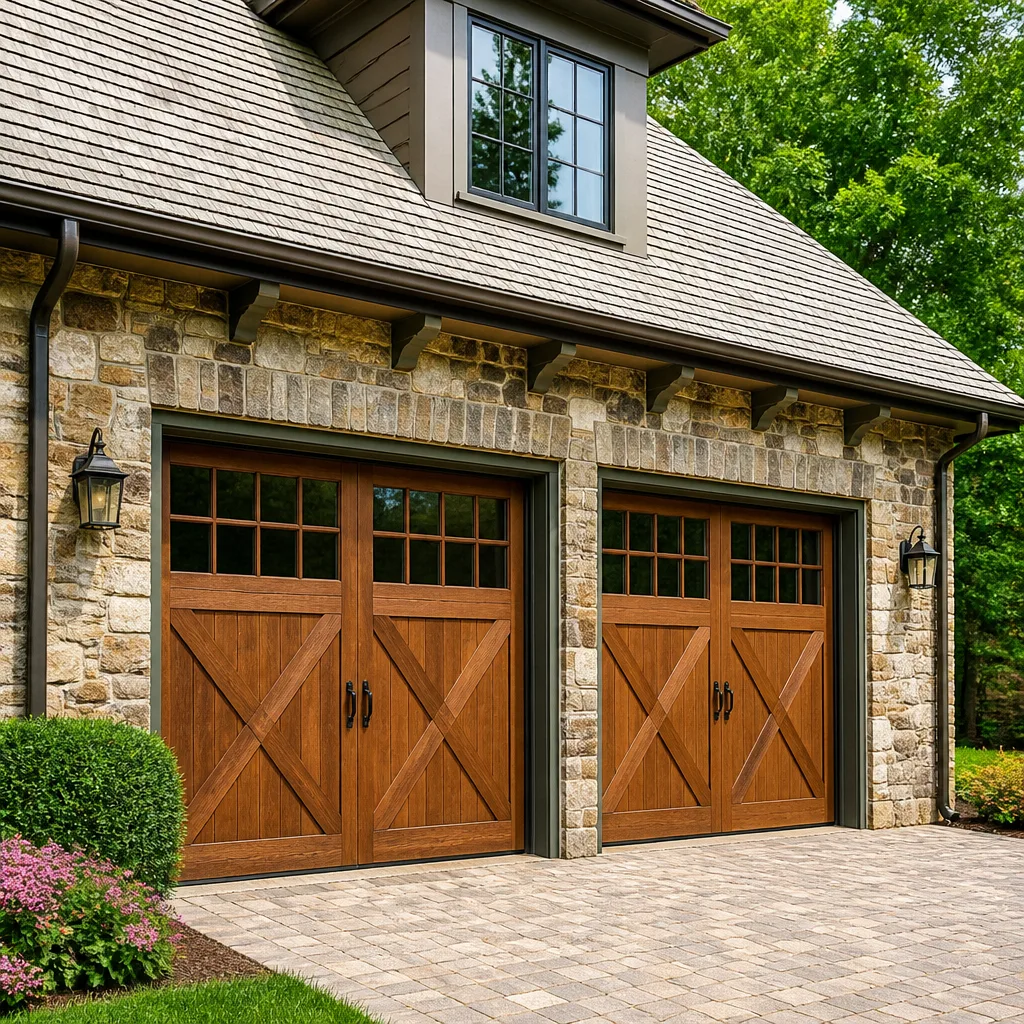 Carriage house
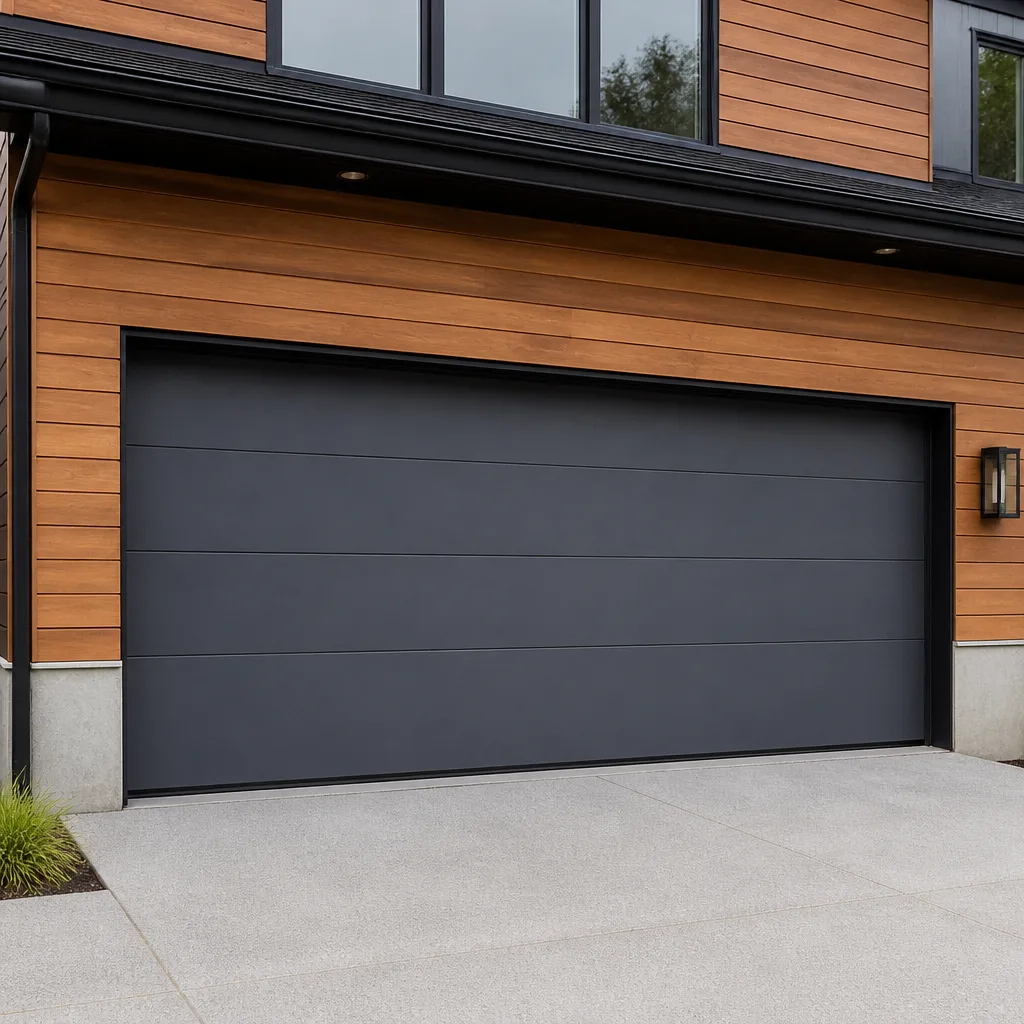 Modern flush
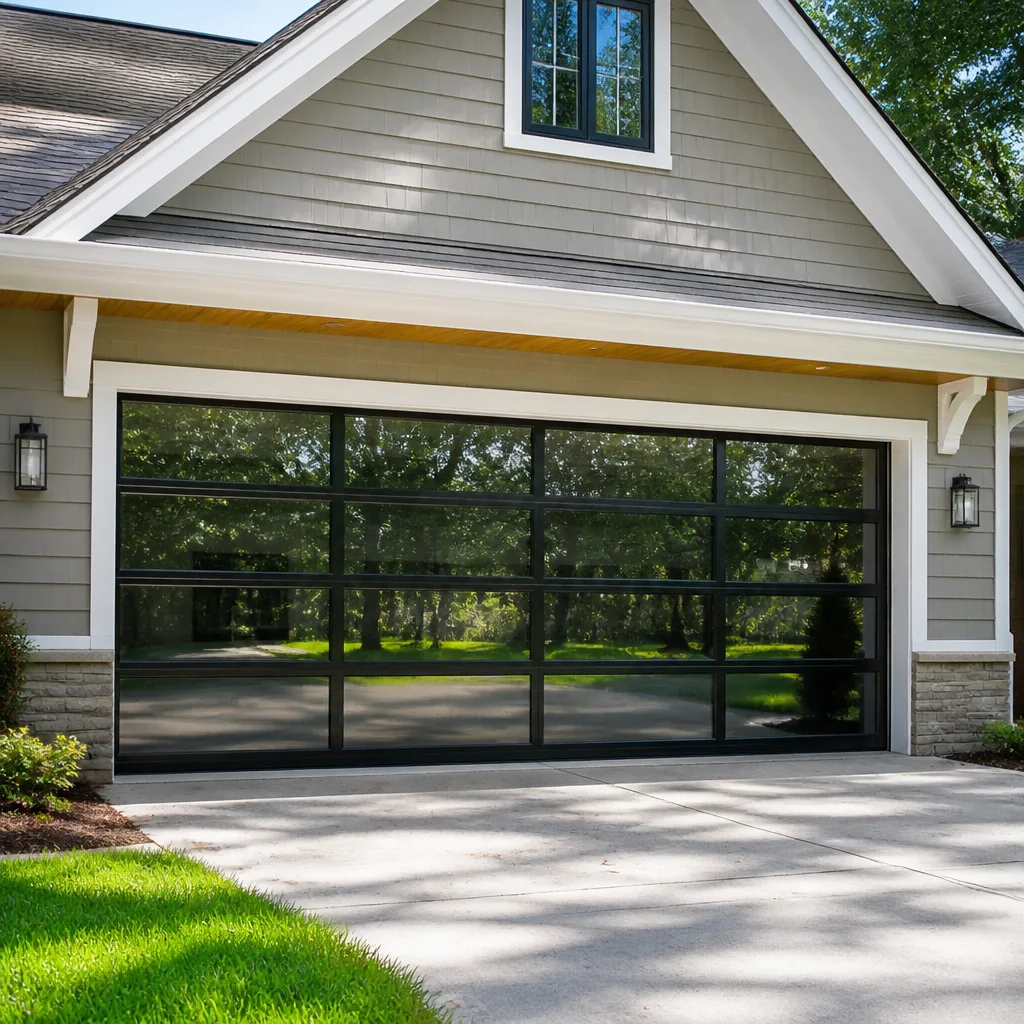 Full-view glass
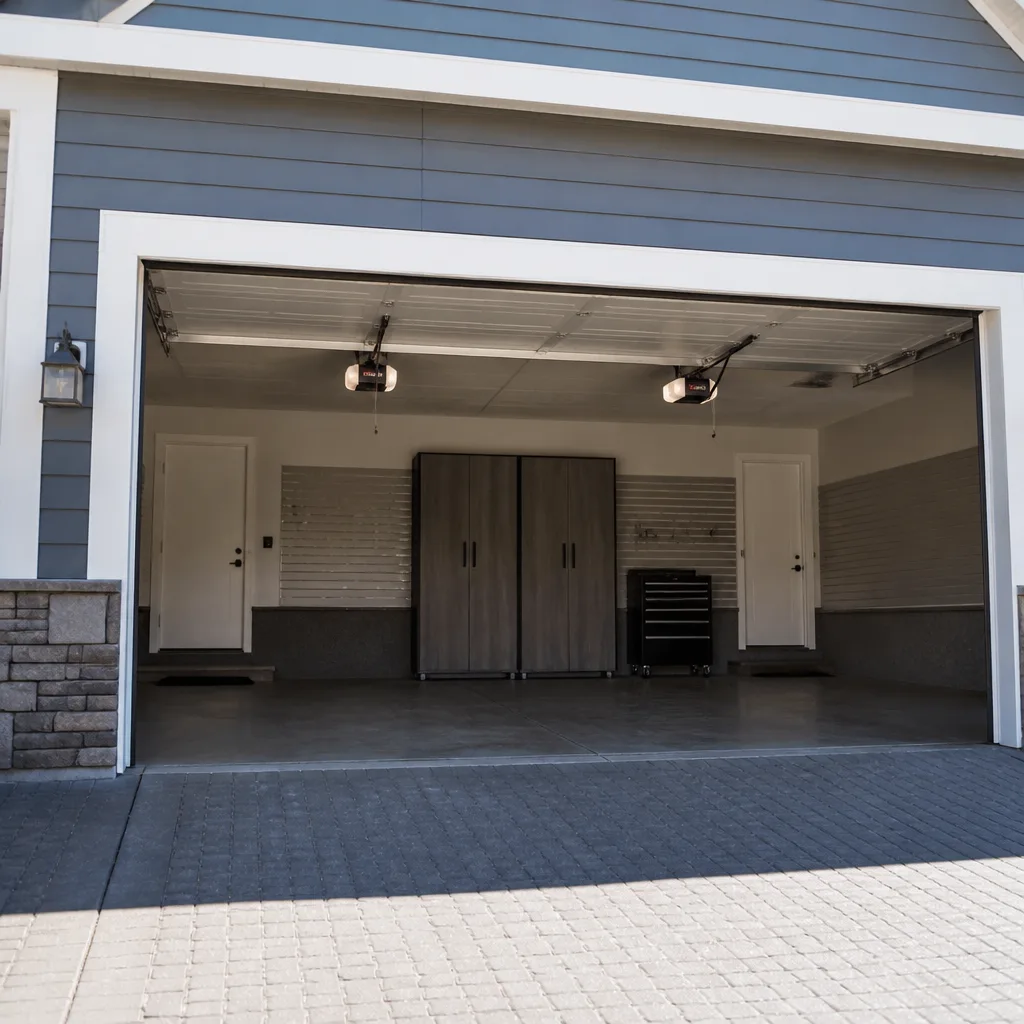 LiftMaster openers
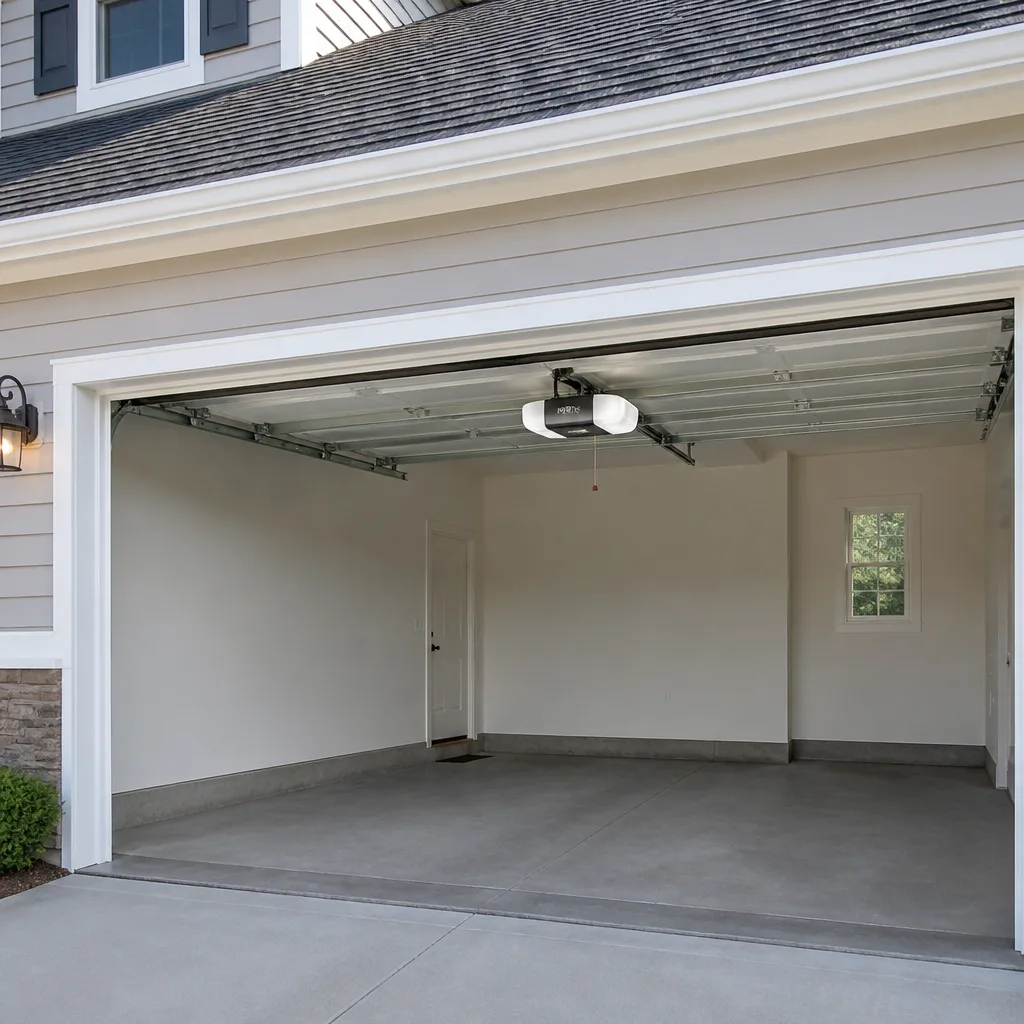 Chamberlain openers
Full 25-point door and opener safety check with every visit - springs, cables, rollers, tracks, and your LiftMaster or Chamberlain opener included
You get a price before we start. It does not change when the pro arrives.
Get your free estimateThe Complete Guide to Garage Doors in Newark
Most garage door guides are written for a homeowner in Phoenix or Portland. Newark is neither. This city sits between the Delaware River and the Delaware Bay, where humid summers, sharp freeze-thaw swings, and clay-heavy soil work together on the same slab of door hardware year after year. Advice built for a dry climate misses what actually breaks here. In this guide, we’ll walk through how Newark’s climate shortens spring life, which door materials survive it, why Clopay and Amarr show up again and again in certain neighborhoods, and how the age of your house quietly shapes what opener and door will even fit. Everything here is written to help you make one good decision, not sell you a door you don’t need.
Quick Answer
A garage door in Newark, DE is a long-term system, not a one-time purchase. Steel doors in the 24- to 26-gauge range with a factory finish handle this climate best, torsion springs here tend to cycle faster than the national average because of humidity and freeze-thaw movement, and homes built before 1990 often have tighter header clearance that limits which openers and doors will fit without modifications. Repair what’s sound, replace what isn’t, and get the brand and gauge right the first time so parts stay available down the road.
Styles & brands we work with
- Raised-panel steel
- Carriage house
- Modern flush
- Full-view glass
- LiftMaster openers
- Chamberlain openers
Table of Contents
- How Newark’s Climate Affects Garage Door Hardware
- Why Springs Fail Faster in Newark Than the National Average
- Which Door Materials Hold Up Best in Newark
- Brand Penetration in Newark Neighborhoods and What It Means for Parts
- How Home Age Changes Header Clearance and Opener Compatibility
- Repair or Replace? Reading Newark’s Resale Market
- Opener Repair: Why Brand Matters More Than You Think
- What Garage Door Work Costs in Newark
How Newark’s Climate Affects Garage Door Hardware
The single biggest factor in garage door longevity in Newark isn’t the brand on the box. It’s the climate the door lives in. Newark sits in a corridor of humidity that pushes moisture into every seam, hinge, and spring coil, and then winter arrives with repeated freeze-thaw cycles that expand and contract steel dozens of times over a season. That combination is harder on door hardware than either a hot dry climate or a consistently cold one.
Here’s what that means in practice for a Newark homeowner:
- Moisture creep into hinges and rollers. Humid summers let moisture settle into pivot points. Ungreased hinges start to squeal and grind, and rollers flat-spot against the track. In our experience, doors that go two or more years without lubrication show visible wear that a dry-climate door wouldn’t see in five.
- Expansion and contraction in the tracks. Steel tracks move with temperature. When they’re mounted slightly too tight or too loose, that movement turns into misalignment, which turns into a door that binds, jerks, and stresses the opener motor.
- Wood and composite swelling. Wood composite and solid wood doors absorb moisture at their edges. In Newark, that shows up as sticking panels, cracked paint at the bottom rail, and frames that no longer sit square.
- Clay-heavy soil and slab movement. Newark’s clay soils hold water and swell, then shrink as they dry. That slow movement tilts the garage slab just enough that a door which closed cleanly last spring now scrapes the floor on one side.
None of this means a Newark door is doomed. It means maintenance intervals here should be tighter than the generic “once a year” advice you’ll read online, and it means material choice matters more than it does in a milder climate. A door rated for the Midwest will survive Newark, but the gauge, finish, and hardware quality separate the ones that last from the ones that rust through at the bottom panel within a few winters.
Why Springs Fail Faster in Newark Than the National Average
Torsion springs are rated by cycles, and a cycle is one open and one close. Nationally, the industry treats a standard spring as good for a certain number of cycles before it’s expected to be replaced. In Newark, the practical reality is that springs reach the end of their life sooner than the rating suggests, because humidity accelerates corrosion on the spring wire and freeze-thaw movement adds stress that the cycle count alone doesn’t capture.
A corroded, pitted spring doesn’t just fail sooner. It can fail more suddenly, and it fails in a way that’s genuinely dangerous. That’s exactly why spring work is a job for a trained technician and not a homeowner project. The energy stored in a wound torsion spring is enough to cause serious injury, and the tools and technique needed to release it safely aren’t standard homeowner equipment.
Signs a Newark Spring Is Nearing the End
- The door feels heavy when you lift it manually. A properly balanced door lifts with one hand. A door that fights you is telling you the spring has lost tension.
- The door opens a foot and stops. If the opener strains and the door barely budges, the spring is the first thing to check.
- You hear a loud bang from the garage. A snapped torsion spring usually announces itself. The door will often stay shut or drop partway and refuse to move under the opener.
- Visible gaps or a stretched coil. A gap in the coil, a stretched spring, or a spring that looks rusted through is a clear replacement signal.
- Uneven travel. If the door rises on one side before the other, the spring system is out of balance and needs a professional look.
Spring replacement on a two-spring door is normally done as a matched pair. Replacing one spring while its partner is the same age usually means you’re back in the garage within months for the other one. Our garage door spring repair is built around getting the pair, the winding, and the balance right the first time, and it’s a job worth doing correctly rather than patching.
Which Door Materials Hold Up Best in Newark
Material choice is the decision with the longest tail. The door you pick today is the door you live with for years, through every humid August and every freeze-thaw February. For Newark’s climate mix, three families of material make sense, and each has trade-offs worth knowing before you shop.
Steel: The Newark Default
Steel is the most common residential garage door in Newark, and it’s the sensible choice for most homes here. Gauge is the number that matters. A 24- or 26-gauge steel door is sturdier and holds up better to dent and warp than a thin 28-gauge door, and in a humid climate the extra rigidity keeps panels from flexing and trapping moisture at seams. The finish matters just as much: a factory-applied, baked-on finish resists rust far better than a field-painted door, which is exactly what you want in a place where humidity does the slow work of corrosion.
Steel doors are also the easiest to keep in parts. Hinges, rollers, and bottom seals are standardized, which means a repair years down the road doesn’t depend on a special order.
Aluminum: Light and Corrosion-Resistant
Aluminum doors resist rust better than steel and stay light, which reduces strain on the opener and springs. The trade-off is dent resistance. Aluminum dents more easily than steel, so it’s a better fit for a sheltered garage than one that takes a stray basketball every summer. For a homeowner who wants low maintenance and isn’t worried about impacts, aluminum is a solid pick.
Wood Composite: Beautiful but Demanding
Wood composite and solid wood doors give a home curb appeal that steel can’t match, and in older Newark neighborhoods that aesthetic matters. But wood absorbs moisture, and in a humid climate that means swelling, sticking, and paint that cracks at the edges. A wood door in Newark needs regular sealing and repainting to stay sound. Choose it because you want the look and you’re willing to maintain it, not because it saves you work.
What to Weight First in Newark
- Gauge over color. A thick, well-finished steel door beats a prettier thin one.
- Factory finish over field paint. It resists humidity better and lasts longer before you have to refinish.
- Insulation for attached garages. If the garage shares a wall with living space, an insulated door helps keep the house comfortable and cuts noise.
Brand Penetration in Newark Neighborhoods and What It Means for Parts
Brand distribution in Newark isn’t random. Certain builders and certain eras favored certain manufacturers, and that shows up block by block. Knowing which brand is likely on your door isn’t trivia. It tells you what parts the technicians already know, what openers pair with it, and how quickly a repair can move from diagnosis to fix.
Where You’ll See Clopay
Clopay is one of the most widely installed residential brands in the country, and Newark is no exception. In the newer development pockets and the residential subdivisions that grew up over the past few decades, Clopay doors are common. That’s good news for a homeowner here: Clopay parts are easy to source, and technicians see the brand often enough to know its panel profiles and hinge patterns without guesswork.
Where You’ll See Amarr
Amarr shows up strongly in the neighborhoods built with production homes in the 1990s and 2000s, particularly the developments that filled in around the edges of the city. Amarr’s steel door lines were a favorite for builders who wanted a dependable door at a predictable price. If your home was built during that stretch, there’s a good chance you’re looking at an Amarr door or a very similar steel profile.
What This Means for You
- Parts availability is usually good. Clopay and Amarr are both widely distributed, which means a broken hinge or panel can often be replaced without a long wait.
- Brand matters for diagnosis. A technician who knows the door brand can often tell what’s wrong before opening the toolbox, because failure patterns repeat by model.
- Opener compatibility is easier to confirm. If your door is a known model from a common brand, matching an opener and its safety settings is faster and safer.
That brand familiarity is the reason we focus on eight of the most widely installed residential door lines, including Clopay, Amarr, Chamberlain, Genie, LiftMaster, Wayne Dalton, Craftsman, and Raynor. If your door is one of those, a garage door repair diagnosis moves faster and usually ends in a fix rather than a special order.
How Home Age Changes Header Clearance and Opener Compatibility
Two homes on the same Newark street can need completely different garage door solutions depending on when they were built. The reason is header clearance, the height of the opening between the top of the door and the ceiling of the garage. That measurement decides which openers fit, how the door operates, and sometimes whether a modern door will work at all without modification.
Pre-1990 Homes
Older Newark homes often have tighter, lower garage openings and less overhead clearance. That matters in three ways. First, low clearance limits you to a low-headroom opener or a door that operates differently than the standard install. Second, older garages may have a header that’s settled or been modified over time, so a technician has to measure carefully before ordering anything. Third, older homes were built with doors and openers that have long since been replaced, sometimes more than once, so what’s on the door now may not match the era of the house.
On older homes, opener compatibility is the gotcha. A high-end opener that needs specific clearance won’t fit a garage that doesn’t have it, and forcing it wastes money and shortens the opener’s life. A proper measure before the order prevents that.
Newer Construction
Homes built in the past couple of decades generally have more generous, standardized clearances and are set up for common opener types. That makes a garage door opener repair or replacement more predictable, and it makes new-door installation simpler. The trade-off is that builders sometimes installed a lighter-duty door or opener to hit a price point, so a newer home isn’t automatically a better setup. Worth checking what’s actually there before assuming it’s upgrade-ready.
What to Check on Any Newark Home
- Header clearance: measure the distance from the top of the door to the ceiling.
- Side clearance: measure from the door edge to the wall for track space.
- Backroom: measure the distance from the door to the back wall, since a door needs room to travel when open.
- Opener era: confirm what’s installed now and whether it has modern safety reversal built in.
Repair or Replace? Reading Newark’s Resale Market
Fewer decisions cost more regret than deciding whether to repair a garage door or replace it. The answer isn’t “always replace” or “always repair.” It’s a matter of what the door is telling you, what your home needs, and what Newark’s housing market rewards.
When a Repair Is the Right Call
Most failures on a structurally sound door are repairs. A broken spring, a snapped cable, a failed opener, a bent track, a worn hinge: none of these are reasons to replace a door. If the panels are straight, the frame is solid, and the finish is holding, repairing is almost always the sensible move. It’s less expensive, faster, and keeps a door that still has life in it.
When a Replacement Makes More Sense
- The door is out of balance and won’t stay fixed. If a door has been repaired repeatedly and keeps losing balance, the underlying hardware may be too worn to hold.
- Panels are rusted through or warped. Rust that’s eaten through the bottom panel or warping that won’t sit flat is a structural problem, not a spring problem.
- The door is a mismatched, hand-me-down setup. Older doors installed before modern safety standards may lack reversal protection and other features worth having.
- The home is heading to market. A garage door is one of the most visible exterior features of a home, and a worn or noisy door undercuts curb appeal at exactly the wrong moment.
- You’re planning to stay and the door is over its service life. A door that’s nearing the end of its useful life, especially a wood door in this climate, is a candidate for replacement before it starts costing repairs.
Newark’s resale market rewards a clean, functional garage door. Buyers notice the sound a door makes and whether it closes straight. If you’re selling within a year or two and the door is on its last legs, a replacement does double duty: it fixes the daily problem and improves how the home shows. Our garage door repair work is the place to start if the door is sound, because a straightforward repair is often all that’s needed.
Opener Repair: Why Brand Matters More Than You Think
When an opener fails, the diagnosis depends heavily on which brand you own. Openers aren’t interchangeable, and treating every opener as if it works the same way leads to wasted time and wrong parts. LiftMaster and Chamberlain share a lot of engineering, Genie has its own logic and safety patterns, and Craftsman units follow their own quirks. A technician who works across all of them can often know what’s wrong before the truck is even in the driveway.
Common Opener Failures in Newark
- The opener runs but the door doesn’t move. Usually a stripped gear in the opener, or a broken spring or cable. Diagnosis matters, because the fix is different.
- The door opens and closes unevenly. Likely a track issue or a door that’s off balance rather than an opener problem at all.
- The opener won’t respond to the remote. Could be a remote, a battery, or the logic board. Brand knowledge narrows it fast.
- The safety reversal fails. If the door won’t reverse when it meets an obstacle, stop using it and call. That’s a safety issue that needs attention before the door is used again.
Repairing the opener on a Newark door is usually faster and less expensive than replacing it, especially when the brand is one the technician knows well. Our garage door opener repair covers the major residential brands, which cuts the guesswork and shortens the wait for parts.
What Garage Door Work Costs in Newark
Pricing for garage door work is per job and set by a written estimate after the door has been measured and inspected. What we can give you is a general sense of how the costs break down so you know what you’re looking at before you call. The estimates below are typical ranges for the work, not a quote, and the written estimate you receive sets the final price before any work begins.
Typical Estimated Ranges
| Service | Typical Estimated Range |
|---|---|
| Spring repair (one spring) | $180 – $340 |
| Matched pair of springs | Roughly twice the single-spring range |
| Opener repair | $120 – $280 |
| General door repair (track, hinge, roller, cable) | $150 – $350 |
| New door installation | Varies widely by material, gauge, and size |
A few notes that matter for Newark specifically. Spring pricing is for one spring. Because a matched pair is usually replaced together, a pair costs about twice the single-spring range. A door that’s been out of balance for a while often needs more than just springs, which is why the estimate happens after inspection, not over the phone.
New-door installation depends heavily on the material choice we covered above. A steel door in a thicker gauge costs more than a thin one, and an insulated door costs more than a non-insulated one. Because the door has to be measured and ordered, installation is scheduled rather than immediate. What we can promise is a free measure and a written price before anything is ordered.
Will the Price Change Once You See It?
No. The price you agree to before work starts is the price for the work described in the written estimate. If the technician finds something different once the door is opened up, you’ll hear about it before any additional work happens, and you decide whether to proceed. That’s how it works on every job.
Can You Come Today?
For repair calls, we can often get a technician out the same day. Call (888) 561-7809. We answer 24/7. Fast dispatch from 7am to 7pm, Sunday through Friday. For a new door or a full replacement, the work is measured, ordered, and scheduled, so a free measure and a written price come first.
Common Mistakes to Avoid
We’ve seen the same few missteps cost Newark homeowners time and money more than once. Each of these is avoidable.
- Replacing one spring instead of the pair. Matched springs wear out together. Replacing one leaves you back in the garage within months for the other, so it’s usually cheaper to replace both at once.
- Using a general handyman for spring work. Torsion springs are one of the most dangerous parts of a garage door. A handyman without spring-specific training and tools is the wrong call, no matter how capable they are on other jobs.
- Ignoring a door that’s out of balance. A door that’s heavy or uneven is telling you the springs or cables are failing. Continuing to use it strains the opener and can lead to a sudden failure.
- Buying a door before measuring clearance. In older Newark homes especially, header and side clearance can rule out the door or opener you had your heart set on. Measure first, order second.
- Skipping lubrication. In a humid climate, hinges and rollers need attention more often than the generic once-a-year advice suggests. A dry door wears faster and sounds worse.
- Patching a rusted-through door. If the bottom panel is rusted through, patching it is a temporary fix at best. In this climate, rust spreads.
- Assuming a new opener fixes a door problem. An opener can’t compensate for a door that’s off balance or a broken spring. Diagnose the door before replacing the opener.
See the difference
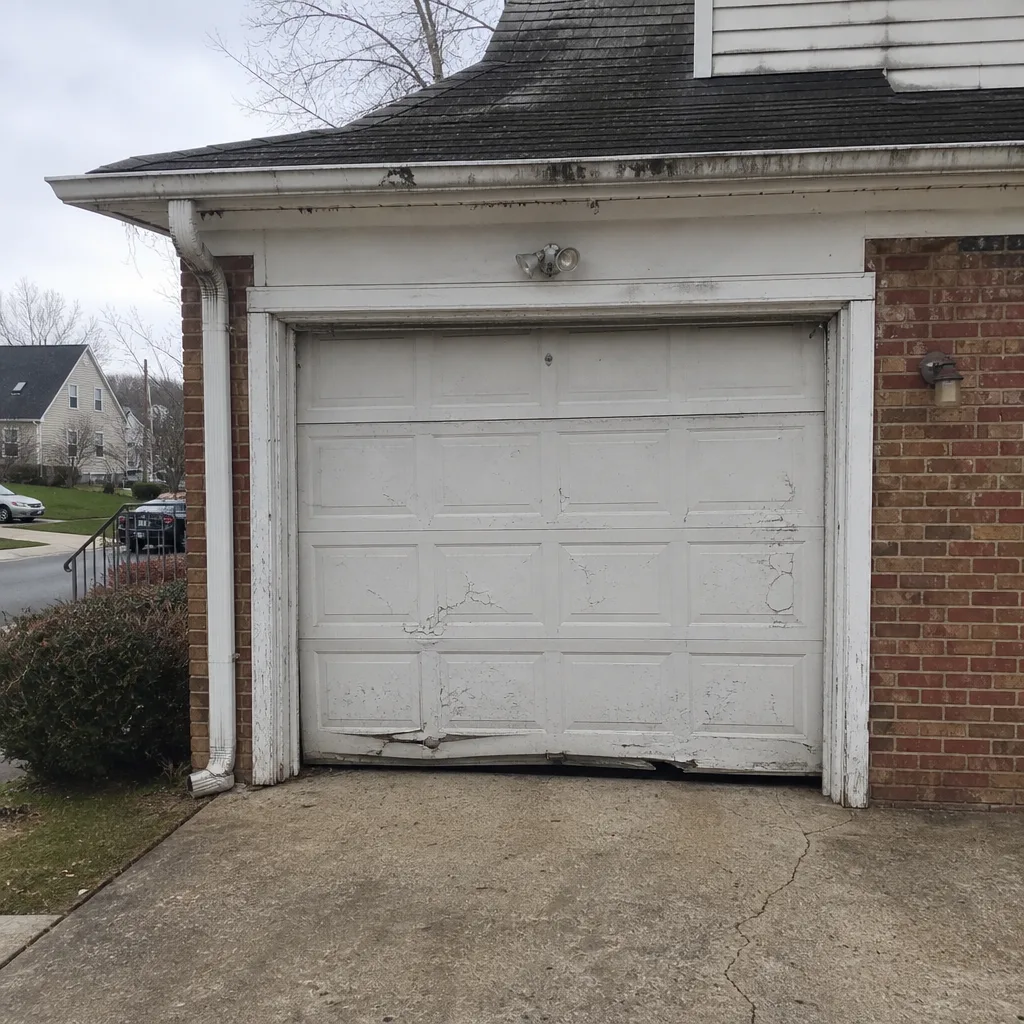 Before
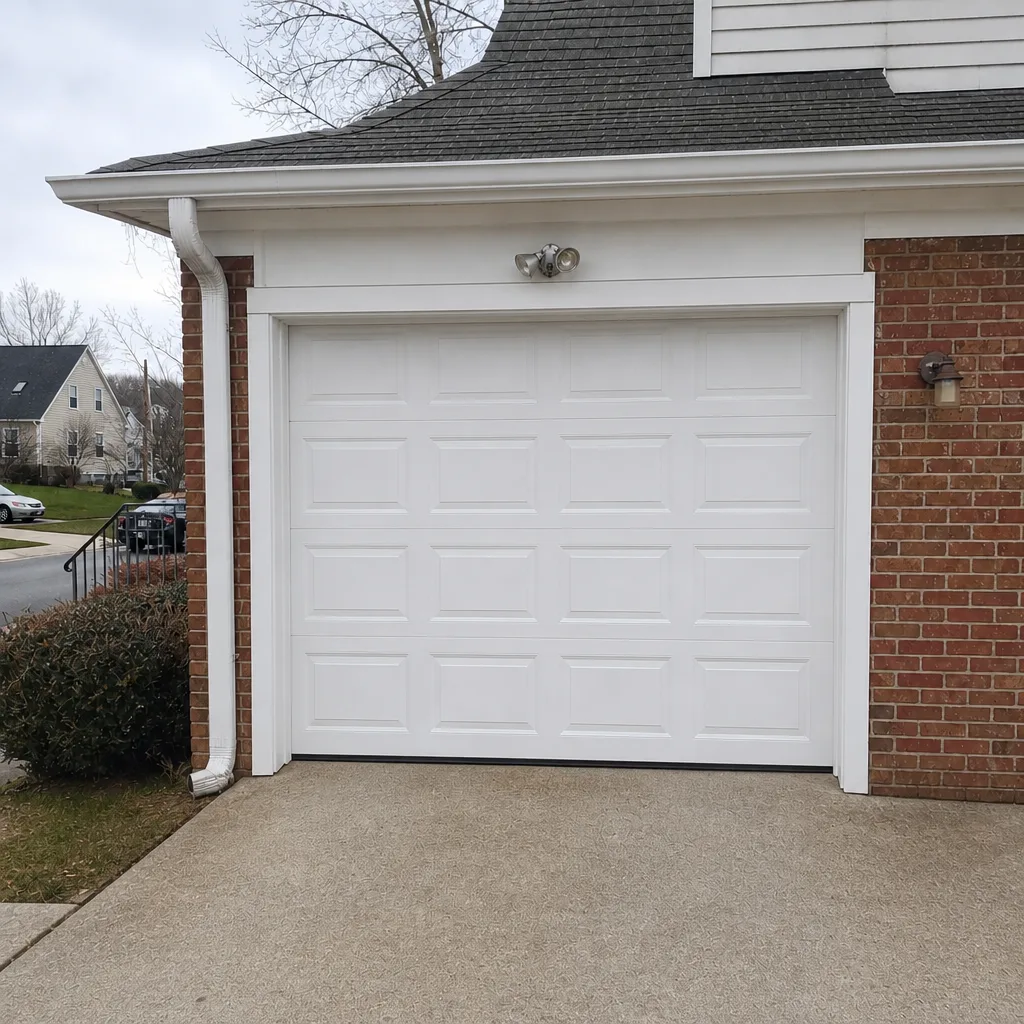 After
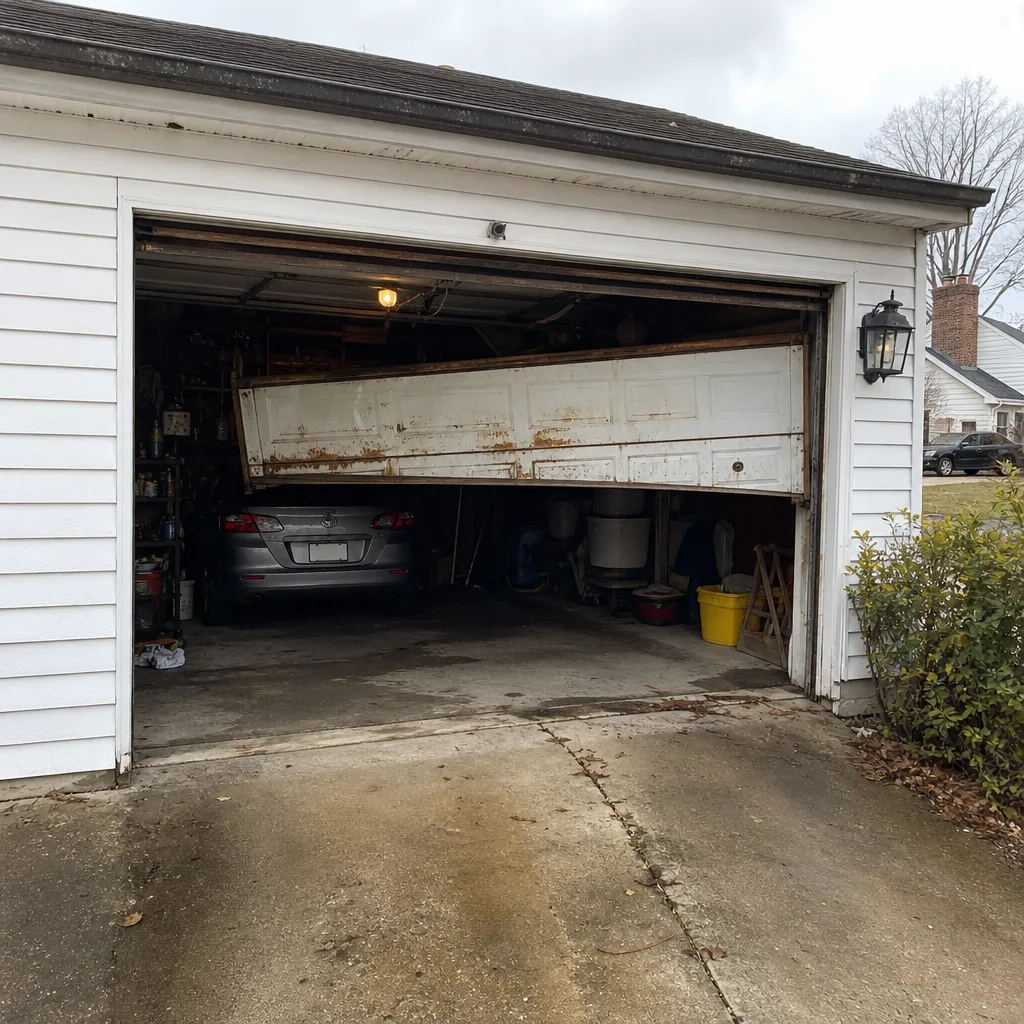 Before
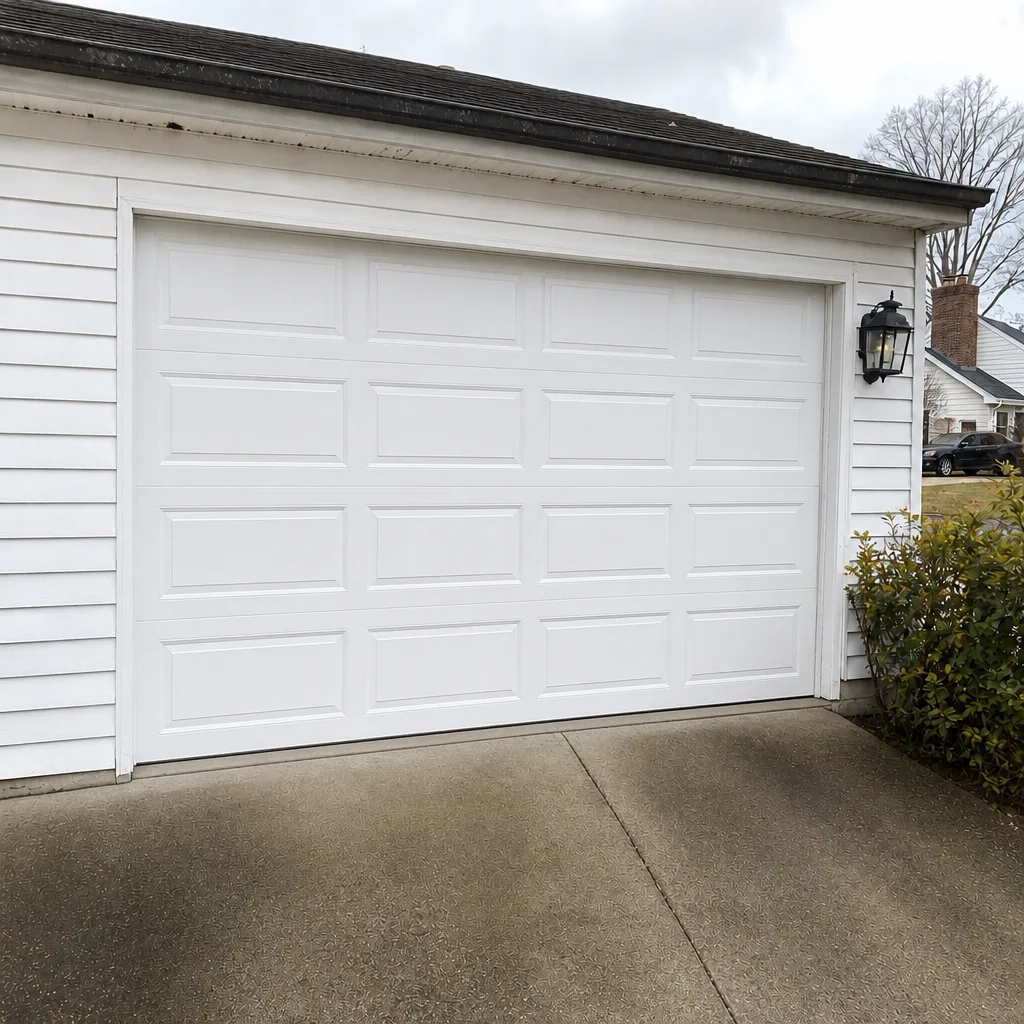 After
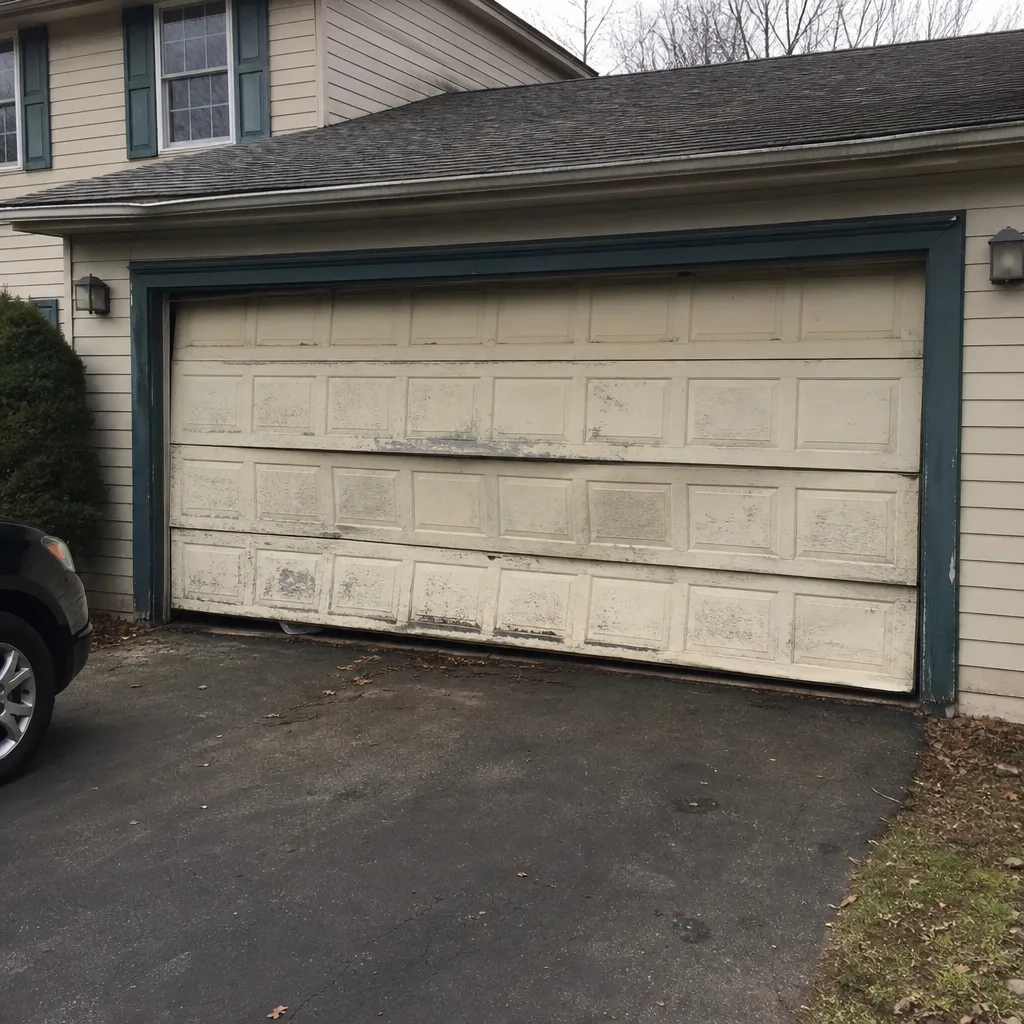 Before
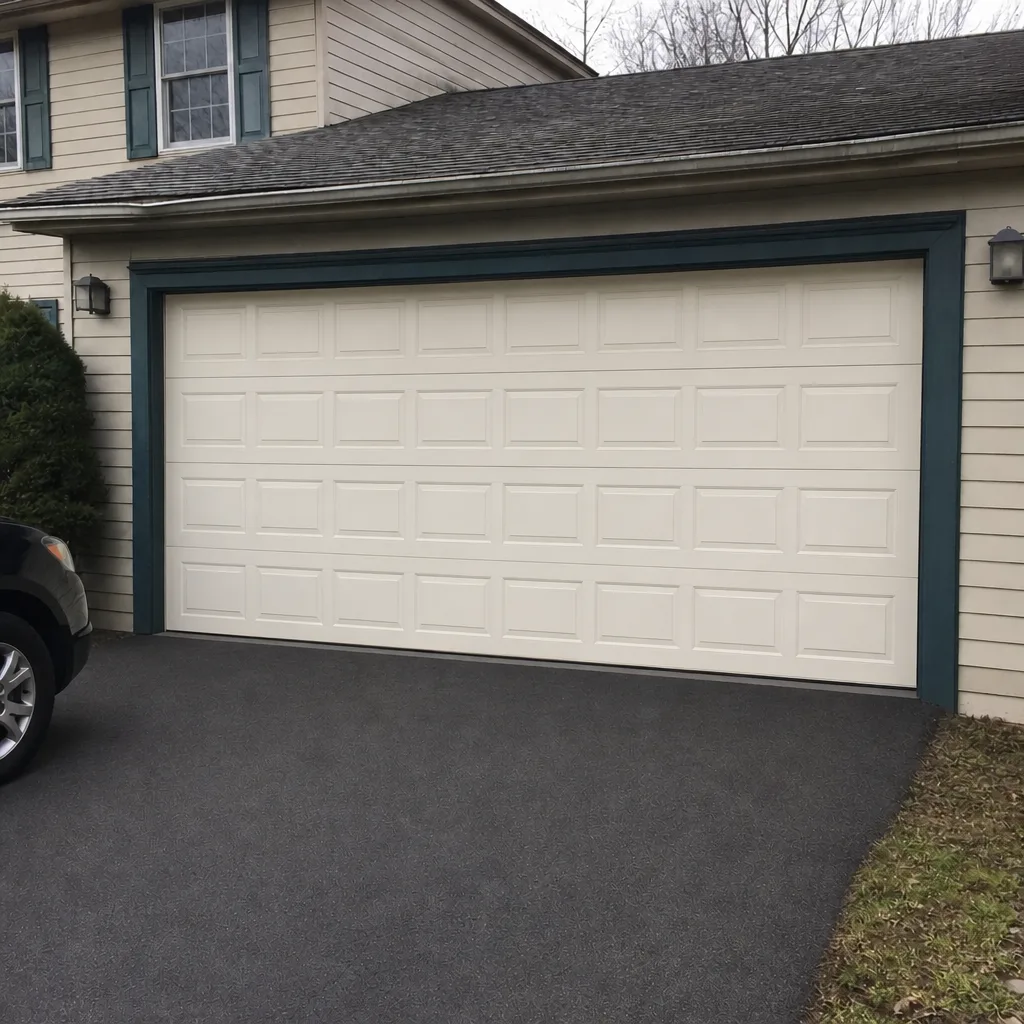 After
When to Call a Professional
Some door problems are safe to watch and some aren’t. Call a professional when the door won’t open or close at all, when you hear a loud bang from the garage, when the door is visibly uneven or off its track, when the safety reversal fails, or when you see broken springs, cables, or hardware. Spring, cable, and track work carries real injury risk, and it’s not a job to attempt alone. For opener problems, a technician can usually diagnose and repair the unit rather than replacing it, which saves money. Newark Garage Door Repair Pros offers free estimates in Newark. Our technicians have up to 10 years of experience and work across eight of the most widely installed residential door brands. Call (888) 561-7809. We answer 24/7. Fast dispatch from 7am to 7pm, Sunday through Friday.
Frequently Asked Questions
Spring repair in Newark typically runs $180 – $340 for a single spring, and a matched pair costs about twice that because both springs are usually replaced together. The final price is set by a written estimate before any work starts. Call (888) 561-7809 for an exact quote. Estimates are free.
For repair calls, same-day service is often available in Newark. Call (888) 561-7809. We answer 24/7. Fast dispatch from 7am to 7pm, Sunday through Friday. A call outside dispatch hours is booked into the next opening, Sunday through Friday, 7am to 7pm. New door and full replacement work is measured, ordered, and scheduled rather than same-day.
We work on eight of the most widely installed residential door brands: LiftMaster, Chamberlain, Genie, Clopay, Amarr, Wayne Dalton, Craftsman, and Raynor. That brand coverage means parts and settings are familiar, not guessed at. If your door is one of those, diagnosis is faster and the repair is more likely to be a straightforward one.
Yes. Humidity accelerates corrosion on spring wire, and repeated freeze-thaw cycles add stress that a simple open-close count doesn’t capture. In practice, springs in Newark tend to reach the end of their service life sooner than national cycle ratings suggest. That’s one reason spring repair is a core part of what we do rather than an afterthought.
No. The price you agree to before work starts is the price for the work described in the written estimate. If the technician finds something different once the door is inspected, you’ll be told before any additional work is done, and you decide whether to proceed. No surprises on the invoice.
The local professionals we connect you with are licensed and insured as their state requires. Our technicians have up to 10 years of experience across the major residential door and opener brands. If you have a specific question about credentials for your job, ask when you call.
Repair if the door is structurally sound and the issue is a spring, opener, cable, track, or hinge. Replace if the panels are rusted through, warped, or the door is a mismatched older unit without modern safety features. A garage door is one of the most visible exterior features of a home, so a door that closes straight and sounds right helps at resale.
The Bottom Line
Garage door decisions in Newark come down to a few things: pick the right material for a humid, freeze-thaw climate, keep the springs and opener in working order, and know when a repair will do versus when a door has run its course. Steel in a sturdy gauge with a factory finish is the sensible default, Clopay and Amarr parts are easy to source in this area, and older homes need a clearance check before anything is ordered. Get the diagnosis right, get the price in writing, and the door does its job for years. When something goes wrong, one call covers it.
Contact
If your garage door won’t open, is making a sound it shouldn’t, or you’re weighing a repair against a replacement, we can help you sort it out. Newark Garage Door Repair Pros handles repair, opener repair, spring repair, new-door installation, and emergency garage door service across eight of the most widely installed brands. Call (888) 561-7809 for a free estimate. We answer 24/7. Fast dispatch from 7am to 7pm, Sunday through Friday.
Written by the team at Newark Garage Door Repair Pros.