
Last updated November 22, 2026
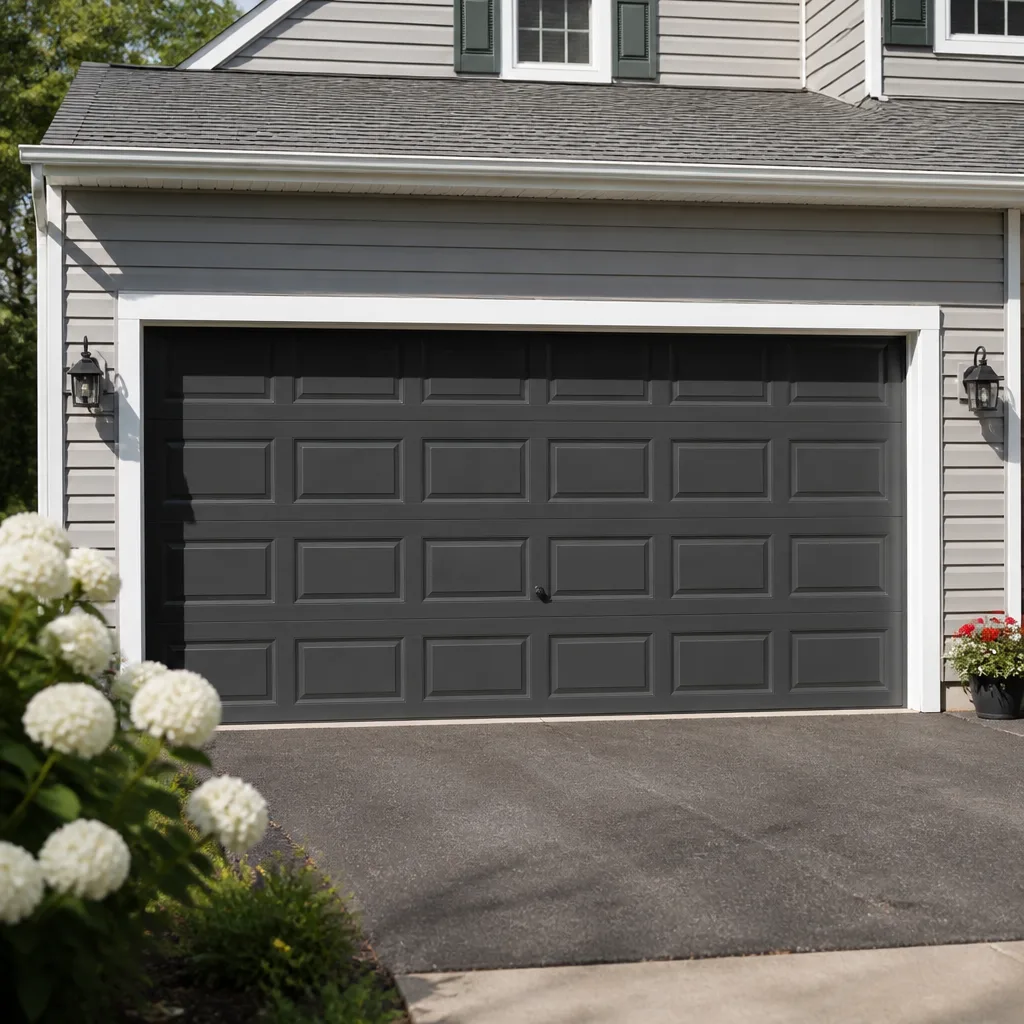 Raised-panel steel
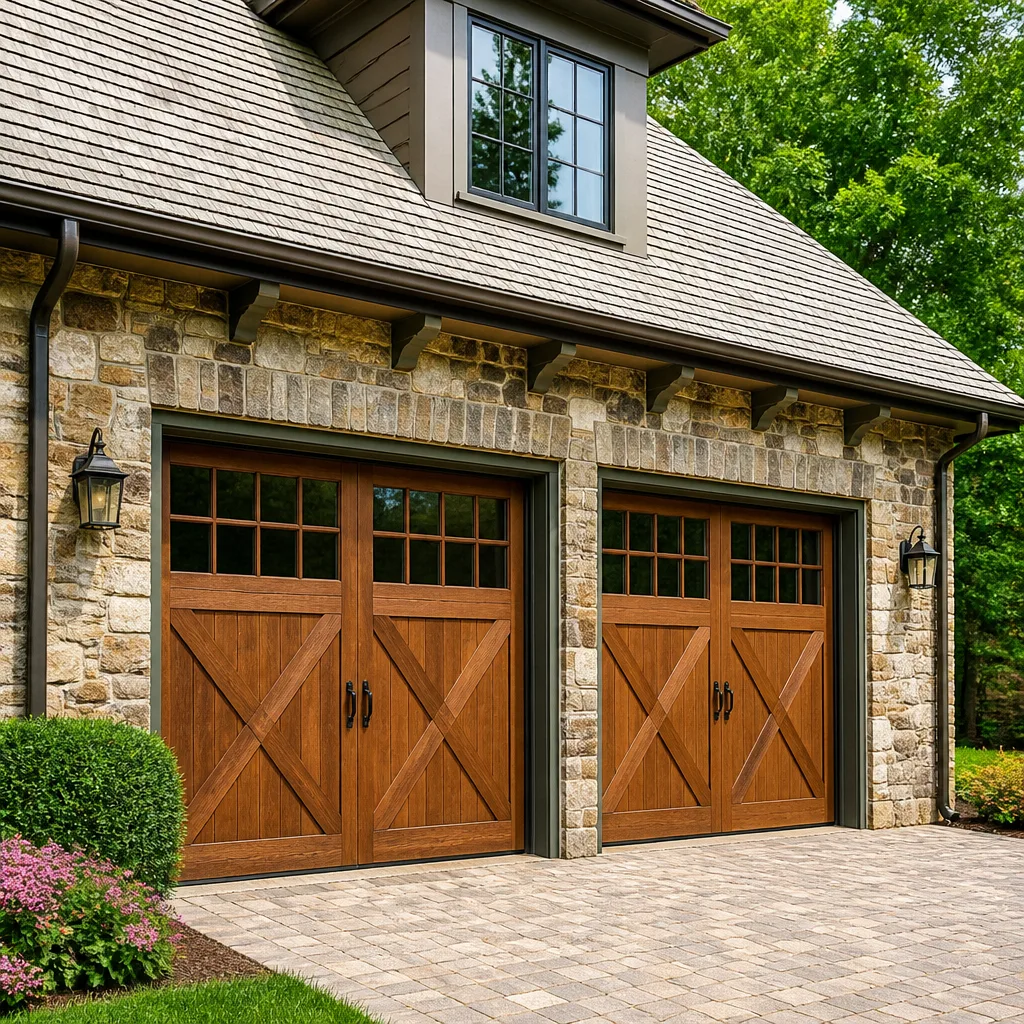 Carriage house
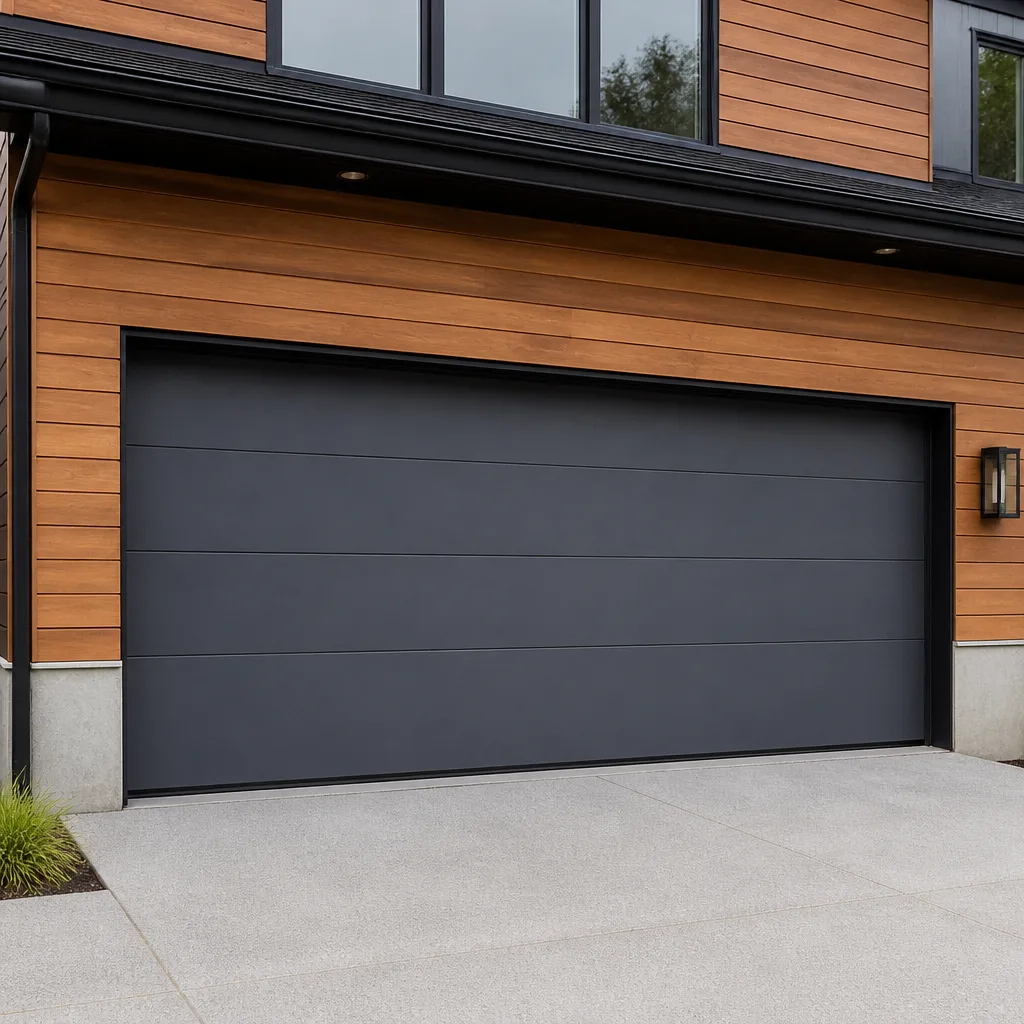 Modern flush
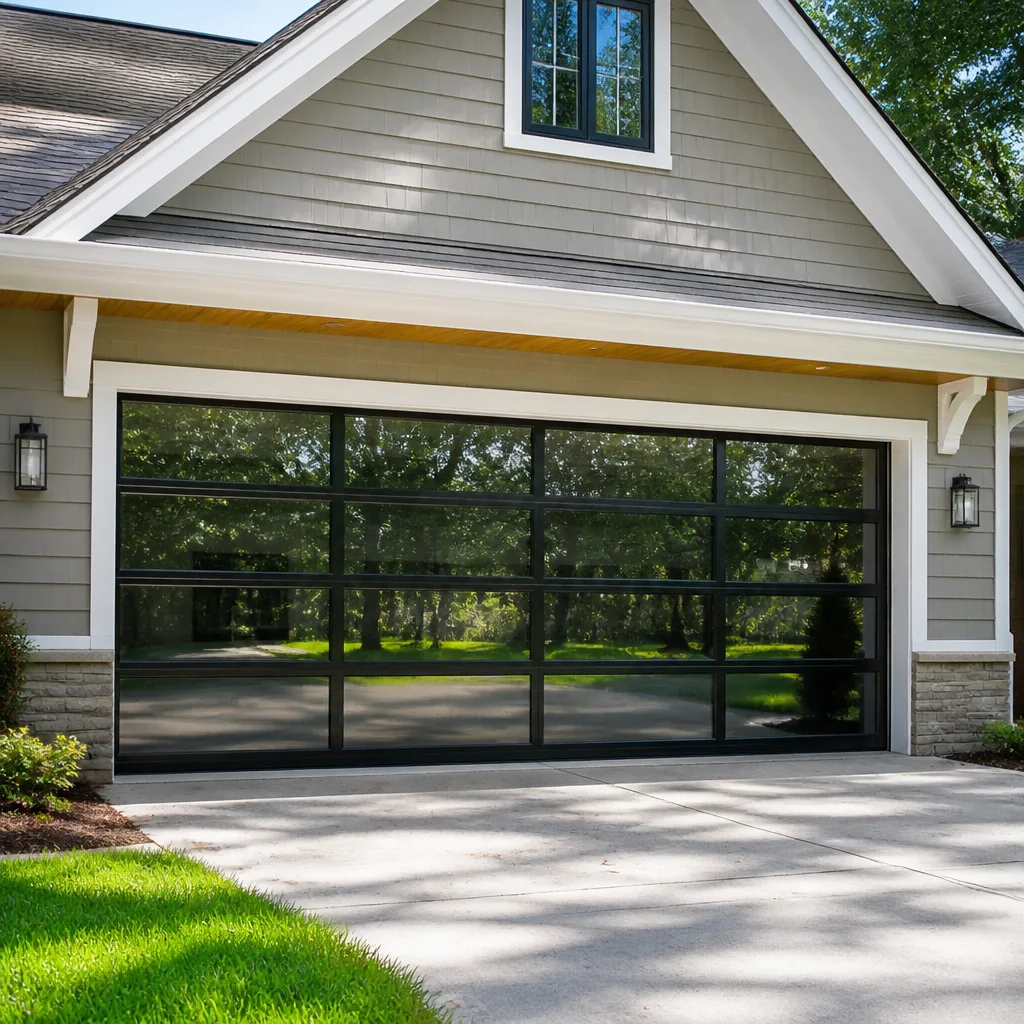 Full-view glass
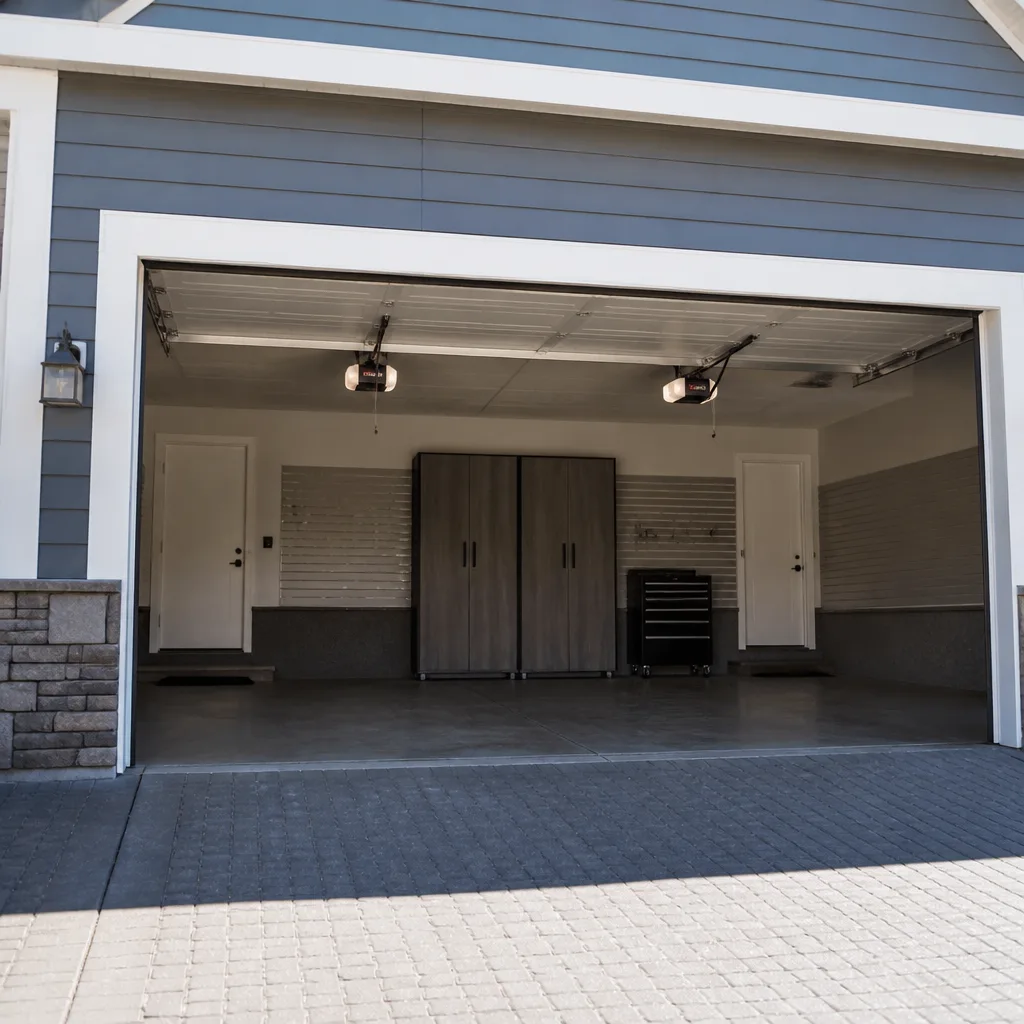 LiftMaster openers
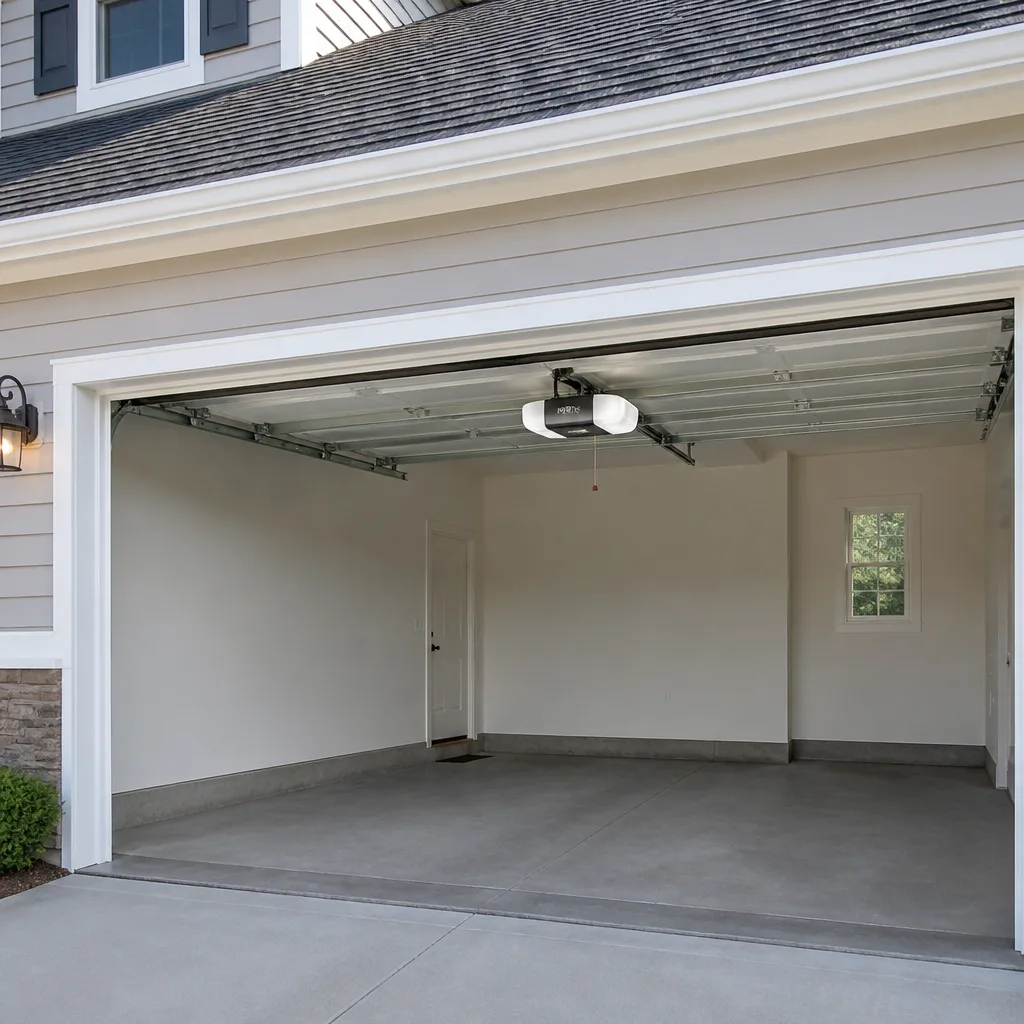 Chamberlain openers
Full 25-point door and opener safety check with every visit - springs, cables, rollers, tracks, and your LiftMaster or Chamberlain opener included
You get a price before we start. It does not change when the pro arrives.
Get your free estimateSeasonal Garage Door Care for Newark: Year-Round Homeowner’s Guide
Most garage door advice tells you to check your door twice a year and call it done. That schedule doesn’t fit Newark. Our winters swing through freeze-thaw cycles that stress springs and seals, our summers push opener motors through long hot cycles, and the damage you overlook in one season tends to show up as the emergency call in the next. In our experience, the parts that fail first in January were already under strain back in July. This guide breaks the year into four separate maintenance events, each with its own tasks and its own warning signs, so you can catch problems while they’re cheap to fix. You’ll learn what to adjust in fall, how to free a frozen door safely in winter, what to inspect each spring, and how summer heat affects your opener.
Quick Answer
Seasonal garage door care in Newark means four distinct rounds of attention: fall adjustments to survive the January freeze, winter handling that protects the bottom seal and opener, a spring inspection sequence for rust, cables, and opener sensitivity, and summer checks on motor heat and photo-eye alignment. The single most important task is a fall tune-up before the first hard freeze, because cold weather is when stressed springs and seals fail. If anything looks bent, frayed, or sounds wrong, stop and call a trained professional rather than adjusting it yourself.
Styles & brands we work with
- Raised-panel steel
- Carriage house
- Modern flush
- Full-view glass
- LiftMaster openers
- Chamberlain openers
Table of Contents
- Why Seasonal Care Matters More in Newark
- Fall Prep: Getting Ahead of the January Freeze
- Winter: When the Door Freezes to the Floor
- Spring: The Post-Winter Inspection Sequence
- Summer: Heat, Motors, and Photo-Eye Drift
- Brand-Specific Seasonal Quirks
- Common Mistakes to Avoid
- When to Call a Professional
Why Seasonal Care Matters More in Newark
Newark sits in a climate with real seasonal range, and that range is what wears a garage door down. The door is a large moving assembly made of metal, springs, cables, rollers, and a motor, and every component expands, contracts, and flexes as temperatures move through the year. A spring that holds up fine in mild weather can snap on the first cold morning because cold makes steel less forgiving. A bottom seal that seals well in summer can harden and tear in February. Heat does its own damage, pushing opener motors harder and shifting the alignment of the safety sensors.
The failure sequence usually follows the seasons. Summer heat and long cycles add stress. Fall brings the first sharp temperature swings. Winter delivers the freeze that breaks tired parts. Spring reveals what the winter did, in the form of rust, frayed cables, and a door that no longer tracks smoothly. Newark homeowners who treat each season as its own maintenance event break that sequence early. The ones who don’t tend to meet us on the worst possible morning.
This is also where brand familiarity helps. A LiftMaster, Chamberlain, Genie, or Craftsman opener each reacts a little differently to temperature shifts and has its own adjustment points. Knowing the brand before the inspection starts saves time and keeps a technician from guessing at settings. That’s part of why we work on eight of the most common residential brands, from LiftMaster and Chamberlain to Clopay, Amarr, Wayne Dalton, and Raynor. Whatever’s on your door, the seasonal care below applies, with a few brand notes to watch.
The good news: most seasonal care is inspection and small adjustment, not repair. You’re looking for the warning signs before they turn into a breakdown. Start with the coming season and work forward.
Fall Prep: Getting Ahead of the January Freeze
Fall is the most important maintenance window of the year for a Newark garage door. The work you do in October and November is what carries the door through the hardest stretch of winter. Our freeze-thaw pattern is the reason: temperatures that rise above freezing by afternoon and drop below it at night put a door through repeated expansion and contraction, and any part already under stress will find its breaking point. A fall tune-up is the cheapest insurance against a mid-winter emergency call.
Work through these fall tasks before the first hard freeze:
- Lubricate the moving parts. Rollers, hinges, and the torsion bar benefit from a proper garage door lubricant. This reduces strain on the springs and helps the door run quietly in cold weather.
- Inspect the bottom seal. Run your hand along it and look for cracks, hardening, or gaps. A seal that’s already stiff will fail once freezing temperatures hit, letting cold air and moisture under the door.
- Check the weatherstripping and the gap at the floor. If daylight shows under the door, the seal is either worn or out of adjustment, and winter will find that gap.
- Test the door balance by hand. Disconnect the opener (pull the release cord) and lift the door partway. A balanced door should stay put. One that drops or feels heavy points to spring strain that cold weather will make worse.
- Look and listen for spring warning signs. A gap in a torsion spring, a stretched extension spring, or a door that slams shut instead of easing down are all flags. Springs are the most common and most dangerous point of failure, and they deserve a professional look before winter.
- Test the opener’s safety reverse. Put a small object in the door’s path and confirm the door reverses on contact. Sensitivity settings that worked all summer can drift, and cold weather can shift them further.
If the balance test or spring inspection turns up anything, don’t wait for the freeze. Our garage door spring repair is a named specialty, handled in-house rather than referred out, and fall is the right time to address a stressed spring before it breaks in January. One call covers it.
Winter: When the Door Freezes to the Floor
A garage door frozen to the floor is one of the most common winter problems we hear about in Newark, and one of the easiest to make worse. The temptation is to hit the opener and force the door up. Don’t. Pulling a door that’s frozen to the floor can damage the bottom seal, strain the opener, and put extra load on the springs and cables. The fix is patience and a little care, not force.
Here’s how to handle a frozen door without damaging it:
- Stop cycling the opener. If the door doesn’t lift on the first attempt, release the opener and let the door sit. Repeated attempts put strain on the motor and the springs.
- Free the seal gently. Use a shovel or a soft tool to break the ice along the bottom edge, and warm water (not hot) to loosen the seal from the floor. Never pry or chip at the seal with a hard metal edge.
- Check the seal before reopening. Once free, look at the bottom seal for tears or cracks the ice may have caused. A damaged seal is a spring problem waiting to happen if it lets moisture in.
- Clear the tracks. Snow, ice, and grit in the tracks cause the door to bind. Keep them clear so the door travels freely.
The other winter risk is the opener. Cold makes the mechanism stiffer, and an opener that was already straining will struggle more. If the door runs slowly, sounds labored, or stops partway, it’s worth a look at the opener and the door balance together. If your door fails on a Saturday, we’re closed that day, but you can call and we’ll book you for Sunday. When the door gives out and you need it back up and running, emergency garage door service is a core part of what we offer, not an add-on. We answer 24/7, with fast dispatch from 7am to 7pm, Sunday through Friday. Call (888) 561-7809.
Spring: The Post-Winter Inspection Sequence
Spring is when you find out what winter did to your door. The freeze-thaw cycle stresses metal, moisture works its way into seams, and the parts that held on all winter often show their wear once the thaw arrives. A structured inspection in spring catches rust, cable fraying, and opener drift before they turn into a summer or fall breakdown. Work through the sequence in order, from the outside of the door inward.
Step 1: Rust and corrosion. Check the door panels, hinges, and the bottom section first, since that’s where moisture collects. Rust on a steel door or pitting on the hardware signals it’s time for cleaning, touch-up paint, or lubrication. Left alone, rust weakens the panel and the moving parts.
Step 2: Cables. Look at the cables running along the sides of the door. Fraying, kinks, or a cable that’s come off its drum are serious. Cables are under high tension and are not a DIY item. If you see fraying, stop and call a professional.
Step 3: Springs. Check for gaps in torsion springs or stretched extension springs. A spring that survived the winter under stress may be closer to failing than it looks. This is the moment to have it checked.
Step 4: Rollers and tracks. Rollers should roll smoothly and tracks should be straight and clear. A bent track or a worn roller causes the door to bind, and binding puts strain on the opener and springs.
Step 5: Opener sensitivity and safety reverse. Test the auto-reverse and the force settings. Winter can shift them, and a door that no longer reverses on contact is a safety problem. This is also where brand matters: LiftMaster, Chamberlain, Genie, and Craftsman openers each have their own adjustment points, and knowing the model helps a technician dial it in correctly rather than guessing.
If the spring check turns up a problem, our garage door repair covers spring and cable work together, so you don’t need to coordinate two contractors. Springs and cables are safety-critical, and precision matters more than speed here.
Summer: Heat, Motors, and Photo-Eye Drift
Summer heat is hard on the part of the system you don’t see: the opener motor. Long, hot days mean more cycles and more heat buildup, and an opener that runs hot runs less efficiently. This is also the season when photo-eye alignment drifts, especially on garages that face south and take direct sun most of the day. A door that won’t close for no obvious reason is often a photo-eye problem, not a motor problem.
Summer tasks to work through:
- Check photo-eye alignment. The safety sensors at the bottom of the tracks should face each other squarely. Sun glare, a bumped track, or a dirty lens can break the beam. Wipe the lenses and confirm the indicator lights are steady.
- Listen to the motor. A grinding, rattling, or straining sound in hot weather points to wear or a door that’s out of balance, which forces the motor to work harder.
- Watch for heat-related strain. If the opener struggles on hot afternoons, the door balance or the opener’s force settings may need attention. Brand familiarity helps here: a Genie or Wayne Dalton setup adjusts differently from a Chamberlain or LiftMaster system.
- Lubricate again. A mid-summer lubrication pass keeps the door running smoothly through the hottest stretch and reduces strain on the opener.
If your opener is the problem, our garage door opener repair covers the major residential brands, and a brand-aware diagnostic cuts the guesswork. Summer is also a good time to plan a replacement if the door is nearing the end of its life, since installation is measured, ordered, and scheduled rather than rushed. If you’re thinking about a new door from Clopay, Amarr, or Raynor, summer is a sensible time to get a free measure and a written price so the work is ready before the cold returns.
Brand-Specific Seasonal Quirks for Newark Homes
Most of the seasonal care in this guide applies to any door, but the opener and door brand on your house changes a few details. Newark homes carry a mix of the most widely installed residential brands, and we’ve worked across eight of them long enough to know where each one tends to show its seasonal weak points. Here are the quirks worth knowing for the brands we see most.
Chamberlain and LiftMaster. These two share a lot of engineering, and both are common on Newark doors. Their openers have sensitivity settings that can drift with temperature, so the spring and fall safety-reverse test matters especially. If the door reverses for no reason in cold weather, the force setting is usually the first place to look.
Genie. Genie openers are widely installed and generally reliable, but the motor can run hot in summer, and the safety sensors are sensitive to alignment drift. A door that won’t close on a hot afternoon is often a Genie photo-eye issue rather than a motor failure.
Craftsman. Craftsman openers are common on older Newark homes and often pair with older doors. They tend to need more attention to lubrication and force settings as they age, and the seasonal reverse test is worth doing carefully.
Door brands: Clopay, Amarr, Wayne Dalton, Raynor. Steel doors from these brands hold up well but show rust at the bottom section first, so the spring inspection should focus there. Insulated doors from Clopay and Amarr can be heavier, which puts more load on springs and openers, making the fall balance check more important.
Knowing the brand before an inspection starts means the technician isn’t guessing at parts, settings, or compatibility. That’s the difference between a quick seasonal tune-up and a second visit. Whether it’s a LiftMaster opener or a Wayne Dalton door, one call covers the whole system.
Common Mistakes to Avoid
Most of the seasonal problems we see in Newark trace back to a handful of avoidable mistakes. Each of these is easy to fix once you know it, and expensive to ignore.
- Forcing a frozen door with the opener. This is the most common winter mistake. It damages the bottom seal, strains the springs, and can burn out the motor. Free the seal first, then reopen.
- Skipping the fall tune-up. Waiting until the first freeze to check springs and seals means fixing failures instead of preventing them. The January call is the one you could have avoided in October.
- Ignoring a stressed spring. A spring that’s stretched, gapped, or causing the door to slam is already failing. Cold weather finishes the job. Springs are dangerous to handle, so this is a professional call, not a DIY project.
- Never testing the safety reverse. Sensitivity settings drift with temperature, and a door that doesn’t reverse on contact is a hazard. Test it in both cold and hot weather.
- Letting rust spread. Rust at the bottom of the door weakens the panel and the hardware. Catching it in spring is much cheaper than replacing a section later.
- Assuming the opener is the problem. A door that struggles in summer is often out of balance, not a failing motor. Diagnosing the door and the opener together prevents replacing the wrong part.
- Using the wrong lubricant. Heavy grease attracts grit and can stiffen in cold weather. A proper garage door lubricant keeps the door moving through every season.
If you’ve spotted one of these, don’t put it off. Our Newark Garage Door Repair Pros team handles the full range, from a seasonal tune-up to a complete new door, so you don’t need a second call.
When to Call a Professional
Some seasonal care is inspection you can do yourself. Some of it is genuinely dangerous, and it’s worth knowing where the line is. Call a professional if you see a gap in a torsion spring, frayed or kinked cables, a door that drops or slams instead of easing down, or a door that won’t balance when disconnected from the opener. Call if the opener reverses for no reason, won’t close, or sounds like it’s straining in hot or cold weather. And call if a door is frozen, bent, or off its tracks. Springs and cables are under high tension and can cause serious injury, so leave them to a trained technician.
Newark Garage Door Repair Pros offers free estimates in Newark, so there’s no cost to find out what’s going on. Call (888) 561-7809. We answer 24/7, with fast dispatch from 7am to 7pm, Sunday through Friday. The price is set per job by the written estimate and agreed before any work starts, so there are no surprises.
See the difference
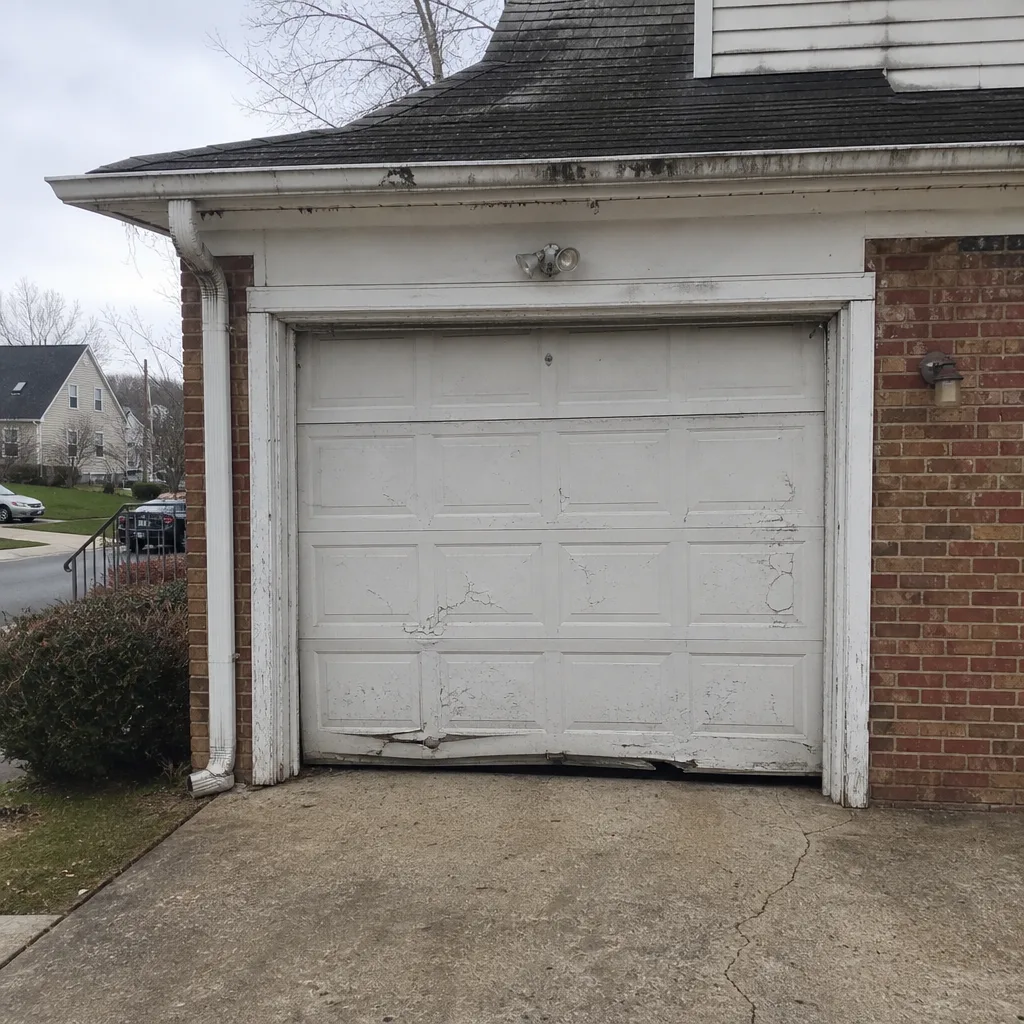 Before
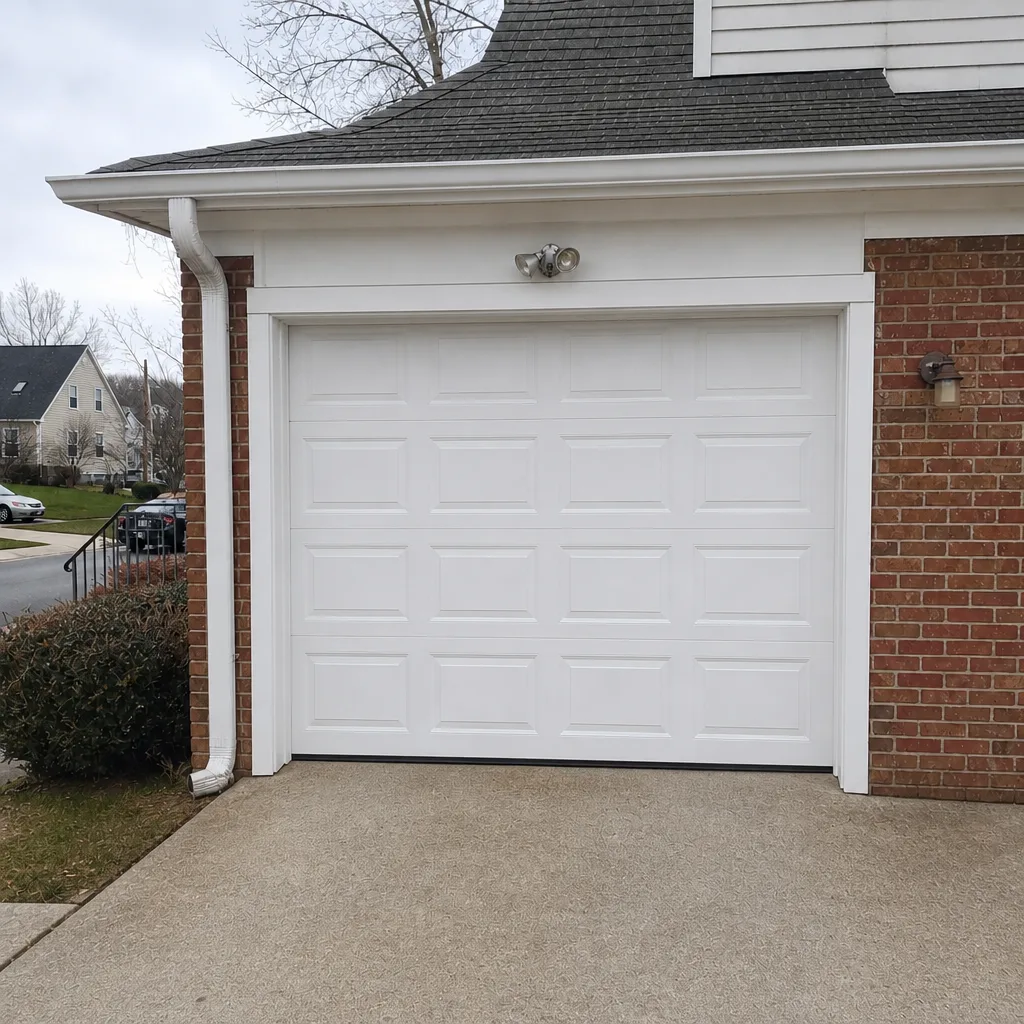 After
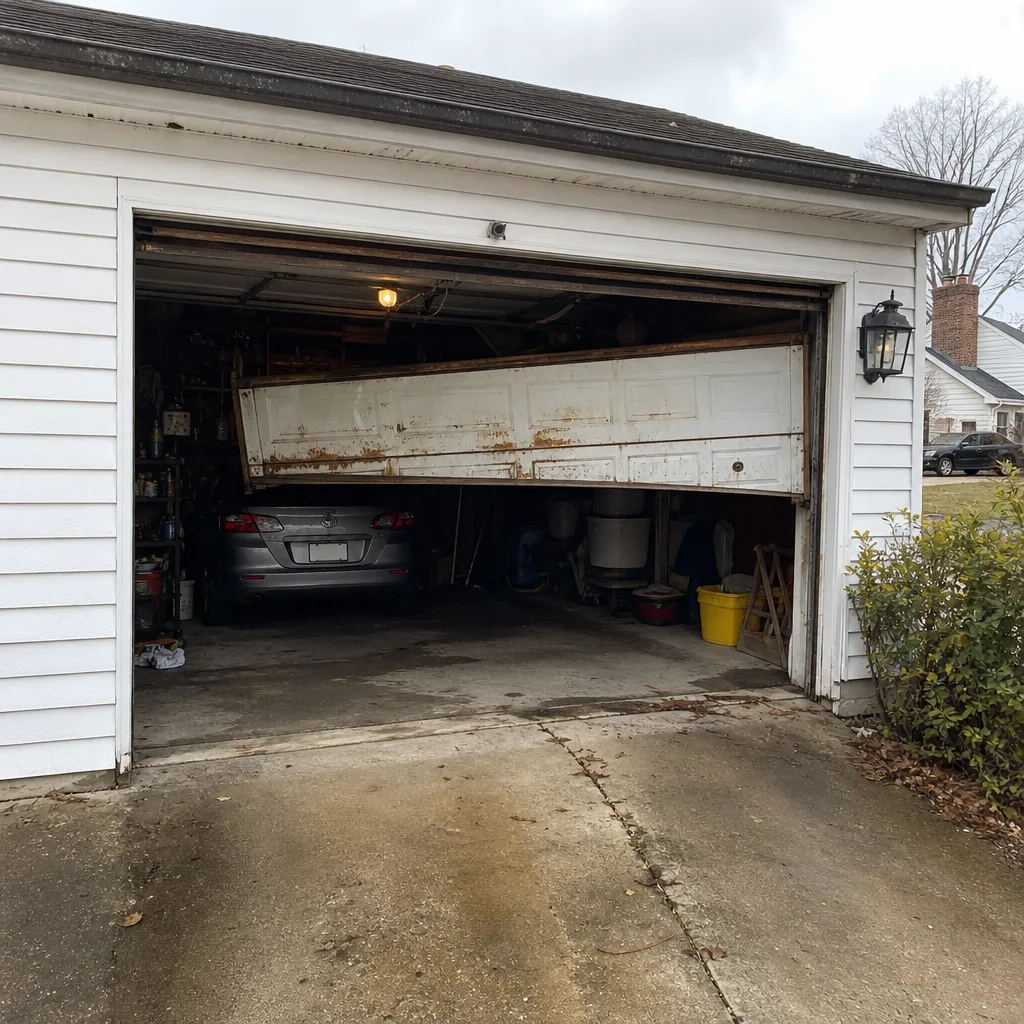 Before
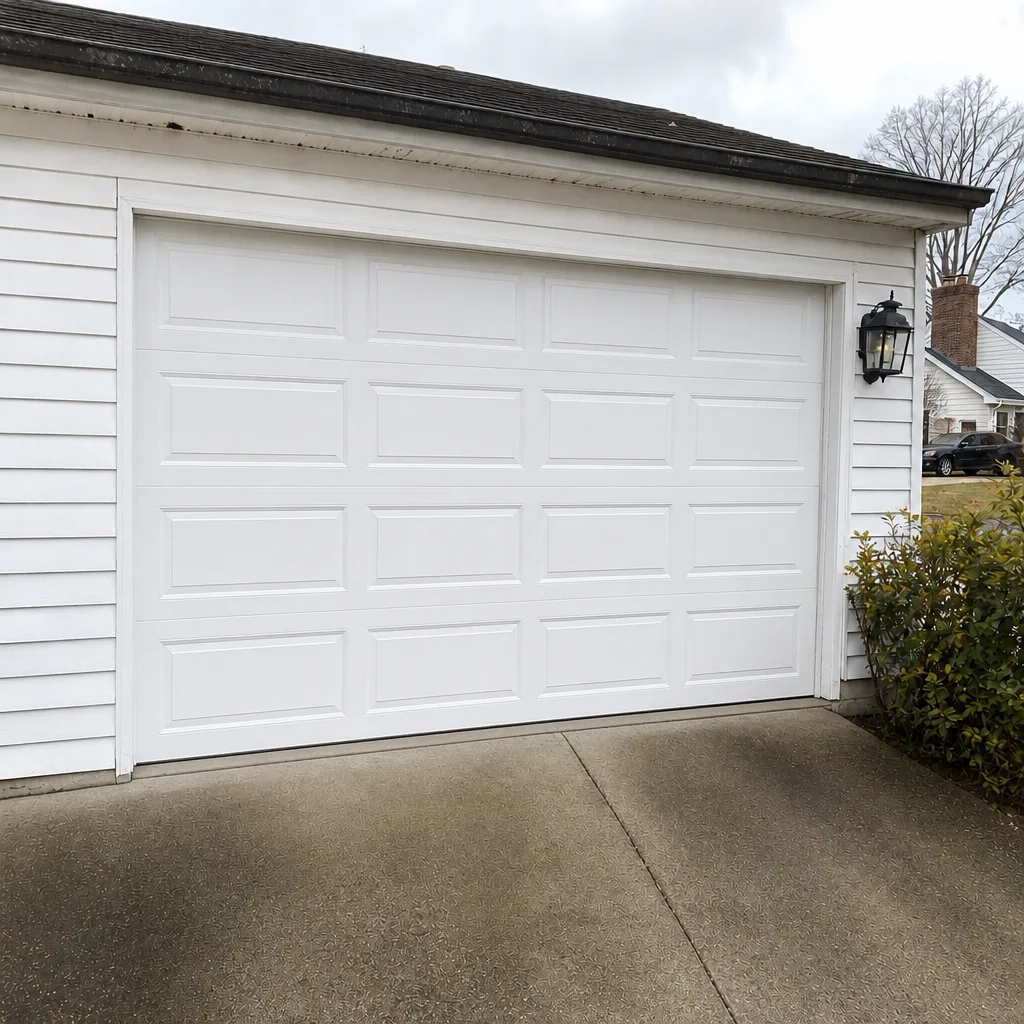 After
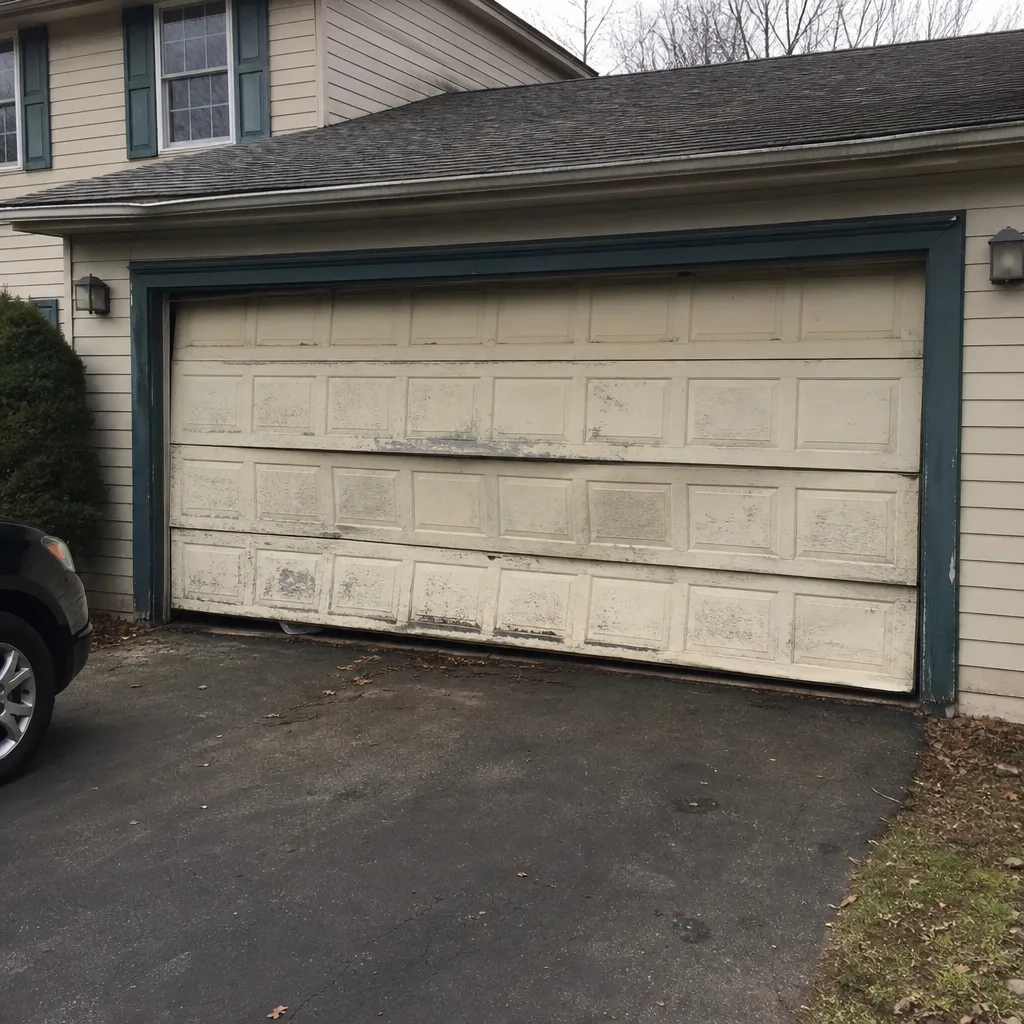 Before
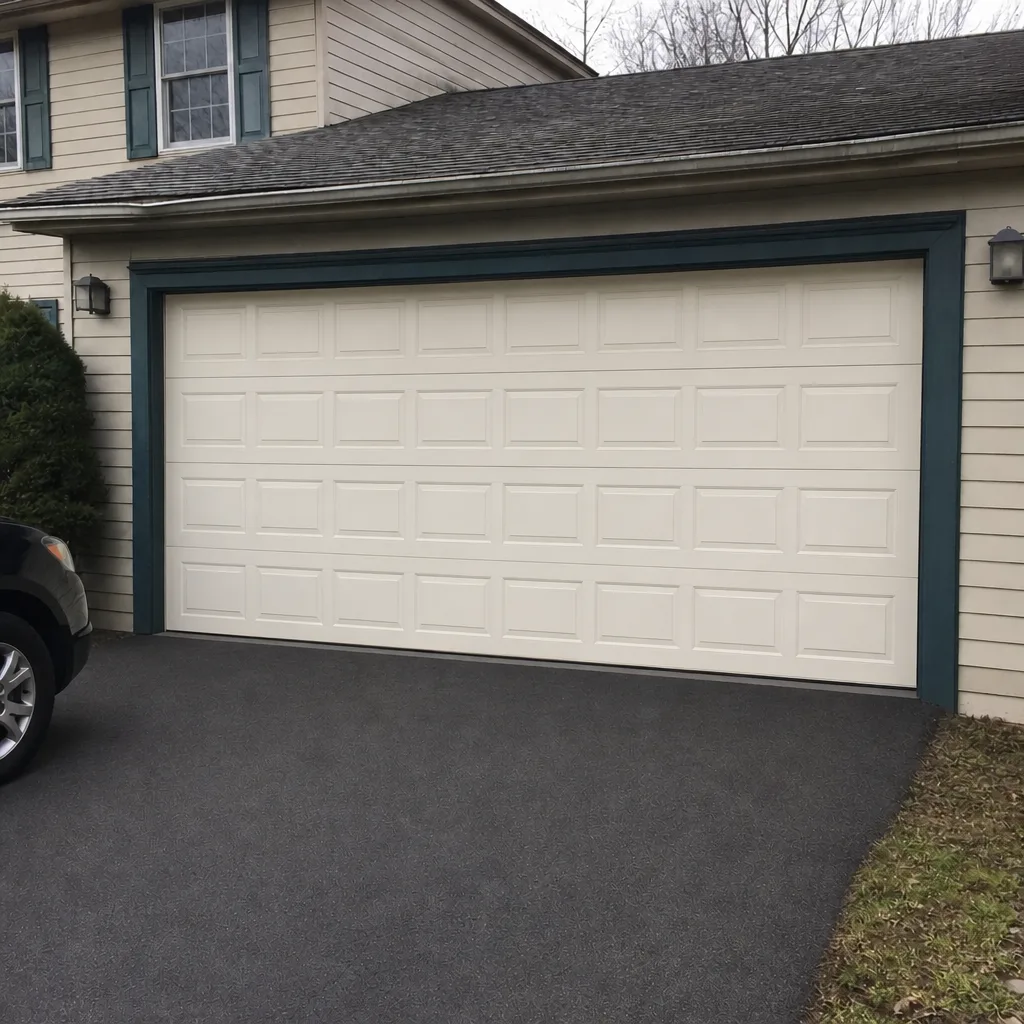 After
Frequently Asked Questions
Twice a year is the baseline, but for a Newark door it’s smarter to think in terms of seasons: a fall tune-up before the first freeze and a spring inspection after the last one. Summer and winter both call for quick checks of the opener, seals, and safety reverse, so a light pass in each season keeps the door ahead of the temperature swings.
Moisture near the bottom seal freezes and bonds the door to the floor when the temperature drops, which is common in Newark’s freeze-thaw winters. Free it gently with warm water and a soft tool, never by running the opener. Once it’s free, check the seal for cracking and keep the bottom edge clear of snow and ice. If it happens repeatedly, the seal or the floor gap needs attention. Call (888) 561-7809 for a free estimate.
Not necessarily. A door that won’t close on a hot day is often a photo-eye alignment problem, especially on south-facing garages where sun glare hits the sensors. Wipe the lenses and check that the sensors face each other squarely. If that doesn’t solve it, the opener or the door balance may need a look. Call (888) 561-7809 for an exact quote.
Yes, mainly in opener adjustments. LiftMaster and Chamberlain share engineering and have force and sensitivity settings that drift with temperature, so test the safety reverse in both cold and hot weather. Genie openers tend to run hot in summer and are sensitive to sensor alignment. Craftsman openers on older doors often need more lubrication and force-setting attention as they age.
Yes. Spring repair is a core specialty, and winter is exactly when stressed springs tend to fail. Emergency garage door service is available, so if the door gives out, call (888) 561-7809. We answer 24/7, with fast dispatch from 7am to 7pm, Sunday through Friday. A call outside dispatch hours is booked into the next opening. The price is set by the written estimate and agreed before any work starts.
Regular seasonal care extends the life of the door and catches problems while they’re small, but it doesn’t replace a door that’s reached the end of its life. If panels are rusted through, the door is out of balance, or repairs are adding up, it may be time to plan a replacement. Installation is measured, ordered, and scheduled, so a free measure early is the smart move. If you’re shopping brands, we work with Clopay, Amarr, Wayne Dalton, and Raynor, among others.
The Bottom Line
Newark’s four-season climate doesn’t let a garage door coast. Each season brings its own failure mode, and each season is the right time to address the one coming next. Fall is the critical window: lubricate the moving parts, check the bottom seal, test the door balance, and have stressed springs looked at before the freeze. Winter is about handling a frozen door gently and watching the opener. Spring is the structured inspection for rust, cables, and safety reverse. Summer is about motor heat and photo-eye drift.
Do those four rounds and you’ll spend far more time driving in and out of your garage than calling for a repair. Miss them, and the January emergency call is usually the one you could have avoided in October. When something looks, sounds, or feels wrong, don’t force it. Springs and cables aren’t a DIY job, and a trained professional is worth the call.
Call (888) 561-7809 for a free estimate in Newark. We answer 24/7, with fast dispatch from 7am to 7pm, Sunday through Friday. Whether it’s a seasonal tune-up, garage door opener repair, or a complete new door, one call covers it. Our technicians have up to 10 years of experience, and we work on eight of the most common residential brands, from LiftMaster and Chamberlain to Clopay, Amarr, Wayne Dalton, Craftsman, Genie, and Raynor.
Written by the team at Newark Garage Door Repair Pros.