
Last updated November 22, 2026
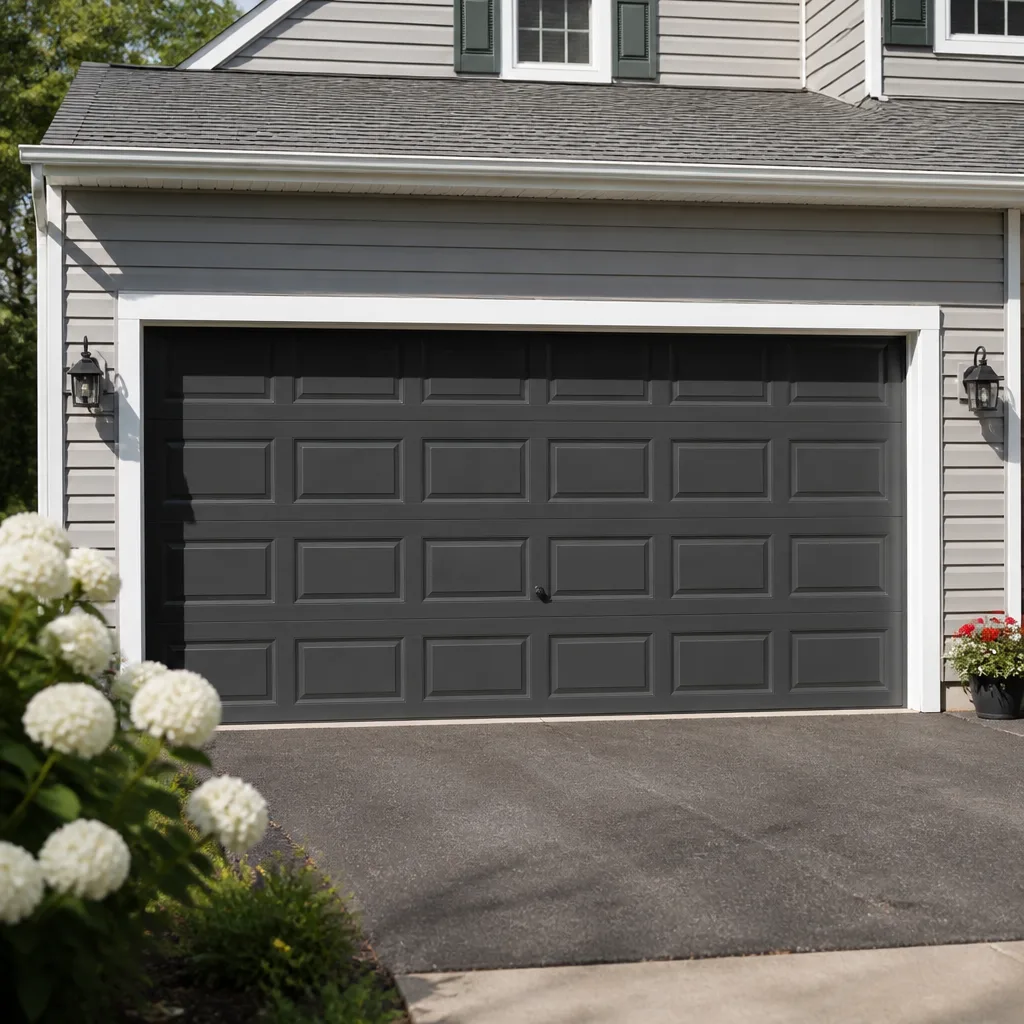 Raised-panel steel
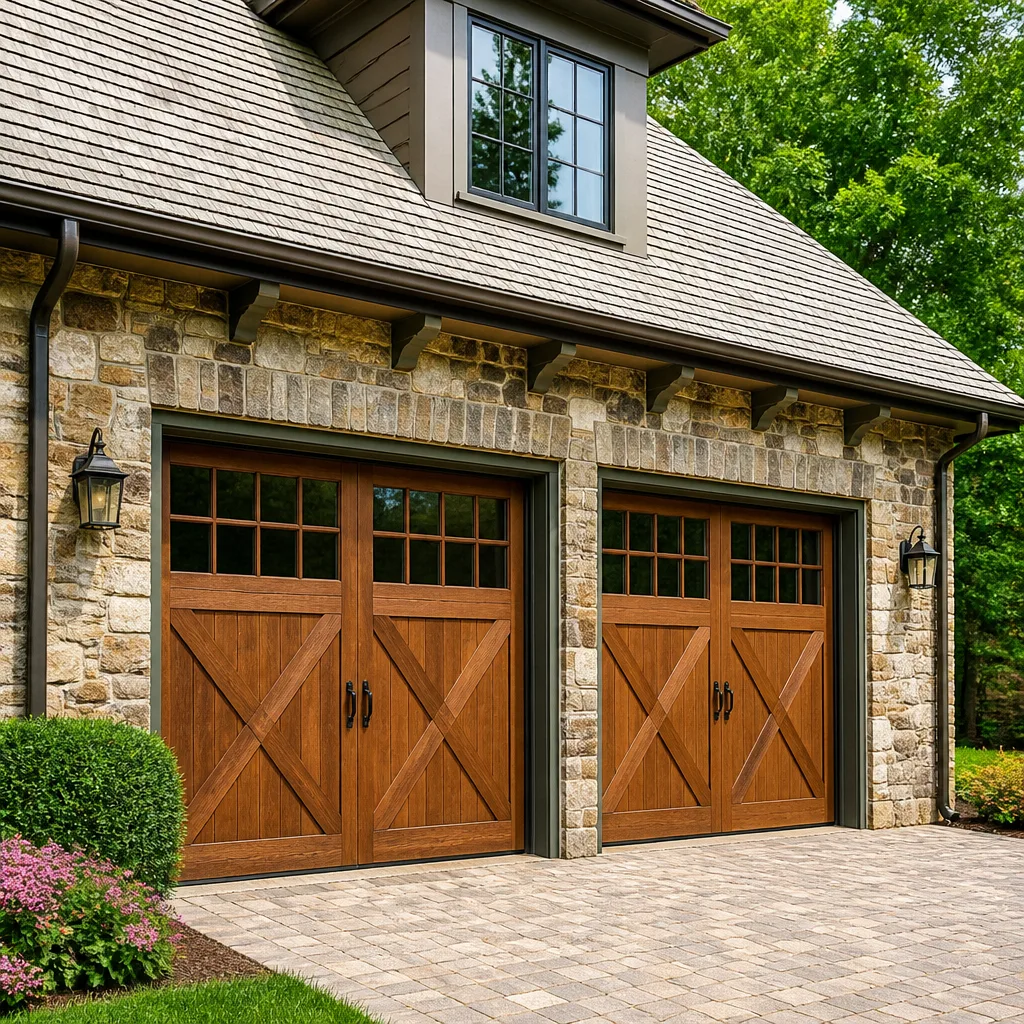 Carriage house
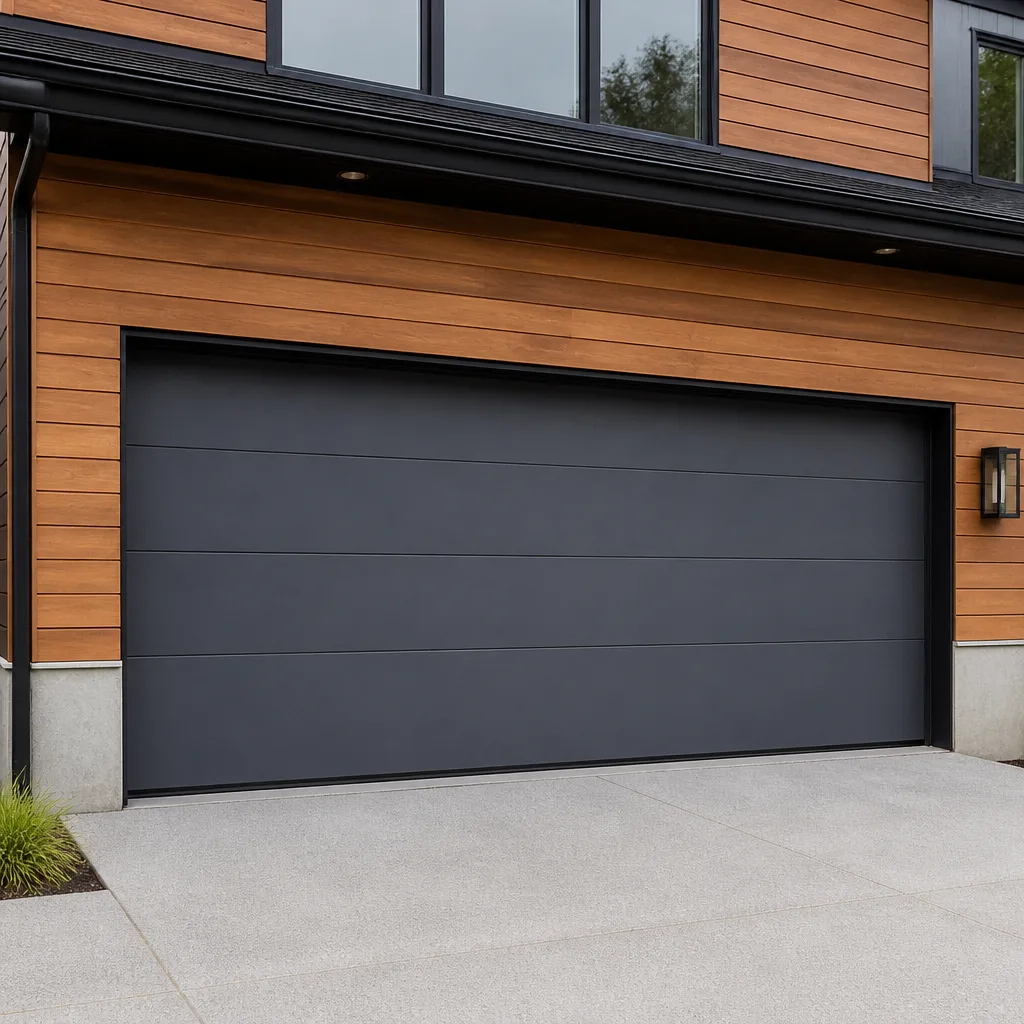 Modern flush
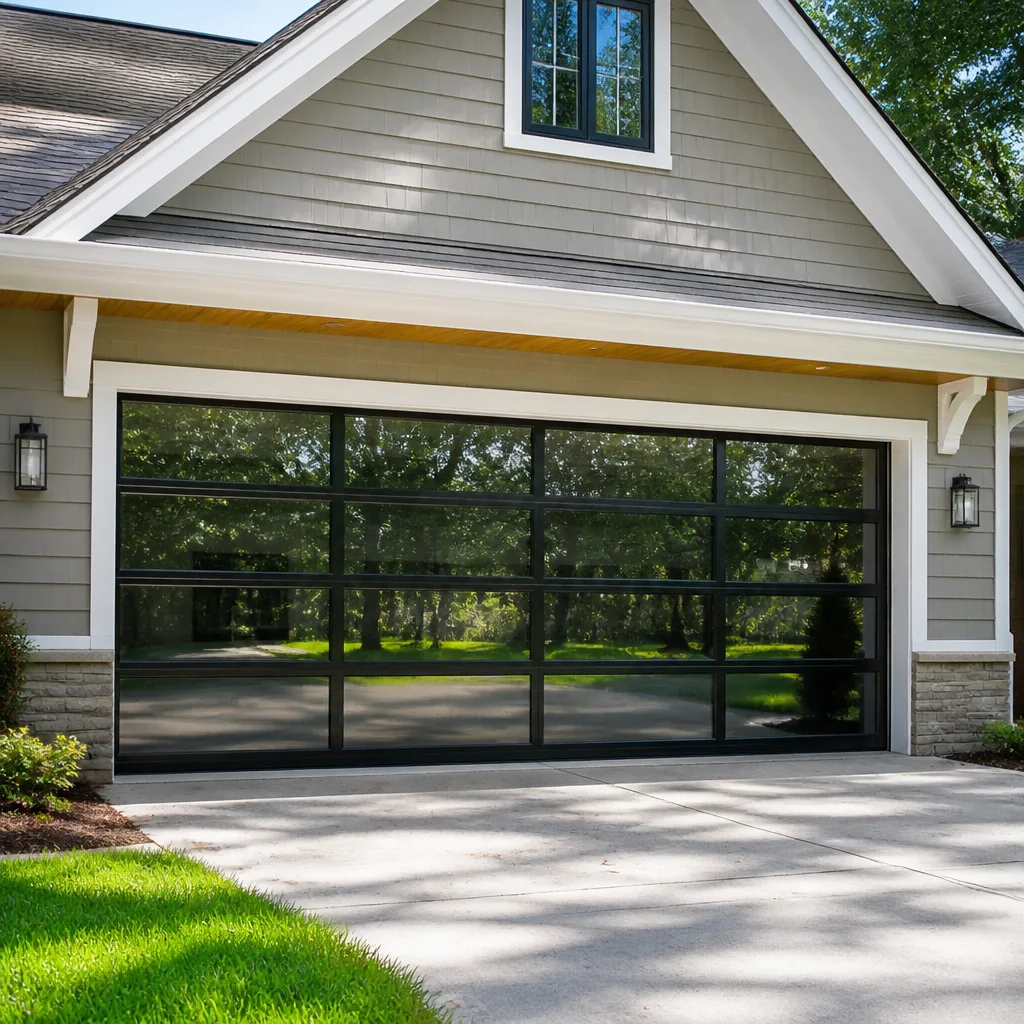 Full-view glass
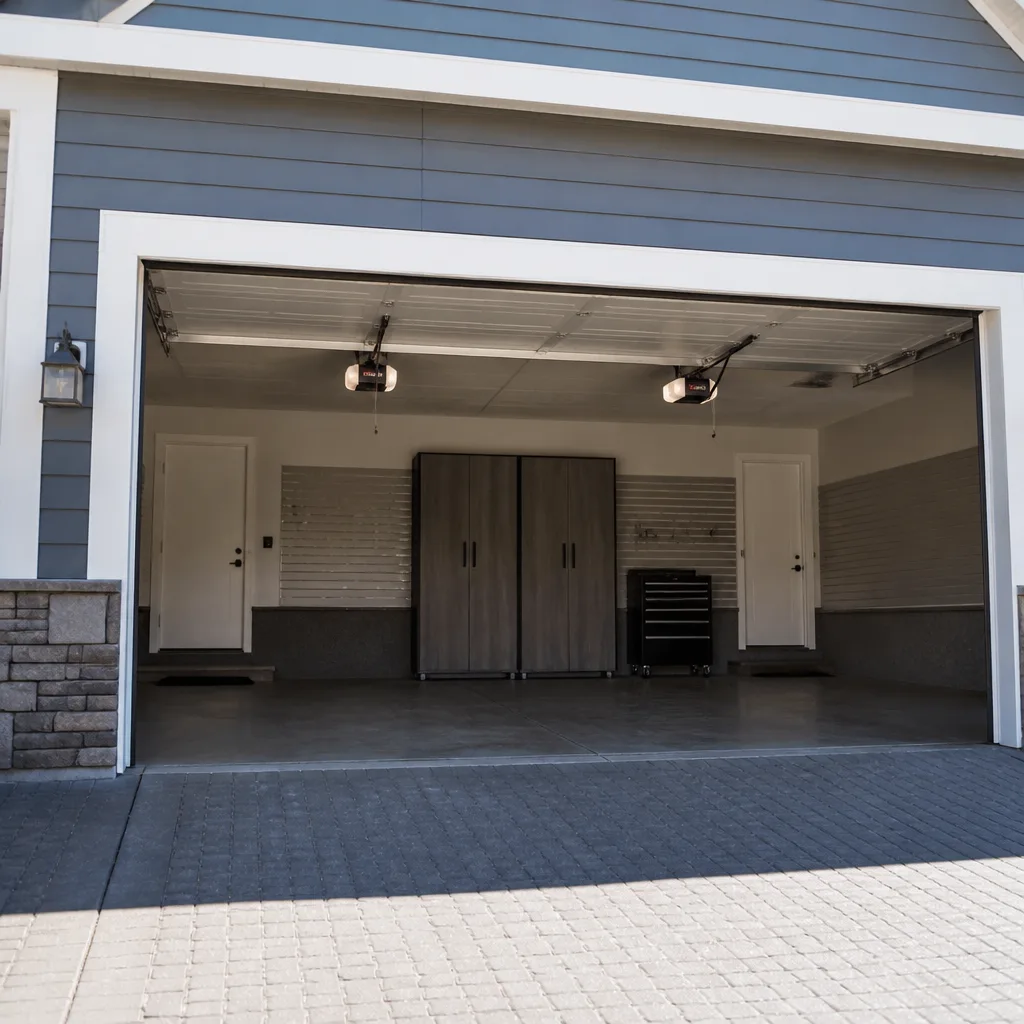 LiftMaster openers
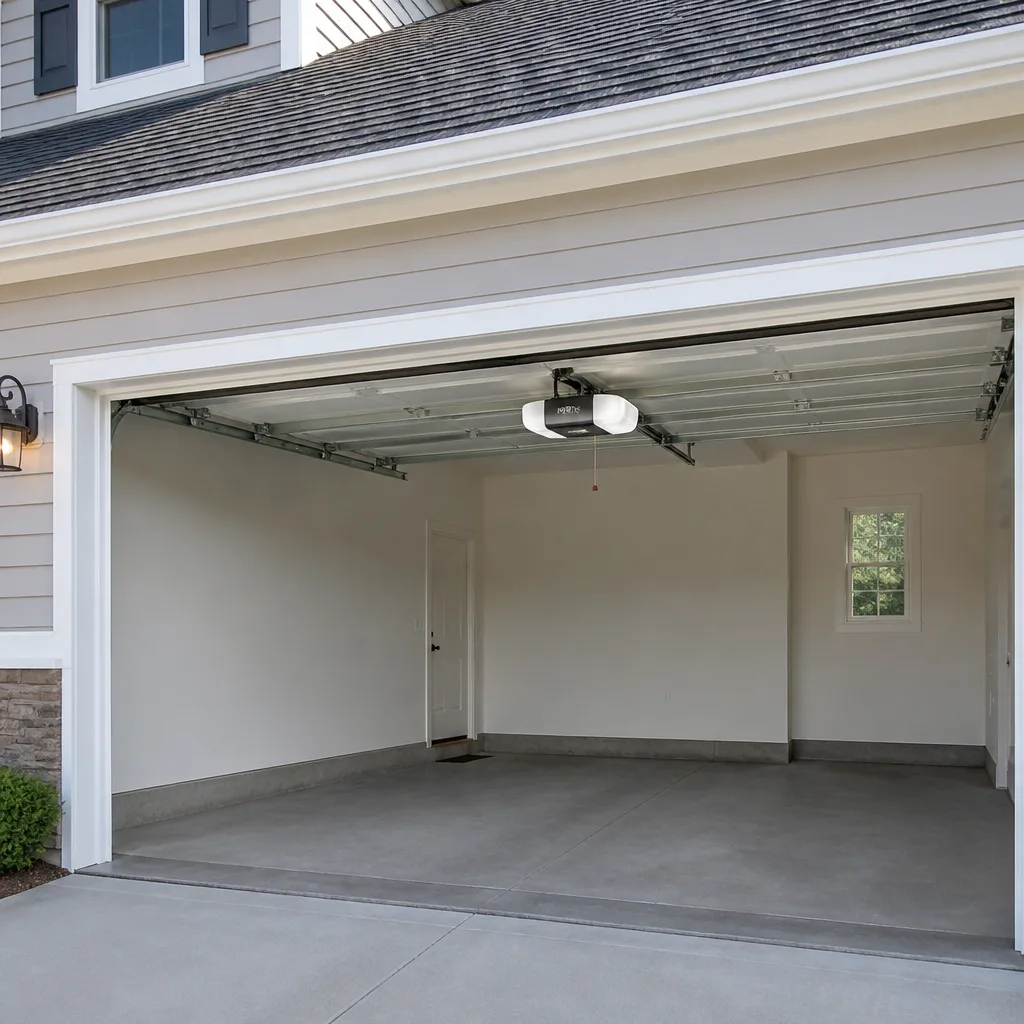 Chamberlain openers
Full 25-point door and opener safety check with every visit - springs, cables, rollers, tracks, and your LiftMaster or Chamberlain opener included
You get a price before we start. It does not change when the pro arrives.
Get your free estimateGarage Door Repair Maintenance Checklist for Newark Homeowners
Ask most homeowners when to check their garage door and you’ll hear “spring and fall,” the advice every manufacturer prints on the box. In Newark, that calendar misses the two months when doors actually fail. February brings the first hard freeze, when steel contracts and opener batteries lose their nerve. August brings the opposite problem: humidity that swells wood panels and heat that pushes operators harder than any other stretch of the year. A checklist built for a mild climate won’t catch either one. This guide is built around Newark’s actual seasons, the eight brands we see most often in local driveways, and the handful of inspections that catch most failures before they strand you.
Styles & brands we work with
- Raised-panel steel
- Carriage house
- Modern flush
- Full-view glass
- LiftMaster openers
- Chamberlain openers
Quick Answer
A good garage door maintenance checklist for Newark should be timed to local weather, not a generic twice-a-year reminder. Check balance, reversal safety, and spring condition monthly, lubricate moving parts in late fall and again in late spring, and inspect wood and hardware after every freeze and every humid stretch. Most failures give warning signs weeks before they happen, and a simple log helps a technician spot the pattern on the first visit.
Table of Contents
- Why Newark’s Weather Sets the Maintenance Calendar
- Month-by-Month Checklist for Newark Homeowners
- Lubrication: What Works in Delaware Humidity and Dry Winters
- How to Test Balance and Reversal Safety
- The One Inspection That Catches Most Spring Failures
- Brand Notes: What to Watch on Common Newark Doors
- What to Log After Every Inspection
- Common Mistakes to Avoid
- When to Call a Professional
Why Newark’s Weather Sets the Maintenance Calendar
Newark sits in a pocket of northern Delaware where the seasons don’t ease in gently. A garage door is a large moving assembly of steel, wood, plastic, and rubber, and each of those materials responds to temperature and moisture differently. Steel tracks and springs tighten in cold and loosen in heat. Wood panels swell through humid summers and shrink back in dry winter air. Rubber seals harden and crack when the temperature swings. The result is that a door tuned perfectly in October will be out of adjustment by February.
That’s why a Newark homeowner needs a maintenance rhythm tied to local conditions rather than a single annual tune-up. The stresses stack up in a predictable order:
- Winter cold: metal contracts, springs lose some tension, opener batteries weaken, and any lubricant that wasn’t rated for low temperatures thickens and drags.
- Spring thaw and pollen season: moisture works into wood and joints, and fine grit blown in on spring wind settles into tracks and rollers.
- Summer humidity: wood panels swell, painted surfaces can blister where moisture gets behind them, and operators run hotter in a closed, unventilated garage.
- Fall storms: wind-driven debris collects along the bottom seal and in the track channels, and the first cold snap after a warm fall is often when a fatigued spring finally lets go.
Most of Newark’s housing stock sits in neighborhoods where doors have been opening and closing for many years, and the older the door, the more these seasonal stresses matter. A monthly five-minute walk-around, timed to the seasons above, will catch most problems early. That’s the core of what we cover below, and it’s the difference between a door that lasts and one that surprises you at the worst moment.
Month-by-Month Checklist for Newark Homeowners
Here’s the maintenance rhythm we recommend, tied to what’s actually happening to your door each month. Not every task takes long, and several can be done in a single pass around the door.
- January: Test the opener’s safety reversal (more on that below). Listen for any new grinding or popping. Cold is when tired springs and worn rollers announce themselves.
- February: This is the failure month. Check the balance test, inspect springs visually, and replace opener remote and keypad batteries before they fail in the cold. Reapply a cold-rated lubricant to hinges, rollers, and the spring if it’s a torsion setup.
- March: After the last hard freeze, walk the full perimeter. Look for popped screws in the hinges, cracks in the bottom seal, and any track that has shifted. Clear pollen and grit from the track channels.
- April: Inspect wood panels for swelling or paint blistering as humidity climbs. Wipe down and re-lubricate the moving parts after clearing debris.
- May: Check that the door closes flush against the floor seal. Gaps here let in water and pests. Test the reversal again once the weather has settled.
- June and July: Listen for the opener straining. Heat makes the motor work harder, and a door that’s slightly out of balance gets worse in summer. Balance-test monthly.
- August: The second failure month. Humidity peaks, wood swells, and operators overheat. Check the opener housing for excess warmth after use, and confirm the door isn’t dragging on the frame.
- September and October: Clear storm debris from tracks and the bottom seal. This is the best window for a full lubrication pass before cold sets in.
- November: Re-test balance and reversal. Tighten any hardware that loosened over the summer. Inspect the springs one more time before the freeze.
- December: Repeat the February prep: batteries, lubricant, and a quick balance check before the coldest stretch.
If you only manage four of those twelve months, pick February, May, August, and November. They line up with the two failure months and the two best windows for a full tune-up. For a deeper look at what a professional tune-up covers, see our garage door repair page.
Lubrication: What Works in Delaware Humidity and Dry Winters
The wrong lubricant is worse than none. A product that works beautifully in a dry climate can turn gummy in a humid Delaware summer, and one that flows well in July can stiffen into paste when February temperatures drop. The goal is a lubricant that stays put without attracting grit, and that keeps its consistency across the full temperature range Newark throws at it.
Here’s what to use where:
- Hinges, rollers, and the torsion spring: a silicone-based or white lithium spray lubricant rated for the cold. These stay flexible in winter and don’t collect dust the way heavy grease does.
- Track channels: a very light wipe-down with a silicone spray on a cloth. Do not grease the track itself; heavy grease traps grit in humid months and grinds the rollers.
- Wood panels: a moisture-resistant finish or exterior-grade paint, reapplied when you see blistering or swelling. This matters most in July and August.
- Bottom seal and weatherstripping: a thin coat of silicone on the seal keeps it from sticking to the floor in summer and cracking in winter.
In high-humidity summers, the enemy is grit binding to lubricant. In dry winters, it’s lubricant thickening and dragging on the moving parts. The compromise is to lubricate lightly and often, rather than heavily and rarely. A light spray in late fall and again in late spring covers both extremes better than one heavy application. Avoid WD-40 as a long-term lubricant on moving parts; it’s a solvent first and displaces the oils you actually want in place. Keep the can for loosening a stuck bolt, and use a proper lubricant for the moving parts.
If your opener is the weak link rather than the door itself, the diagnostic approach matters as much as the lubricant. Our garage door opener repair page covers how different brands respond to seasonal strain.
How to Test Balance and Reversal Safety
Two tests should be part of every month’s check. They’re quick, they’re safe to do without tools, and they catch most of the problems that lead to a door that won’t open or one that closes on something that shouldn’t be there.
The balance test
- Disconnect the opener using the manual release cord (usually a red handle hanging from the carriage).
- Lift the door to about waist height by hand, then let go.
- A well-balanced door stays where you leave it, or drifts only slightly. If it slams down or drifts open, the springs are out of balance and need attention.
If the door won’t stay put, stop using the opener until a technician checks the springs. Running an unbalanced door puts extra strain on the opener motor and the door’s moving parts, and it’s often the first sign of a spring losing tension.
The reversal safety test
- With the door open, place a roll of paper towels or a block of wood flat on the floor in the door’s path.
- Close the door using the opener or remote.
- The door should reverse when it contacts the object. If it doesn’t, the opener needs adjustment before you use it again.
Reversal systems vary by brand. Craftsman, LiftMaster, and Chamberlain openers typically have adjustment dials on the motor housing; Genie and Wayne Dalton units often have a different layout. The principle is the same across all of them: the door must reverse on contact. Don’t ignore a failure here; a reversed-down door that doesn’t re-open is a hazard, and the fix is usually a simple adjustment a trained technician can make quickly.
If either test fails and the cause isn’t obvious, don’t force the issue. Call us at (888) 561-7809. We answer 24/7, with fast dispatch from 7am to 7pm, Sunday through Friday.
The One Inspection That Catches Most Spring Failures
Springs are the part of a garage door that fail most often and fail most dangerously. They’re under enormous tension, and when they break, they can snap with force. The good news is that most spring failures give visible warning signs weeks ahead. One careful visual inspection from the ground, done monthly, catches the majority of them.
What to look for: stand back from the door and look at the springs mounted above it. On a torsion system (springs wound around a horizontal shaft above the door), look for a visible gap between the coils, or coils that no longer sit evenly. On an extension system (springs running along the horizontal tracks at the sides), look for a spring that has stretched, lost its shape, or developed a visible gap where a coil has snapped. Either way, a break or a gap that wasn’t there last month is the signal to stop using the door and call a professional.
What not to do: never try to adjust, unwind, or remove a spring yourself. The stored energy in a garage door spring is enough to cause serious injury, and the job requires specialized winding bars and training. This is one of the few maintenance tasks we strongly recommend leaving entirely to a trained professional. Our garage door spring repair service exists precisely because springs are a safety-critical component many generalists avoid.
Beyond the springs themselves, check the cables and the mounting brackets at the top of the door. A frayed cable or a bracket that has pulled away from the wall are both signs that a spring failure or a door failure is closer than it looks. These checks take two minutes from the ground and are the single best thing you can do each month to avoid a door that won’t open when you need it most.
Brand Notes: What to Watch on Common Newark Doors
Most Newark garage doors carry one of a handful of brand names, and each has a few quirks worth knowing when you’re inspecting. We work on eight of the most widely installed residential brands, including Clopay, Amarr, Wayne Dalton, and Craftsman. Here’s what we watch for on the brands we see most often.
- Clopay: often wood or composite panels that are sensitive to humidity swings. Watch for swelling and paint blistering through July and August, and re-seal the bottom edge where moisture collects.
- Amarr: steel doors with a paint finish that can flake at the panel edges after repeated freeze-thaw cycles. Look along the bottom rail and the panel seams each winter.
- Wayne Dalton: some models use a unique torsion system and lighter-gauge hardware. Check the hinges and rollers more often for wear, and note the model before any repair visit; parts vary by series.
- Craftsman: popular opener brand. The safety reversal dials and the manual release are worth learning now so you can test them confidently. Battery life in the remote and keypad can shorten in cold months.
Knowing your door’s brand and model makes every future repair faster and more accurate. It’s also the first thing a technician will want to know. Our team is fluent in LiftMaster, Chamberlain, Genie, Clopay, Amarr, Wayne Dalton, Craftsman, and Raynor, so there’s no guesswork and no second call to a specialist. Write the brand and model number on the inside of the door frame or in your maintenance log (we cover that below) so you always have it to hand.
What to Log After Every Inspection
The single most useful thing you can do for your door is keep a simple log. When a technician visits, a record of what you’ve noticed and when turns a mystery into a diagnosis. It’s also how you catch a slow-developing problem before it becomes a breakdown. Here’s what to record after each inspection:
- Date and month: note when you checked, since the season tells a technician a lot about what was happening to the door.
- Balance test result: did the door stay put at waist height, drift down, or drift up?
- Reversal test result: did it reverse on contact, yes or no?
- Any sounds: grinding, popping, squeaking, or banging, and roughly where it came from.
- Visual notes: gaps in springs, frayed cables, loose hardware, paint or seal condition.
- Repairs or adjustments: anything you did, and when.
- Opener behavior: any change in speed, responsiveness, or how the remote performs.
After a few months, a pattern usually emerges. Maybe the door has needed a balance adjustment three months running, which points to a spring that needs replacement rather than another tweak. Maybe the opener has slowed every August, which points to a motor nearing the end of its service life. A technician reading that log on the first visit can often go straight to the likely cause instead of working through every possibility. That saves time on the visit and gets you back to a working door faster. If you’d like a professional inspection to start your log, consider scheduling a visit with Newark Garage Door Repair Pros.
Common Mistakes to Avoid
- Following a generic spring-and-fall calendar. The most common mistake is trusting a twice-a-year schedule that ignores Newark’s February freeze and August humidity. Both months stress a door harder than the mild seasons the standard advice was written for, so a winter and summer check matters more than the calendar months it replaces.
- Greasing the tracks. Heavy grease feels protective, but in Delaware’s humid summers it traps grit and grinds the rollers. Use a light silicone wipe on a cloth, not a grease gun.
- Ignoring a door that reverses on its own or fails the reversal test. A door that doesn’t reverse on contact is a hazard, not a minor annoyance. Fix the opener setting before the door is used again.
- Trying to adjust or replace a spring yourself. Springs are under extreme tension and cause serious injuries every year when homeowners attempt the job. Treat a broken or out-of-balance spring as a professional-only repair.
- Skipping the balance test because “it still opens.” A door that opens doesn’t mean it’s balanced. Running an out-of-balance door wears the opener and the springs faster and brings a failure closer.
- Believing a door that opens smoothly won’t fail. Spring failures often give no dramatic warning beyond the visual signs in the spring inspection. Skip that monthly look and you may only find out when the door won’t move.
- Forgetting the batteries. Remotes and keypads lose power faster in cold, and a dead battery in February can leave you locked out when you least expect it. Change them proactively each fall.
When to Call a Professional
Some maintenance belongs in your hands, and some belongs with a trained technician. Call a professional if the balance test fails and the door won’t stay put; if you see a visible gap in a spring or a frayed cable; if the reversal test fails and adjustment doesn’t fix it; if the door is making a loud bang, popping, or grinding that wasn’t there before; or if the opener strains or stops partway. Any of these points to a safety-critical part that isn’t safe to handle yourself.
Newark Garage Door Repair Pros offers free estimates in Newark, and our technicians have up to 10 years of experience across the eight brands we service. Whether you need a spring replaced, an opener diagnosed, or a full new-door installation, we keep it to one call. Call (888) 561-7809. We answer 24/7, with fast dispatch from 7am to 7pm, Sunday through Friday.
Frequently Asked Questions
Check the balance and reversal tests once a month, and look at the springs from the ground every time. Do a full lubrication pass in late fall and late spring, and inspect wood panels and hardware after every freeze and every humid stretch. If a task only gets done a few times a year, prioritize February, May, August, and November.
February and August are the two months a garage door is most likely to fail. February brings contracted steel, weakened opener batteries, and tired springs, while August brings humidity that swells wood and heat that strains the opener motor. The best time for a full tune-up is just before each one.
Yes. Place a roll of paper towels flat on the floor in the door’s path and close the door. It should reverse on contact. If it doesn’t, call a professional before using the door again. The tests differ slightly by opener brand, but the principle is the same across Craftsman, LiftMaster, Genie, and Chamberlain units.
No. Garage door springs are under extreme tension and can cause serious injury if handled without specialized tools and training. A broken or visibly gapped spring is a professional-only repair. Call a technician, and keep the door closed and the opener disconnected until it’s fixed.
We work on eight of the most widely installed residential brands: LiftMaster, Chamberlain, Genie, Clopay, Amarr, Wayne Dalton, Craftsman, and Raynor. Knowing the brand and model ahead of the visit helps a technician arrive with the right parts and settings in mind.
Yes. Emergency garage door service is a core offering, for when a door fails and can’t wait. We answer 24/7, and crews are dispatched Sunday through Friday from 7am to 7pm. If you call outside those dispatch hours, the visit is booked into the next opening, Sunday through Friday, 7am to 7pm. We’re closed Saturday, so a door that fails then is scheduled for Sunday. For repairs and tune-ups, a free estimate comes first and the written price sets the work. Call (888) 561-7809.
The Bottom Line
A garage door maintenance checklist only earns its keep if it’s timed to your door’s real stresses, not a generic twice-a-year reminder. For Newark homeowners, that means February, May, August, and November as the anchor months; monthly balance and reversal tests; a look at the springs on every pass; and a simple log so a technician can spot the pattern immediately. Keep the moving parts lubricated for humid summers and dry winters, avoid greasing the tracks, and treat any spring issue as a professional job. Do that, and most failures will announce themselves well before they strand you.
Ready to put this checklist to work, or want a professional inspection to start your log? Call (888) 561-7809 for a free estimate. We answer 24/7, with fast dispatch from 7am to 7pm, Sunday through Friday.
Written by the team at Newark Garage Door Repair Pros.
See the difference
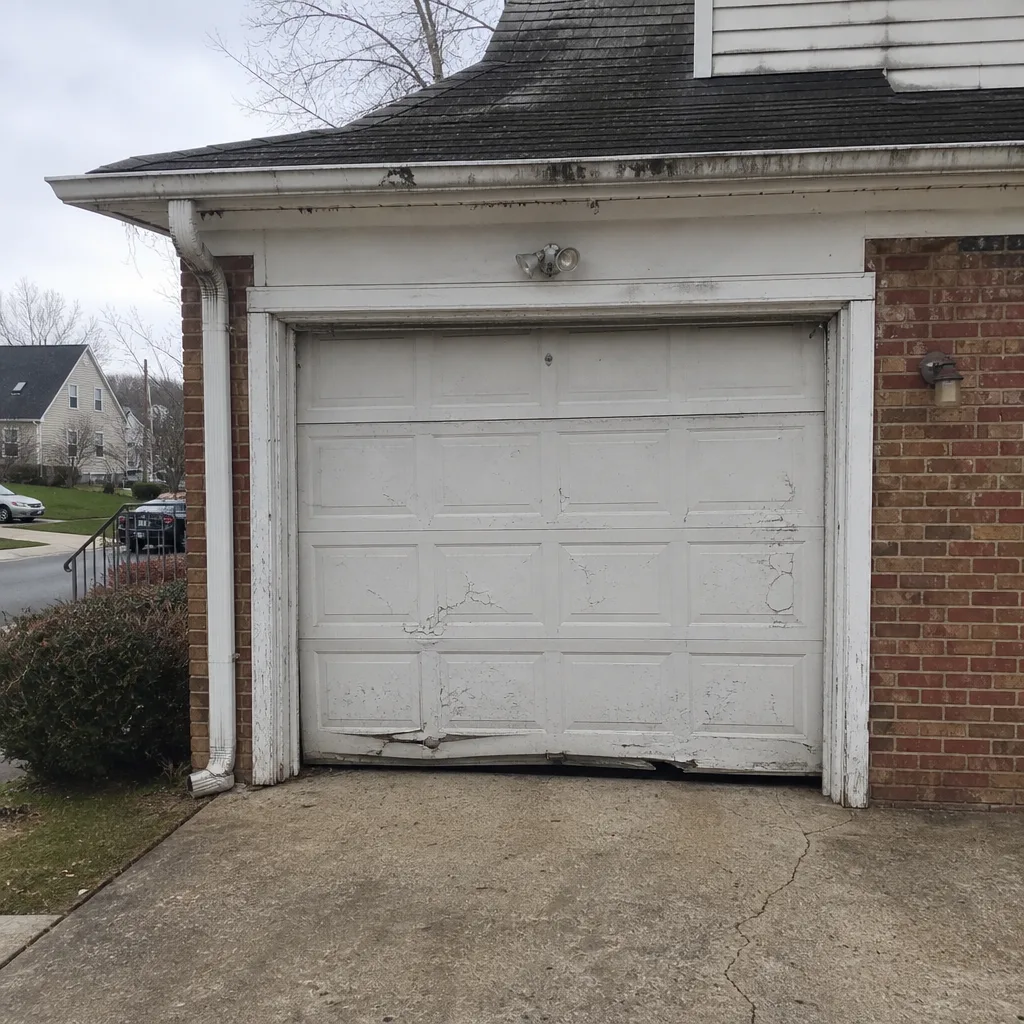 Before
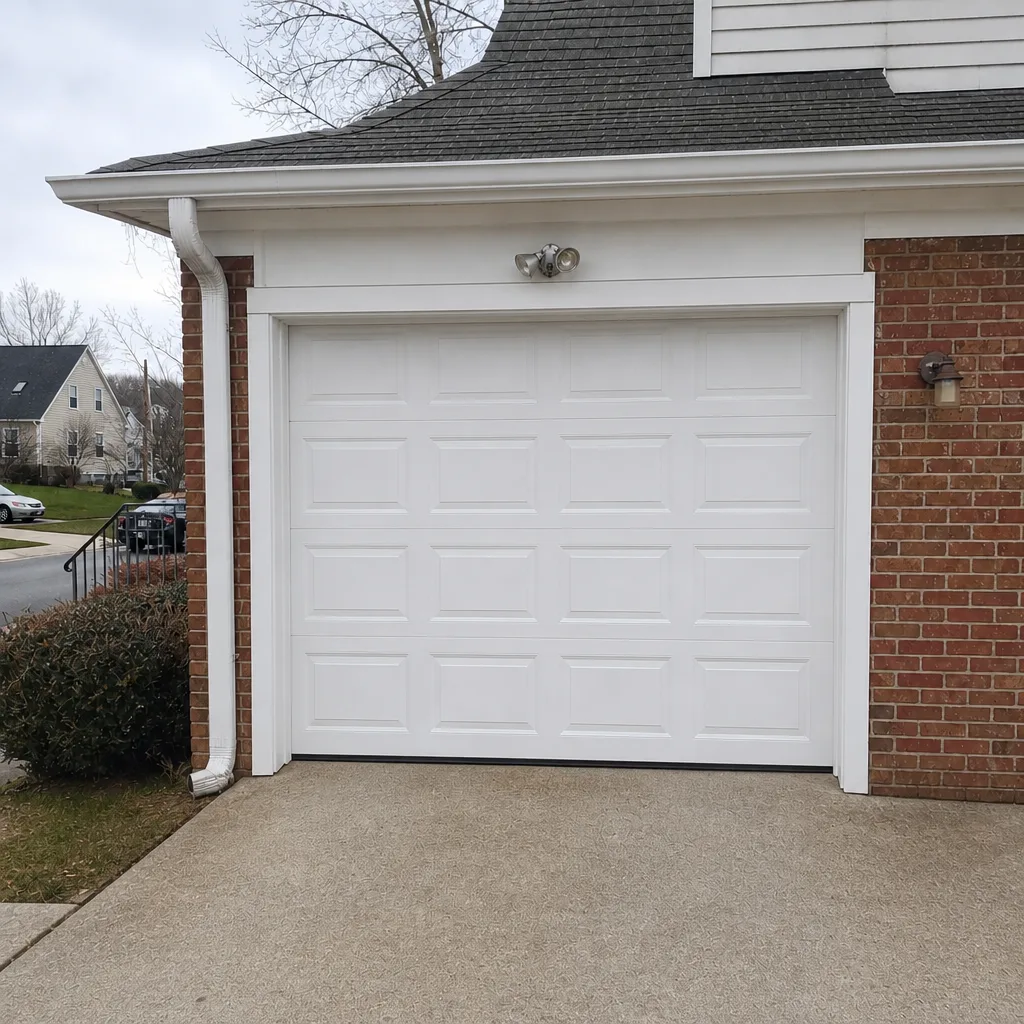 After
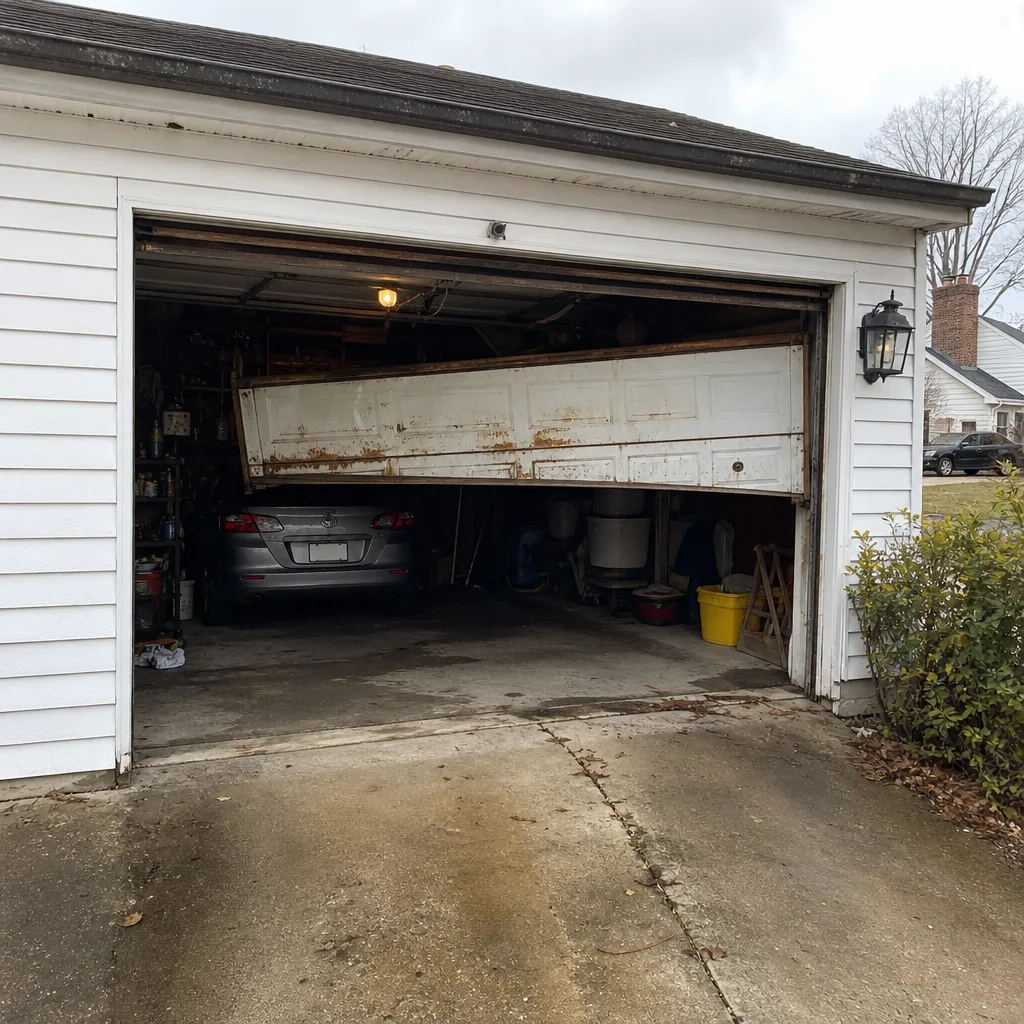 Before
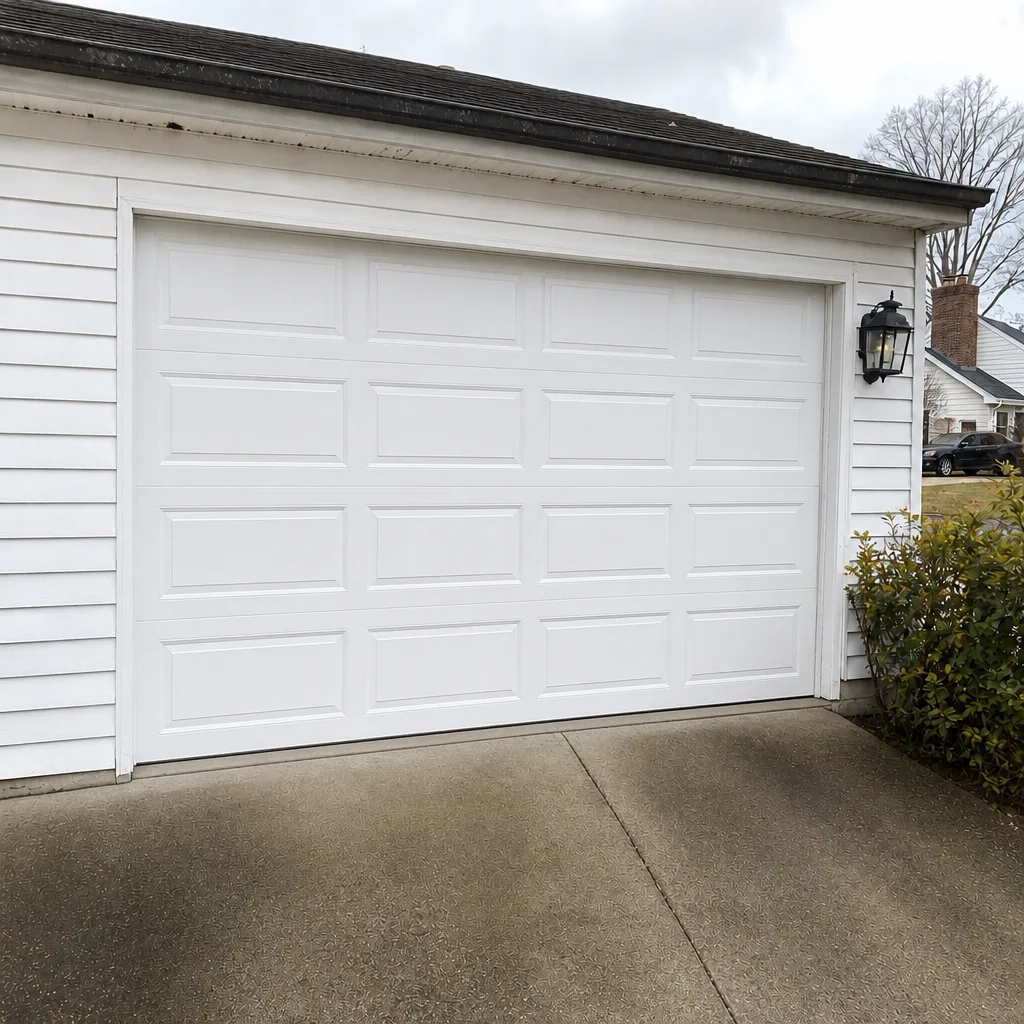 After
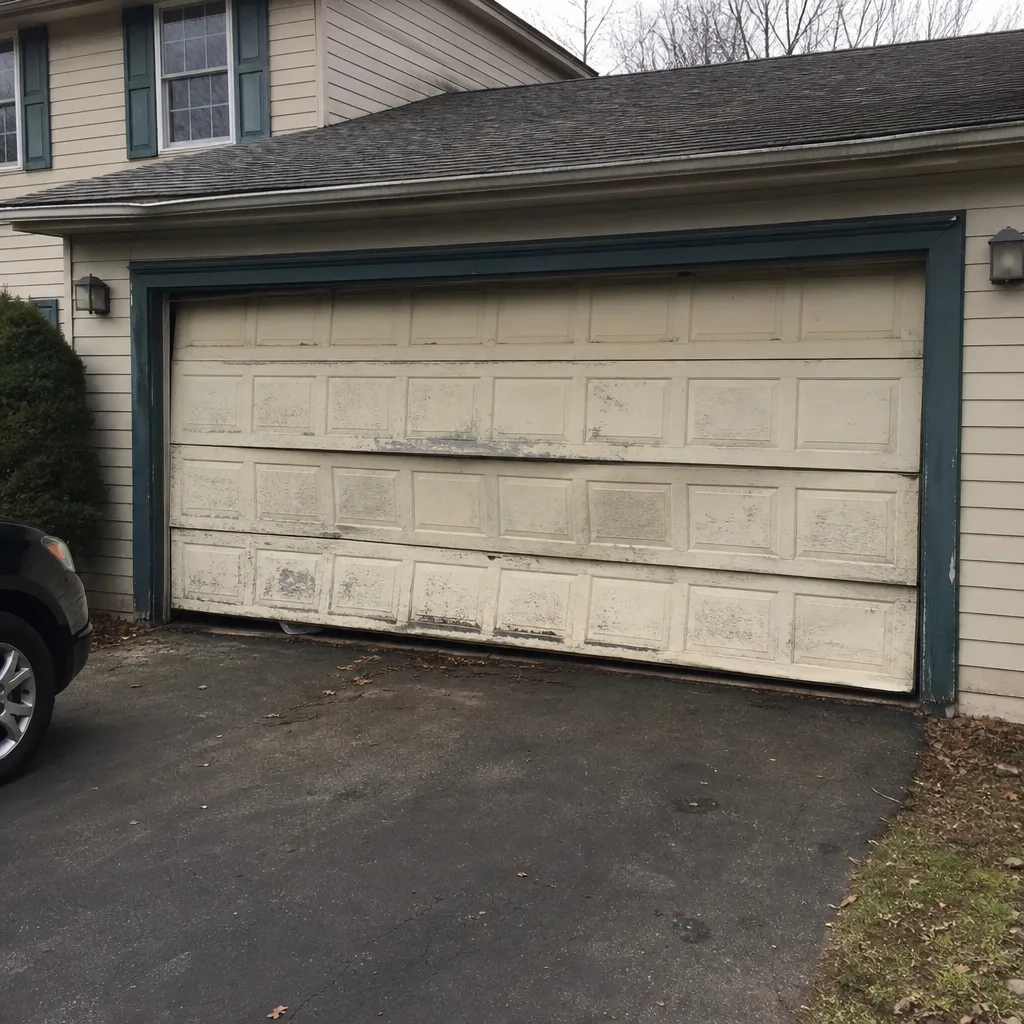 Before
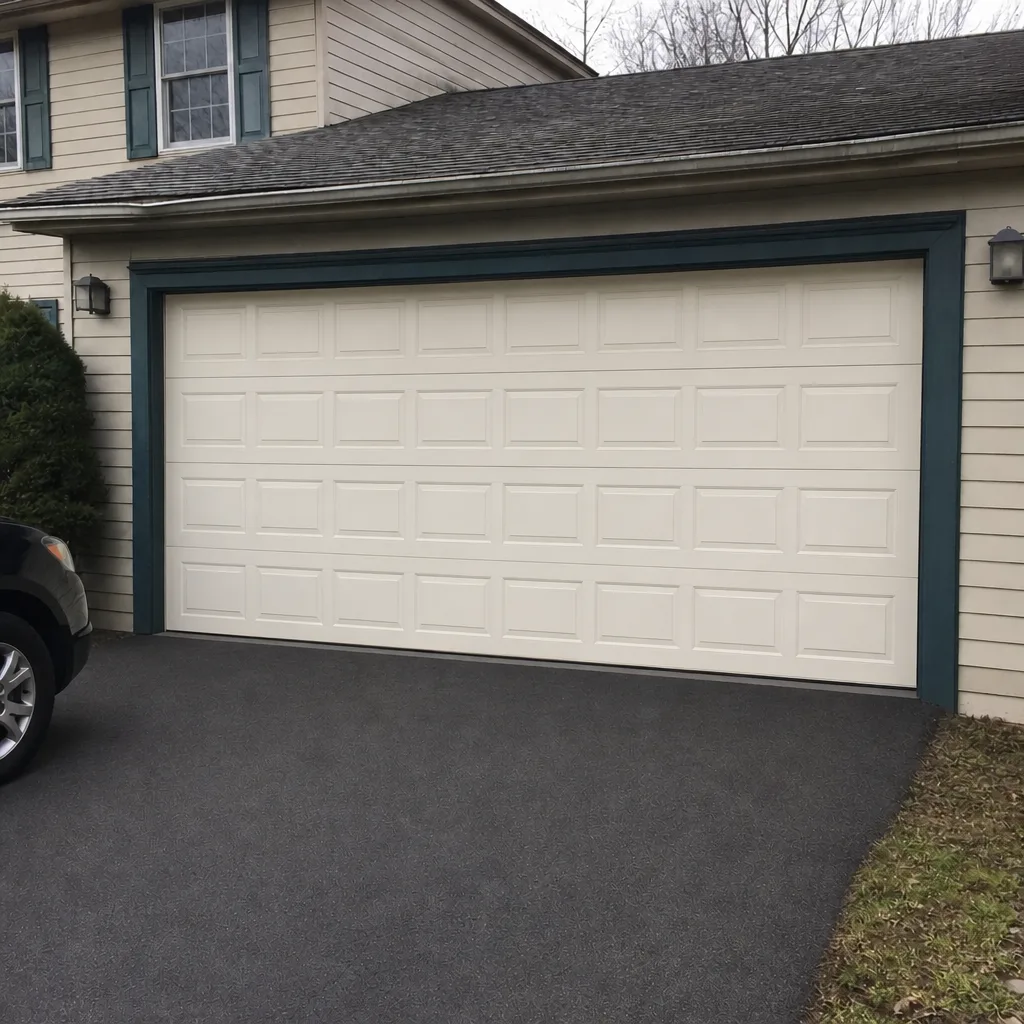 After